2026 Met Gala: Decoding 5 Key Fashion for Red Carpet Style
Advertisements
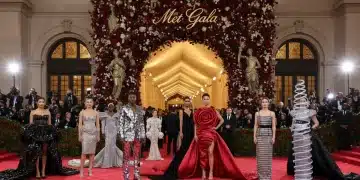
The 2026 Met Gala is officially set for May 4, 2026, with the theme “Costume Art” and dress code “Fashion Is Art,” pointing to a red carpet shaped by sculptural silhouettes, gallery-worthy construction, and fashion treated as visual art rather than simple occasionwear.
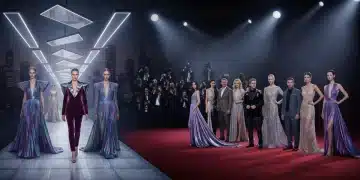
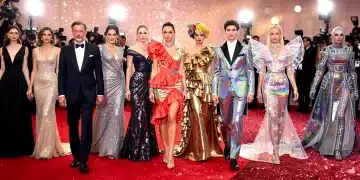
Based on the announced dress code and current 2026 fashion coverage, the five trends readers should watch are art-inspired couture, historical and portrait-style references, lingerie and sheer layering, soft romantic color stories, and statement texture/finish. These directions are already visible in recent runway and red-carpet reporting from Vogue and Elle, which makes them more than speculation.
What to monitor next is how celebrities and major houses translate “Fashion Is Art” into looks that feel both theatrical and wearable. Between now and May 4, the most useful signals will come from spring 2026 runway styling, archival fashion pullbacks, and museum-inspired dressing tied to the Met’s upcoming exhibition.
The Return of Opulent Maximalism and Dramatic Silhouettes
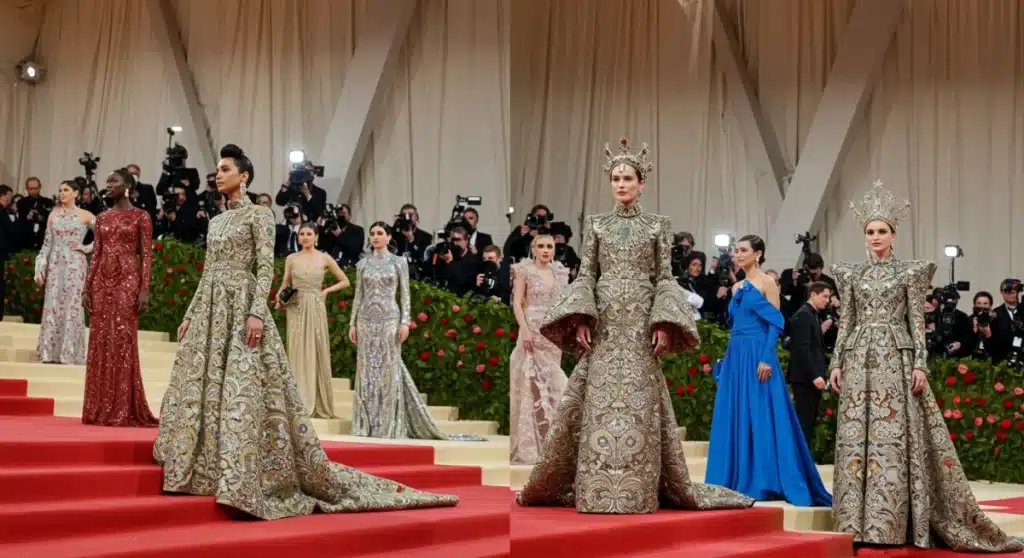
The fashion world is witnessing a significant resurgence of opulent maximalism, a trend characterized by rich textures, elaborate embellishments, and an abundance of luxurious details. This direction is a direct response to years of minimalist aesthetics, signaling a desire for grandeur and visual spectacle on the red carpet.
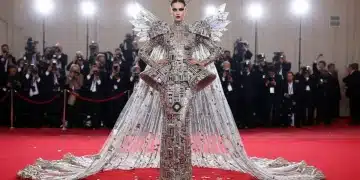
Designers are embracing volume, intricate layering, and bold, theatrical shapes that demand attention. Expect to see gowns with exaggerated trains, puffed sleeves, and architectural elements that transform the wearer into a living sculpture. This trend allows for unparalleled creativity and individual expression.
This shift towards dramatic silhouettes and maximalist adornment is not merely about excess; it is a celebration of craftsmanship and artistic vision. It reflects a collective longing for escapism and fantasy in fashion, making it a strong contender for the 2026 Met Gala.
Embracing Extravagant Embellishments
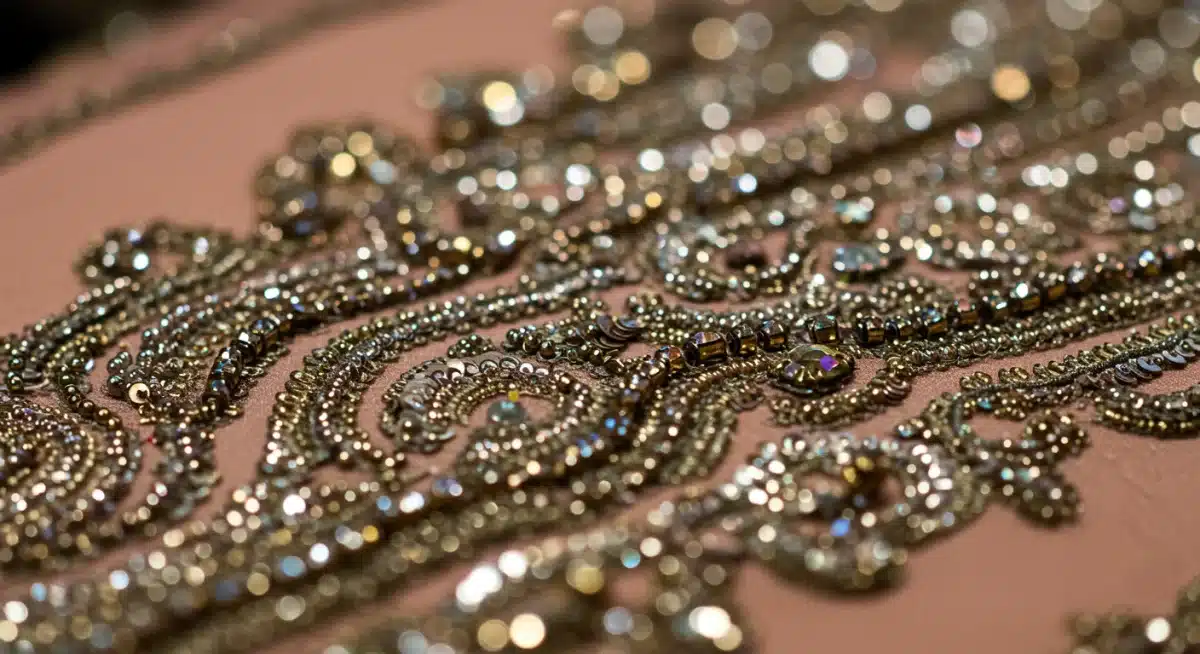
Intricate beadwork, elaborate embroidery, and shimmering sequins are making a powerful comeback, moving beyond subtle accents to become the focal point of many designs. These embellishments add depth and dimension, creating garments that are visually captivating from every angle.
The meticulous application of these details speaks to a renewed appreciation for artisanal techniques and the hours of dedicated craftsmanship involved.
This trend elevates garments to works of art, perfectly suited for the Met Gala’s elevated platform. We anticipate seeing a dazzling array of garments that sparkle under the camera flashes.
- Hand-embroidered motifs and intricate patterns
- 3D floral appliques and sculptural elements
- Heavy use of crystals, pearls, and metallic threads
- Feathers and fringe adding movement and texture
The Power of Volume and Exaggerated Proportions
Designers are playing with scale, introducing dramatic capes, voluminous skirts, and oversized bows that create unforgettable visual impact. These exaggerated proportions are designed to command space and project an aura of undeniable authority and glamour.
The manipulation of fabric to achieve these grand silhouettes requires innovative construction techniques and a keen understanding of drape and movement.
This approach ensures that while garments are large, they remain elegant and fluid, enhancing the wearer’s presence. Expect to see many show-stopping entrances defined by these bold choices.
Sustainable Luxury and Innovative Textiles
The conversation around sustainability in fashion has intensified, moving from niche concern to mainstream imperative. For the 2026 Met Gala, this translates into a demand for luxury garments crafted from eco-conscious materials and through ethical production methods.
Designers are increasingly leveraging innovative textiles, including biodegradable fabrics, recycled materials, and those produced with minimal environmental impact. This trend marries high-fashion aesthetics with a profound sense of responsibility, proving that glamour and eco-consciousness can coexist beautifully.
Attendees will likely prioritize pieces that not only look stunning but also tell a story of ethical sourcing and environmental stewardship. This shift reflects a broader cultural movement towards conscious consumption, making it a defining element of the 2026 Met Gala.
Eco-Friendly Materials at the Forefront
Expect to see a rise in organic silks, recycled polyesters, and innovative plant-based leathers gracing the red carpet. These materials offer the same luxurious feel and aesthetic appeal as traditional fabrics, but with a significantly reduced ecological footprint.
Brands are investing heavily in research and development to create new sustainable alternatives that do not compromise on quality or design. This push for material innovation is transforming the supply chain, making eco-luxury more accessible and desirable. The emphasis will be on transparency regarding material origins and production processes.
- Organic cottons and linens with luxurious finishes
- Recycled ocean plastics transformed into high-fashion textiles
- Innovative bio-materials like mushroom leather and pineapple fibers
- Natural dyes and low-impact dyeing techniques
The focus on sustainable luxury extends beyond just materials to encompass the entire lifecycle of a garment, from design to disposal. This holistic approach ensures that fashion’s impact is considered at every stage, aligning with the values of a more environmentally aware consumer base.
Deconstructed Silhouettes and Avant-Garde Tailoring
Breaking away from conventional forms, deconstructed silhouettes and avant-garde tailoring represent a bold, intellectual approach to red carpet dressing. This trend challenges traditional notions of beauty and structure, offering unexpected cuts, asymmetrical lines, and architectural forms.
Designers are experimenting with garment construction, often exposing inner workings or creating deliberate imperfections that add a raw, artistic edge. This style is for the fashion-forward individual who seeks to make a statement that is both thought-provoking and visually arresting.
The 2026 Met Gala is the perfect stage for such experimental fashion, where pushing boundaries is not just accepted but celebrated. This trend exemplifies a move towards fashion as art, with clothes serving as a canvas for innovative design and conceptual expression, solidifying its place in the 2026 Met Gala.
Asymmetry and Unconventional Cuts
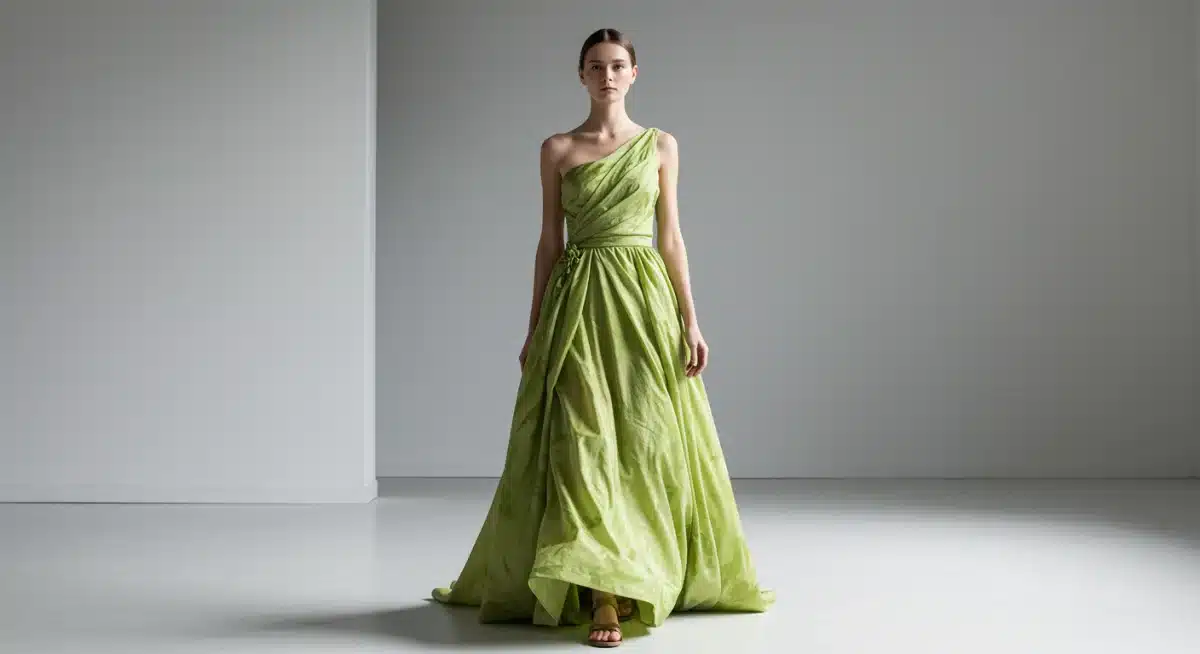
Expect to see gowns with uneven hemlines, cut-outs in unexpected places, and garments that appear to be reassembled from disparate parts. These elements create visual tension and dynamic movement, ensuring each piece is unique and memorable.
Asymmetry can be subtle or dramatic, from a single shoulder strap to a completely unbalanced silhouette that defies gravity. This trend requires a masterful hand in tailoring to ensure that while unconventional, the garments remain wearable and flattering. It’s about controlled chaos and deliberate disruption of norms.
This aesthetic is particularly favored by those who wish to convey a sense of intellectual curiosity and artistic daring. It’s a departure from the perfectly symmetrical and predictable, offering a fresh perspective on formal wear. The Met Gala’s theme often encourages such creative interpretations.
The Resurgence of Theatrical Glamour and Historical Homage
The Met Gala has always been a platform for theatricality, and the 2026 event is expected to amplify this with a strong emphasis on historical homage reimagined through a modern lens. This trend involves drawing inspiration from past eras, but with a contemporary twist that avoids mere costume play.
Designers will delve into fashion archives, reinterpreting historical garments, techniques, and embellishments with fresh eyes and innovative materials. This approach allows for a rich narrative to be woven into each design, connecting the past with the present in a spectacular display of creativity.
This trend is about storytelling through fashion, offering attendees the opportunity to embody characters or evoke specific historical moments with grandeur and sophistication. It promises to be a visually rich and intellectually stimulating aspect of the 2026 Met Gala.
Modern Interpretations of Vintage Eras
Look for nods to the Roaring Twenties, the elegant Fifties, or the dramatic Eighties, but with updated fabrics, silhouettes, and styling. The key is not to replicate, but to abstract and evolve these historical influences, making them relevant for today.
For instance, a Gilded Age-inspired gown might feature contemporary metallic fabrics or avant-garde structural elements that were not technologically possible in the original era. This fusion creates a dialogue between history and innovation, making each piece unique. The blend of old and new will be crucial.
- Victorian-inspired corsetry with futuristic materials
- Art Deco geometric patterns on modern silhouettes
- Regency-era empire waists reimagined with bold colors
- Baroque-style elaborate embroidery on sleek, minimalist forms
Theatrical glamour also extends to hair, makeup, and accessories, which will be meticulously coordinated to complete the historical narrative. This holistic approach ensures a cohesive and impactful look that pays proper tribute while pushing creative boundaries. This will be a defining feature of the 2026 Met Gala.
Gender-Fluid Fashion and Androgynous Elegance
The boundaries of gender in fashion continue to dissolve, leading to a strong trend of gender-fluid androgynous elegance on the red carpet. This movement challenges traditional masculine and feminine sartorial codes, promoting self-expression beyond binary definitions.
Designers are creating collections that can be worn by anyone, focusing on universal appeal, innovative tailoring, and silhouettes that transcend conventional gender norms. This trend emphasizes comfort, individuality, and a progressive vision for high fashion.
The 2026 Met Gala will undoubtedly showcase a diverse range of interpretations of this trend, from tailored suits with feminine embellishments to flowing gowns worn by all genders. It’s a powerful statement about identity and freedom in fashion, making it a critical aspect of the 2026 Met Gala.
Blurring Traditional Gender Lines
Expect to see more celebrities opting for looks that defy easy categorization, blending elements traditionally associated with menswear and womenswear. This could manifest as impeccably tailored suits with dramatic capes, or gowns featuring sharp, architectural shoulders.
The focus is on the individual’s comfort and confidence in their chosen expression, rather than adhering to prescribed gender roles. This progressive approach to dressing is gaining significant traction, reflecting broader societal shifts towards inclusivity and personal authenticity. The red carpet will become a canvas for diverse identities.
This trend challenges perceptions and encourages a more expansive view of what constitutes glamour and elegance. It’s about breaking free from sartorial constraints and celebrating the fluidity of personal style. The 2026 Met Gala will be a testament to this evolving landscape.
| Key Trend | Brief Description |
|---|---|
| Opulent Maximalism | Rich textures, elaborate embellishments, dramatic silhouettes. |
| Sustainable Luxury | Eco-conscious materials, ethical production, innovative textiles. |
| Deconstructed Silhouettes | Asymmetrical cuts, avant-garde tailoring, challenging traditional forms. |
| Theatrical Glamour | Historical homage with modern twists, narrative-driven designs. |
| Gender-Fluid Fashion | Blurring traditional gender lines, androgynous elegance, personal expression. |
Frequently Asked Questions About 2026 Met Gala Trends
The primary focus for the 2026 Met Gala fashion trends revolves around a dynamic interplay of opulence, sustainability, and boundary-pushing design. Expect to see a blend of extravagant maximalism, eco-conscious luxury, and avant-garde deconstruction, reflecting fashion’s evolving landscape and societal values. The event will showcase both grandeur and thoughtful innovation.
Sustainability will significantly influence red carpet style through the widespread use of innovative, eco-friendly textiles and ethical production practices. Designers are prioritizing organic, recycled, and biodegradable materials, demonstrating a commitment to environmental responsibility without compromising luxury. This shift emphasizes conscious consumption and transparent sourcing, making it integral.
While traditional silhouettes will always have a place, the 2026 Met Gala is expected to feature a strong emphasis on deconstructed and exaggerated forms. Designers are challenging conventional structures with asymmetry, unconventional cuts, and dramatic volumes. This reimagining of classic shapes creates fresh, artistic statements, pushing the boundaries of formal wear and offering new interpretations of elegance.
Historical homage plays a significant role, but with a modern, theatrical twist. Designers are drawing inspiration from various past eras, reinterpreting vintage styles with contemporary materials and innovative techniques. This approach allows for rich storytelling and a blend of old-world charm with futuristic elements, creating unique and memorable red carpet moments. It’s about evolution, not replication, for the 2026 Met Gala: Decoding the 5 Key Fashion Trends That Will Dominate Red Carpet Style (RECENT UPDATES).
Gender-fluid fashion will be prominently represented through designs that blur traditional masculine and feminine lines, promoting inclusive self-expression. Expect to see attendees in tailored garments with soft drapes, or flowing gowns with sharp, structural details, challenging conventional sartorial norms. This trend highlights a progressive vision for fashion, emphasizing individuality and freedom of style on the red carpet.
Looking Ahead: The Evolving Landscape of Met Gala Fashion
The insights into The 2026 Met Gala reveal a dynamic shift in high fashion. The upcoming event will not merely showcase glamorous attire but will serve as a significant indicator of broader cultural and artistic movements within the industry. It underscores a collective desire for creativity, responsibility, and individual expression, moving beyond mere aesthetics to incorporate deeper meaning.
Observers should closely monitor how these trends translate into actual red-carpet looks, noting the designers who most effectively capture their essence. The Met Gala consistently influences subsequent fashion cycles, making its sartorial statements particularly impactful. This analysis provides a framework for understanding the event’s potential legacy.
Ultimately, the 2026 Met Gala promises to be a pivotal moment for fashion, reflecting both a reverence for craftsmanship and a bold embrace of innovation. The trends discussed highlight a future where luxury is redefined by consciousness, creativity knows no bounds, and self-expression is paramount, shaping the narrative for years to come.