Red Carpet Reimagined: Digital Influence on 2026 Style Narratives
Advertisements
The traditional red carpet is undergoing an unprecedented evolution as digital influences fundamentally alter how we perceive and consume fashion.
Driven by advancements in social media, AI, and virtual fashion, Red Carpet Reimagined: How Digital Influences Are Shaping 2026 Style Narratives has transformed a once-static display of couture into an interactive, global spectacle.
Understanding this shift is now crucial, as the convergence of tech and style reshapes everything from trend forecasting to celebrity branding.
The Digital Transformation of Red Carpet Aesthetics
The aesthetic of the red carpet is no longer solely dictated by designers and stylists.
Digital platforms have democratized fashion commentary, allowing global audiences to weigh in instantaneously, thereby influencing subsequent style choices and trend cycles.
This immediate feedback loop means that designers and celebrities are more attuned to public sentiment and digital trends than ever before.
The pressure to create viral moments and generate widespread online discussion now plays a significant role in outfit selection.
The result is a red carpet that is more experimental, more diverse, and acutely aware of its digital footprint.
Every ensemble is now a potential meme, a trending topic, or an inspiration for millions, fundamentally changing the very fabric of celebrity fashion.
Social Media’s Unprecedented Influence on Style
Social media platforms like Instagram, TikTok, and X (formerly Twitter) have transformed the red carpet into a real-time, interactive event.
Celebrities and their teams strategically leverage these channels to build anticipation, reveal details, and engage directly with fans.
The speed at which trends disseminate has accelerated dramatically, with viral moments emerging within hours of an event.
This rapid propagation means that a single red carpet appearance can ignite global fashion conversations and dictate micro-trends for seasons to come.
Furthermore, the rise of fashion influencers, many of whom are not traditional celebrities, has broadened the scope of red carpet influence.
Their immediate reactions and detailed breakdowns of looks contribute significantly to shaping public perception and overall style narratives.
From Runway to Feed: Instant Trend Cycles
- Real-time commentary: Audiences dissect looks instantly, creating viral moments.
- Influencer amplification: Opinions from digital tastemakers shape mainstream perception.
- Global reach: Trends spread across continents within hours, not weeks.
- Direct engagement: Celebrities interact with fans about their fashion choices.
The journey from a designer’s atelier to a celebrity’s red carpet appearance is now inextricably linked with digital strategy.
Every outfit reveal is a carefully orchestrated digital event designed to maximize impact and engagement across various platforms.
The Rise of Virtual Fashion and Digital Couture
Virtual fashion, once a niche concept, is rapidly integrating into mainstream red carpet narratives.
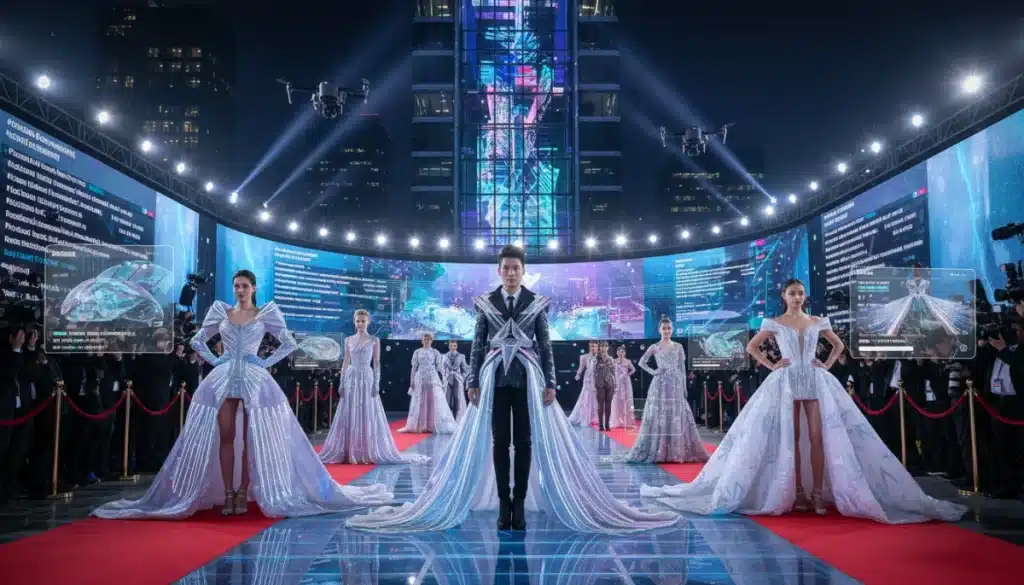
Digital garments, augmented reality filters, and even entirely virtual avatars are becoming part of the celebrity style lexicon, offering boundless creative possibilities.
This innovative approach allows for designs that defy physical limitations, pushing the boundaries of what is possible in haute couture.
Imagine gowns that shimmer with dynamic patterns or suits that change color with the wearer’s movement, all rendered digitally.
By 2026, we anticipate a significant increase in the integration of virtual elements on the red carpet, blurring the lines between physical and digital fashion.
This evolution provides new avenues for designers to express creativity and for celebrities to make unique statements that resonate in both worlds.
Augmented Reality on the Red Carpet
Auguted reality (AR) experiences are becoming more sophisticated, allowing for digital overlays on physical garments.
This technology enables designers to add dynamic effects or intricate patterns that are only visible through a screen, creating exclusive digital content.
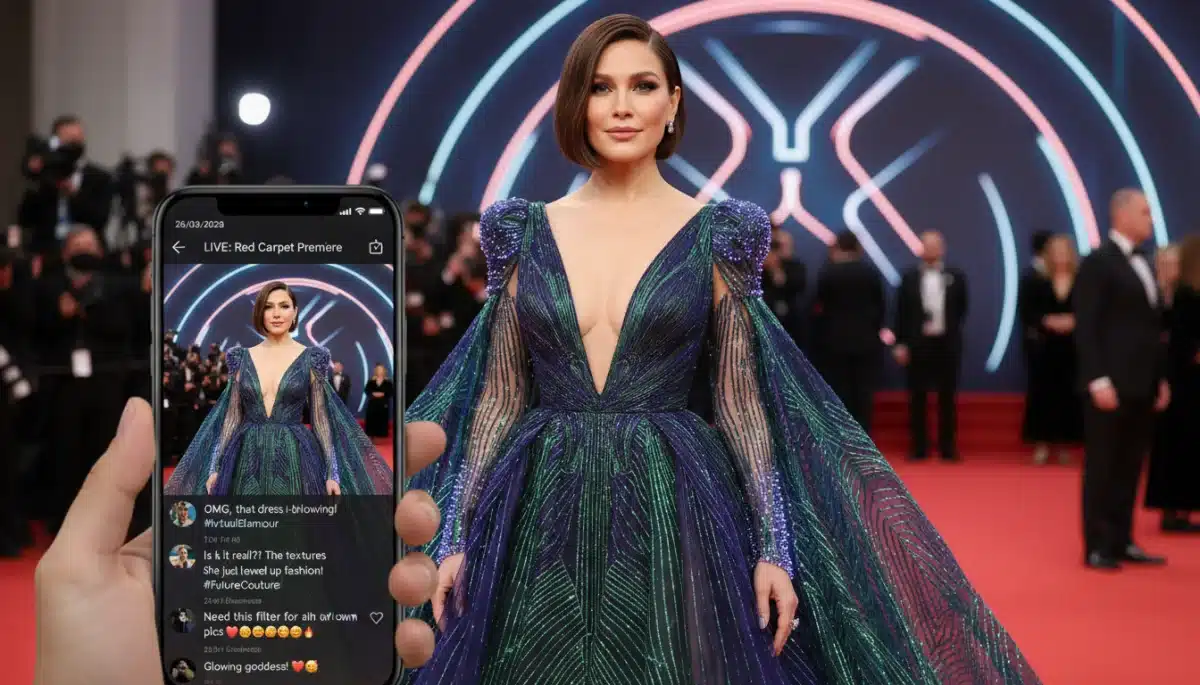
Celebrities can utilize AR filters to enhance their red carpet looks for social media, offering fans an interactive experience.
This creates a multi-layered fashion narrative, where the physical outfit is just one component of a broader digital presentation.
The potential for AR to transform red carpet interactions is immense, offering personalized experiences and expanding the storytelling capabilities of fashion beyond traditional photography and videography.
AI and Data Analytics in Fashion Forecasting
Artificial intelligence and data analytics are revolutionizing how fashion trends are predicted and created for major events.
Algorithms can now analyze vast amounts of social media data, consumer preferences, and historical fashion trends to identify emerging styles with remarkable accuracy.
Designers and stylists are leveraging AI tools to inform their creative processes, from selecting fabrics and silhouettes to predicting which colors will resonate most with audiences.
This data-driven approach enhances the strategic planning behind each red carpet appearance.
The precision offered by AI allows for more informed decisions, minimizing risks and maximizing the potential for a look to achieve widespread acclaim.
This convergence of creativity and technology is a hallmark of Red Carpet Reimagined.
Predictive Analytics for Trend Spotting
- Social listening: AI monitors social media for early trend indicators.
- Consumer behavior analysis: Data reveals preferences and purchasing patterns.
- Historical data modeling: Algorithms identify cyclical fashion trends.
- Risk assessment: AI helps predict the reception of controversial styles.
The ability to anticipate trends rather than merely react to them provides a significant advantage in the highly competitive world of red carpet fashion. This foresight allows for more innovative and impactful stylistic choices.
The Role of Digital Influencers and Celebrity Branding
Digital influencers, from fashion bloggers to TikTok personalities, now hold significant sway over public opinion and purchasing decisions.
Their presence at red carpet events, or their commentary on them, amplifies the digital footprint of each look.
Celebrity branding has become a complex ecosystem where every red carpet appearance is a carefully curated marketing opportunity.
Digital platforms offer direct channels for celebrities to control their narrative, share behind-the-scenes content, and promote their personal brands.
The authenticity and relatability often projected by digital influencers resonate deeply with younger audiences, making their endorsements and critiques particularly impactful.
This dynamic is central to understanding how Red Carpet Reimagined.
Accessibility and Democratization of Red Carpet Fashion
Digitalization has made red carpet fashion more accessible to a global audience than ever before.
Live streams, instant photo galleries, and social media commentary ensure that anyone with an internet connection can experience the event as it unfolds.
This increased accessibility fosters a sense of community and shared experience, breaking down traditional barriers between high fashion and the general public.
Fans can engage in discussions, share their opinions, and even re-create looks inspired by their favorite stars.
The democratization of fashion commentary and consumption means that trends are no longer solely top-down.
Grassroots movements and online subcultures can influence what appears on the red carpet, creating a more diverse and inclusive style landscape.
Global Engagement and Fan Interaction
Digital platforms facilitate unprecedented levels of global engagement, allowing fans from diverse backgrounds to connect with red carpet events.
This widespread interaction fuels discussion and keeps the events relevant long after they conclude.
Interactive features, such as polls and Q&A sessions with stylists, further immerse audiences in the red carpet experience.
This direct line of communication builds stronger connections between celebrities, designers, and their fan bases.
The ability for fans to influence red carpet narratives, even subtly, showcases the true power of digital in reshaping traditional entertainment spectacles. This is a key aspect of Red Carpet Reimagined.
Sustainability and Ethical Considerations in Digital Fashion
The rise of digital and virtual fashion also opens avenues for addressing sustainability concerns within the industry. Virtual garments eliminate the need for physical production, reducing waste and environmental impact.
Designers can experiment with sustainable materials and ethical production practices, showcasing these efforts through digital storytelling.
The transparency offered by digital platforms allows for greater accountability and informed consumer choices.
As the industry moves towards 2026, the focus on sustainable and ethical fashion will intensify, with digital influences playing a crucial role in promoting these values.
The red carpet can become a powerful platform for advocating for a more responsible fashion future.
The Future of Red Carpet Events in 2026
By 2026, red carpet events will likely be hybrid experiences, seamlessly blending physical presence with immersive digital interactions.
Virtual attendees, enhanced reality viewing, and interactive fan zones will redefine the event format.
The integration of NFTs and blockchain technology could also introduce new ways to authenticate designer pieces, track their provenance, and even allow for digital ownership of virtual red carpet looks.
This adds a layer of exclusivity and innovation.
The evolution of the red carpet is a testament to the transformative power of digital innovation. It’s a dynamic space where creativity meets technology, and where every style narrative is amplified and shaped by a global digital audience.
| Key Influence | Impact on 2026 Red Carpet |
|---|---|
| Social Media | Drives instant trend cycles and global commentary. |
| Virtual Fashion | Introduces digital garments and augmented reality for unique looks. |
| AI & Data Analytics | Forecasts trends and informs design choices with precision. |
| Digital Influencers | Amplifies reach and shapes public perception of celebrity style. |
Frequently Asked Questions About Digital Red Carpet Trends
Digital influences are reshaping choices by enabling real-time feedback and trend analysis. Celebrities and stylists now consider viral potential and social media engagement, leading to more experimental and digitally shareable looks. AI also informs design decisions, predicting audience reception for maximum impact.
Virtual fashion is introducing digital garments and augmented reality overlays, allowing for designs that defy physical limitations. These elements create unique visual experiences for online audiences and offer new avenues for creativity, blurring the lines between physical and digital couture for 2026 events.
Social media platforms and influencers drive instant trend cycles, amplify discussions, and provide immediate global commentary. They empower fans to engage directly, shaping public perception and contributing significantly to the overall narrative of celebrity style, making every look a potential viral moment.
Yes, digital fashion offers significant sustainability advantages by reducing the need for physical production, thereby minimizing waste. It also allows designers to showcase ethical practices and sustainable materials through digital storytelling, promoting a more environmentally conscious approach within high fashion events.
By 2026, red carpet events are expected to be hybrid experiences, integrating physical presence with immersive digital interactions. This includes enhanced reality viewing, interactive fan zones, and potentially the use of NFTs for authenticating digital fashion, creating a more dynamic and globally accessible spectacle.
Looking Ahead: The Evolving Red Carpet
The transformation of the red carpet, driven by digital influences, is an ongoing narrative that promises further innovation.
This evolution signifies a broader shift in how fashion, celebrity, and technology intersect, creating new opportunities for creativity and engagement.
For a unique look at how these glamorous aesthetics transcend the runway and influence other creative fields, you can explore this feature on House Beautiful translating Oscars red carpet looks into designer rooms.
Ultimately, monitoring the continued integration of AI, virtual fashion, and social media strategies will be crucial for understanding the future trajectory of high-profile style events.
The Red Carpet Reimagined: How Digital Influences Are Shaping 2026 Style Narratives is not just a passing trend; it’s a completely new paradigm.