Red Carpet Dressing Psychology: 4 Elements for 2026
Advertisements
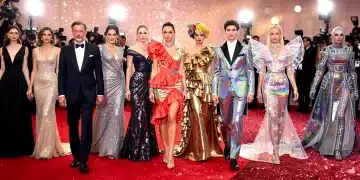
Latest developments on Dressing Psychology show that red carpet fashion in 2026 is increasingly treated as strategic communication, not just glamour. Recent awards coverage highlights bold color, sculptural gowns, statement accessories, relaxed tailoring, and archival storytelling as key tools celebrities use to signal identity, confidence, and cultural relevance.
This matters because research on “enclothed cognition” shows clothing can influence how people think, feel, and behave through both symbolic meaning and physical experience. In celebrity styling, that means fabric, silhouette, color, and historical references can shape public perception while reinforcing a star’s personal brand.
Readers should monitor four elements heading into 2026: color psychology, silhouette power, archival or cultural references, and authenticity in styling. As red carpets become platforms for storytelling, the most successful looks will likely balance visual impact with emotional clarity, brand alignment, and cultural timing.
The Evolving Landscape of Red Carpet Influence
The red carpet has transformed into a powerful stage for non-verbal communication, influencing public perception and brand narratives. Celebrities and their teams meticulously plan every detail, knowing that each appearance can significantly impact their image and career trajectory.
This shift isn’t just about fashion; it’s about leveraging visual identity to convey messages, align with social causes, and reinforce personal values. The audience, now more discerning and vocal, expects authenticity and purpose behind the glamour.
The traditional focus on pure aesthetics is being augmented by a demand for substance, making the psychology of red carpet Dressing Psychology a complex and fascinating field of study. What a star wears now speaks volumes beyond mere trends.
The Power of Visual Storytelling
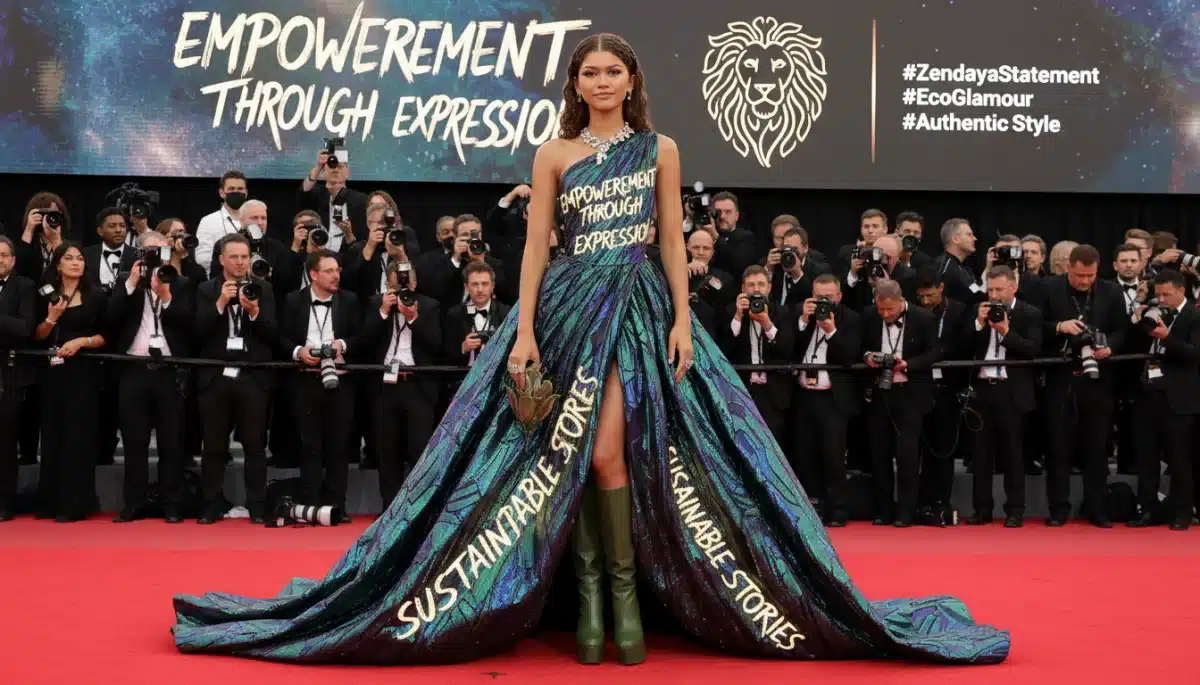
Every outfit on the red carpet tells a story, and for 2026, these narratives are becoming more intricate and deliberate. From homages to historical figures to statements on current events, clothing serves as a canvas for expression.
This storytelling is not accidental; it is a carefully constructed psychological strategy designed to resonate with specific audiences. When done effectively, it can create lasting impressions and foster deeper connections.
The ability to weave a compelling visual narrative is now a cornerstone of effective red carpet Dressing Psychology. It allows celebrities to go beyond surface-level beauty and engage viewers on a more profound, emotional level.
Audience Expectation and Digital Scrutiny
Today’s audiences are highly engaged, thanks to social media, and their expectations for red carpet appearances have soared. Every detail is dissected, from fabric choice to accessory placement, under intense digital scrutiny.
This heightened oversight means that any misstep can be amplified, but conversely, a well-executed look can achieve viral success and widespread acclaim. The psychological pressure on celebrities and their stylists is immense.
Navigating this landscape requires not only fashion expertise but also a keen understanding of public sentiment and the psychological impact of visual cues. The red carpet is a global conversation, and stars must be prepared to participate thoughtfully.
Element 1: Authenticity and Personal Brand Alignment
Authenticity is no longer a buzzword but a fundamental requirement for impactful red carpet appearances in 2026. Audiences crave genuine self-expression, expecting celebrities to wear outfits that truly reflect their personality, values, and public persona.
When a celebrity’s attire feels disconnected from their established brand, it can lead to public skepticism and a perceived lack of sincerity. Conversely, a look that genuinely embodies who they are fosters trust and strengthens their connection with fans.
This deep alignment is crucial for the psychology of red carpet Dressing Psychology, ensuring that the visual message is consistent with the celebrity’s overall narrative. It’s about more than just looking good; it’s about being true to oneself on a global stage.
Crafting a Cohesive Image
Stylists are increasingly acting as brand strategists, working closely with celebrities to develop a cohesive visual identity that extends to their red carpet choices. This involves understanding their client’s career goals, personal beliefs, and desired public image.
The goal is to eliminate any dissonance between the celebrity’s public statements and their sartorial choices, creating a unified and believable persona. This meticulous planning is essential for conveying authenticity.
A well-curated image ensures that every red carpet appearance reinforces the celebrity’s brand, making their presence memorable and meaningful. It’s a delicate balance between personal expression and strategic positioning.
The Psychology of First Impressions
First impressions on the red carpet are indelible, and authenticity plays a critical role in shaping them positively. An outfit that feels forced or inauthentic can undermine a celebrity’s credibility before they even utter a word.
Conversely, a look that radiates genuine confidence and self-awareness immediately draws the audience in, creating a powerful psychological connection. This initial impact sets the tone for their entire public interaction.
Understanding this psychological dynamic is paramount for anyone navigating the red carpet in 2026. Authenticity is the key to making a truly impactful and memorable first impression that resonates long after the event.
Element 2: Narrative and Storytelling Through Style
The red carpet in 2026 is a stage for powerful narratives, where clothing choices are meticulously crafted to tell compelling stories. These stories can range from personal journeys to statements on broader societal issues, all communicated through the language of fashion.
This narrative approach adds layers of meaning to an outfit, transforming it from a mere garment into a piece of visual commentary. It provides context and depth, inviting the audience to engage with the celebrity on a more intellectual and emotional level.
The psychology of red carpet Dressing Psychology increasingly involves understanding how to effectively weave these narratives into sartorial decisions, making each appearance a chapter in a larger, ongoing story. It’s about leveraging fashion as a powerful communication tool.
Celebrating Cultural Heritage
Many celebrities are now using the red carpet to celebrate their cultural heritage, incorporating traditional designs, fabrics, or motifs into their ensembles. This not only honors their roots but also sends a powerful message of pride and representation.
Such choices resonate deeply with diverse audiences, fostering a sense of connection and belonging. It transforms a personal statement into a collective celebration, creating a positive psychological impact.
The intentional integration of cultural elements is a growing trend, demonstrating how fashion can bridge divides and amplify voices. It’s a testament to the evolving role of red carpet Dressing Psychology as a form of cultural diplomacy.
Political and Social Statements
The red carpet has become an unexpected but potent platform for political and social activism. Celebrities are increasingly using their attire to draw attention to important causes, from environmental protection to human rights.
These sartorial statements, often subtle yet impactful, spark conversations and raise awareness among a global audience. They demonstrate a celebrity’s commitment to issues beyond their craft, enhancing their perceived social responsibility.
The strategic deployment of such messages requires careful consideration of the psychology of red carpet Dressing Psychology, ensuring the statement is clear, respectful, and effectively communicated without overshadowing the event itself. It’s a delicate balance of advocacy and glamour.
Element 3: Sustainability and Ethical Choices
As environmental consciousness grows, sustainability and ethical sourcing have become paramount considerations for red carpet Dressing Psychology in 2026. Celebrities are under increasing pressure to demonstrate their commitment to responsible fashion, both in their personal lives and public appearances.
Choosing eco-friendly materials, supporting ethical labor practices, and opting for vintage or upcycled garments sends a powerful message to fans and the industry alike. This reflects a broader societal shift towards conscious consumption.
The psychology of red carpet dressing now includes the moral dimension of fashion, where choices can either enhance or detract from a celebrity’s public image based on their perceived environmental and social impact. It’s about aligning values with visible choices.
The Rise of Eco-Conscious Designers
A new generation of designers specializing in sustainable practices is gaining prominence, offering celebrities stylish and environmentally responsible options. These collaborations highlight innovation in eco-friendly fashion.
Working with such designers allows celebrities to not only look good but also feel good about their choices, knowing they are contributing positively to the planet. This conscious decision resonates deeply with an increasingly eco-aware public.
The spotlight on these designers is transforming the red carpet into a showcase for sustainable innovation, proving that glamour and environmental responsibility can coexist. This is a critical aspect of the evolving red carpet Dressing Psychology.
Vintage and Upcycled Fashion
Embracing vintage and upcycled fashion is another significant trend, offering a sustainable alternative to new creations. Wearing pre-loved garments not only reduces waste but also adds a unique historical dimension to an outfit.
Many celebrities are choosing iconic vintage pieces, often with a story of their own, which adds depth and character to their red carpet look. This choice speaks volumes about their commitment to circular fashion.
The allure of vintage fashion on the red carpet is both aesthetic and ethical, appealing to a public that values both style and sustainability. It’s a smart move in the complex psychology of red carpet Dressing Psychology for 2026.
Element 4: Technological Integration and Innovation
Technological integration is rapidly transforming red carpet Dressing Psychology, offering new avenues for innovation and audience engagement. From smart fabrics to augmented reality filters, technology is enabling unprecedented levels of creativity and interactivity.
These advancements allow for dynamic visual effects, personalized experiences, and entirely new forms of self-expression that were previously impossible. They push the boundaries of what is considered traditional red carpet attire.
The psychology of red carpet dressing is adapting to incorporate these technological marvels, understanding how they can enhance a celebrity’s presence and create unforgettable moments. It’s about leveraging cutting-edge tools for maximum impact.
Wearable Technology and Smart Fabrics
Wearable technology is moving beyond mere gadgets and into the realm of high fashion, with smart fabrics that can change color, display patterns, or even monitor biometric data. These innovations offer a futuristic edge to red carpet looks.
Imagine a dress that reacts to ambient light or a suit that subtly glows, creating a mesmerizing visual experience. Such advancements captivate audiences and demonstrate a celebrity’s embrace of forward-thinking design.
The integration of wearable technology is opening up exciting possibilities for the psychology of red carpet Dressing Psychology, allowing for interactive and evolving garments that truly stand out. It represents a bold step into the future of fashion.
Augmented Reality and Digital Dressings
Augmented reality (AR) is beginning to play a role, allowing for digital overlays that enhance physical garments or even create entirely virtual outfits for digital platforms. This blurs the lines between physical and virtual fashion.
While not yet mainstream for physical red carpets, AR offers a glimpse into a future where digital elements can augment a celebrity’s look for online viewing and social media engagement. It expands the canvas of self-expression.
The potential for AR to influence the psychology of red carpet Dressing Psychology, particularly in the digital sphere, is immense. It allows for creative freedom and interactive experiences that can engage a global online audience in novel ways.
The Psychological Impact of Color and Silhouette
Beyond the four core elements, the timeless principles of color and silhouette continue to exert significant psychological influence on the red carpet. Specific hues evoke particular emotions, while garment shapes dictate how a body is perceived.
Red, for instance, often signifies power and passion, whereas blue conveys calm and trustworthiness. A structured silhouette can project authority, while a flowing gown might suggest grace and approachability.
Understanding these fundamental psychological associations is critical for stylists aiming to craft a coherent message. The psychology of red carpet Dressing Psychology is incomplete without acknowledging the profound impact of these visual basics.
Mastering the Art of Proportions
The mastery of proportions is not just about aesthetics; it’s about creating a visually harmonious and flattering presentation that subtly influences perception. An expertly tailored silhouette can enhance a celebrity’s stature and confidence.
Conversely, ill-fitting or disproportionate clothing can distract from the overall message, even if other elements are strong. Precision in tailoring is a silent but powerful psychological tool.
This attention to detail ensures that the clothing works with the celebrity’s physique, rather than against it, contributing to an overall sense of poise and authority. It’s a vital component of successful red carpet Dressing Psychology.
The Emotional Resonance of Fabric
The choice of fabric also holds significant psychological weight, communicating messages through its texture, drape, and perceived luxury. Silk might convey elegance, while leather suggests edginess or strength.
Fabrics can evoke tactile sensations and subconscious associations, influencing how an outfit is received even before it’s consciously processed. The material itself contributes to the overall emotional impact.
Considering the emotional resonance of different fabrics is an advanced aspect of the psychology of red carpet Dressing Psychology, allowing for a deeper connection with the audience. It’s about selecting materials that amplify the desired message.
The Role of Accessories in Red Carpet Psychology
Accessories are far more than mere adornments; they are crucial components in the psychology of red carpet Dressing Psychology, capable of elevating an outfit, injecting personality, or even making a subtle statement. Each piece, from jewelry to handbags, is chosen with deliberate intent.
A statement necklace can draw attention to the décolletage, while a carefully selected clutch can add a pop of color or texture. These small details collectively contribute to the overall psychological impact of the ensemble.
The strategic use of accessories demonstrates an understanding of how to complete a visual narrative, transforming a good outfit into a great one. They are the punctuation marks in the story told by the celebrity’s attire.
Jewelry as a Statement
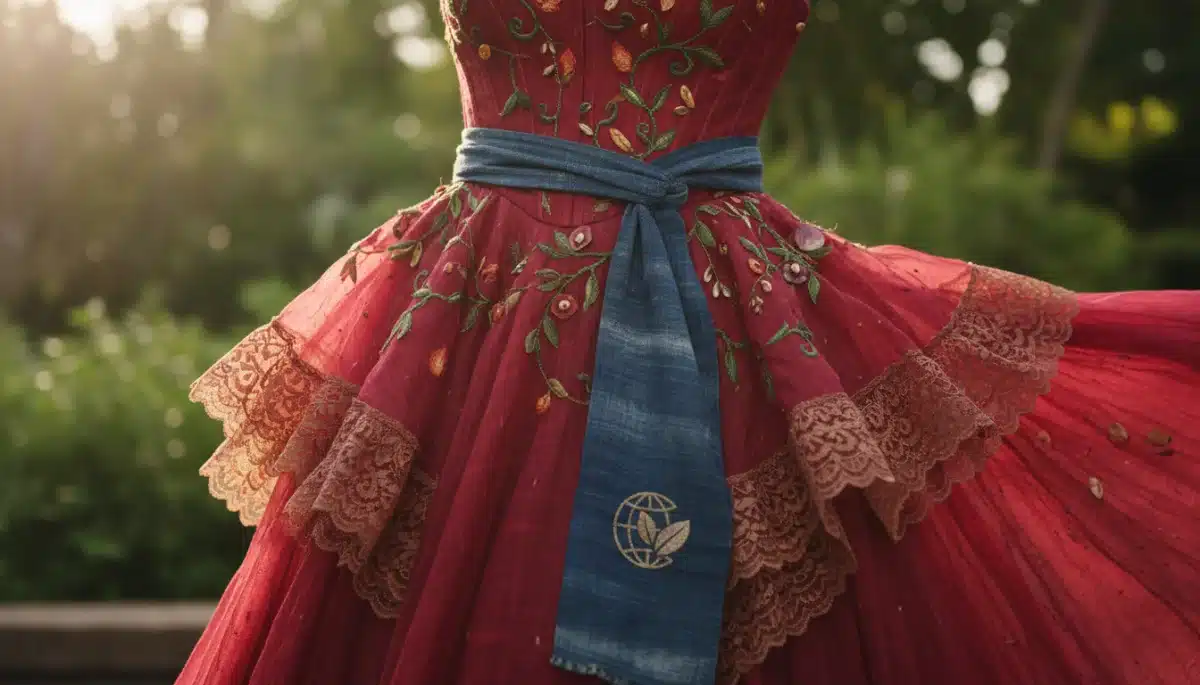
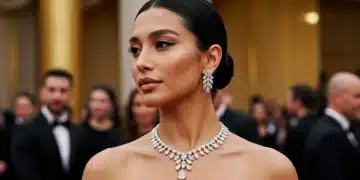
Jewelry on the red carpet often serves as a significant statement, conveying wealth, status, or even personal sentiment. Pieces can be chosen to complement an outfit, or they can be the focal point, designed to capture attention.
Beyond their monetary value, jewels carry symbolic weight, and their selection can reflect a celebrity’s brand or current mood. They are powerful non-verbal communicators.
The psychology of red carpet Dressing Psychology recognizes that jewelry is not just shiny; it’s a form of personal expression that adds depth and intrigue to an appearance. It can tell a story of heritage, collaboration, or personal achievement.
Footwear and the Foundation of Style
While often overlooked, footwear plays a critical role in the overall psychology of a red carpet look. The right shoes can complete a silhouette, provide balance, and even impact a celebrity’s posture and confidence.
A towering heel can convey power and glamour, while a delicate sandal might suggest elegance and lightness. The choice of footwear subtly influences how an entire outfit is perceived.
Attention to footwear is a testament to meticulous planning in red carpet Dressing Psychology, ensuring that every element, from head to toe, contributes to the desired impression. It’s the foundation upon which the entire look stands.
| Key Element | Brief Description |
|---|---|
| Authenticity | Genuine self-expression aligning with personal brand and values. |
| Narrative | Storytelling through style, conveying personal or social messages. |
| Sustainability | Ethical sourcing, eco-friendly materials, and responsible fashion choices. |
| Technology | Integration of smart fabrics and digital enhancements for innovative looks. |
Frequently Asked Questions About Red Carpet Dressing Psychology
Authenticity fosters trust and a stronger connection with the audience. In an era of heightened scrutiny, a genuine reflection of a celebrity’s personality and values through their attire prevents skepticism and reinforces their personal brand, making their public presence more impactful and believable.
Narratives transform an outfit into a meaningful statement, allowing celebrities to communicate personal journeys or social causes. This storytelling adds depth, engages audiences on an emotional level, and ensures the appearance is memorable beyond superficial aesthetics, enhancing the overall psychological resonance.
Sustainability reflects a celebrity’s commitment to ethical practices, aligning with growing public consciousness. Choosing eco-friendly or vintage fashion enhances their public image as responsible figures, demonstrating values that resonate with a global audience and contributing positively to their psychological profile.
Technology introduces innovative elements like smart fabrics and augmented reality, enabling dynamic visual effects and personalized experiences. These advancements push creative boundaries, captivate audiences, and allow for novel forms of self-expression, making red carpet appearances more interactive and visually stunning than ever before.
Absolutely. Color and silhouette remain fundamental. Specific colors evoke emotions, and garment shapes influence perception of confidence and presence. These timeless psychological principles form the core foundation upon which modern red carpet dressing builds, ensuring every visual cue contributes to the desired impact.
Perspectives
The evolving psychology of red carpet Dressing Psychology for 2026 underscores a significant shift from mere glamour to strategic, meaningful communication.
As celebrities increasingly leverage their platforms, understanding these four elements, authenticity, narrative, sustainability, and technological integration, will be crucial for impactful public appearances.
These trends reflect a more discerning audience and a growing demand for substance behind the style, reshaping the future of celebrity influence and engagement.