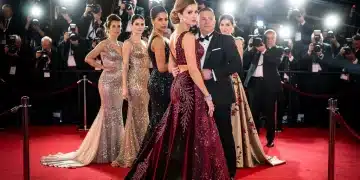
Runway to Red Carpet: 2026 Trend Crossover Insights
Advertisements
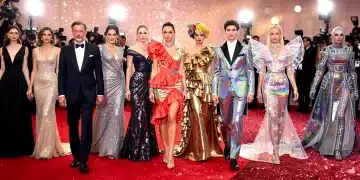
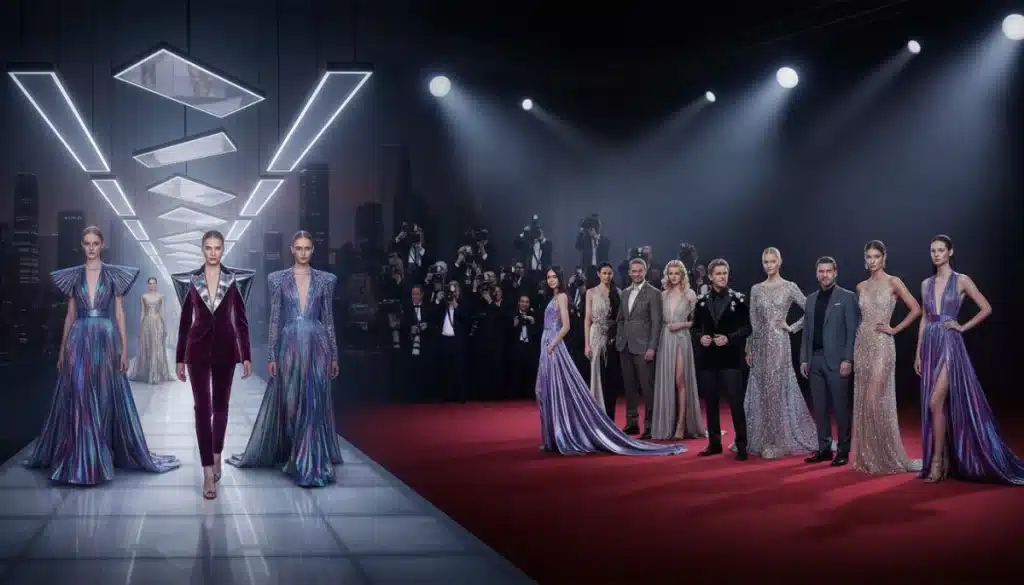
The phenomenon of Runway to Red Carpet 2026 has become an undeniable force, fundamentally driving the convergence of high fashion and celebrity glamour.
Accelerated by rapid trend cycles and a demand for bold, personalized statements, this crossover is no longer just about celebrity dressing—it represents the direct integration of avant-garde concepts into mainstream style.
This analysis explores the key designers leading this transition and outlines how these reinterpreted runway creations are actively setting the stage for future global fashion narratives.
The Accelerating Pace of Trend Adoption
The speed at which runway trends transition to the red carpet has dramatically increased, fueled by digital platforms and instant global communication.
What once took seasons to filter down now appears almost instantaneously, challenging traditional fashion calendars.
This rapid adoption means that designers are creating collections with a dual purpose: to make a statement on the catwalk and to be immediately adaptable for high-profile events.
The lifecycle of a trend is shorter, demanding constant innovation and fresh perspectives from creators.
Understanding this accelerated pace is crucial for anyone keen on deciphering the future of fashion.
The Runway to Red Carpet 2026 phenomenon is a direct consequence of this shift, pushing boundaries and redefining what is considered fashionable for both exclusive and public appearances.
Key Stylistic Elements Defining Runway to Red Carpet 2026
Several distinct stylistic elements are emerging as hallmarks of the Runway to Red Carpet 2026 crossover, signaling a departure from previous fashion norms.
These include architectural silhouettes, innovative fabrications, and a bold embrace of gender-fluid designs.
The emphasis is on creating garments that are not only visually striking but also tell a story, often incorporating sustainable practices or technological advancements.
This approach allows for a seamless transition from the conceptual art of the runway to the high-stakes glamour of the red carpet.
These elements are carefully curated to ensure maximum impact, proving that the Runway to Red Carpet 2026 movement is about more than just clothing; it’s about crafting an image that resonates globally.
Architectural Silhouettes and Structural Innovation
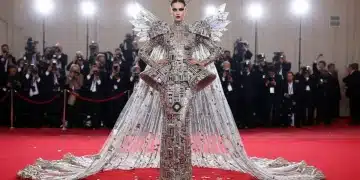
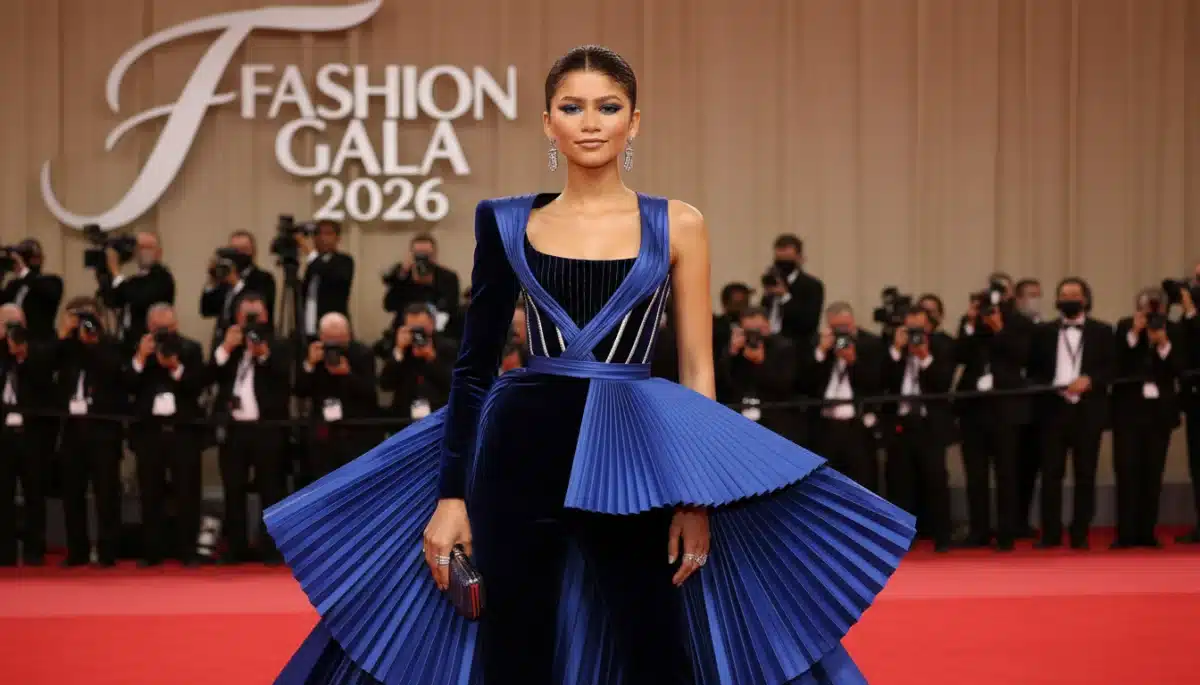
Designers are increasingly experimenting with exaggerated forms and sculpted lines, moving away from traditional draping.
These architectural silhouettes create dramatic visual interest, making garments stand out on both the runway and the red carpet.
This trend often involves complex construction techniques and unconventional materials, pushing the boundaries of what is considered wearable art.
The result is a series of breathtaking ensembles that command attention and redefine elegance.
- Voluminous sleeves and shoulders
- Exaggerated peplums and hemlines
- Deconstructed and reassembled forms
Innovative Fabrications and Sustainable Choices
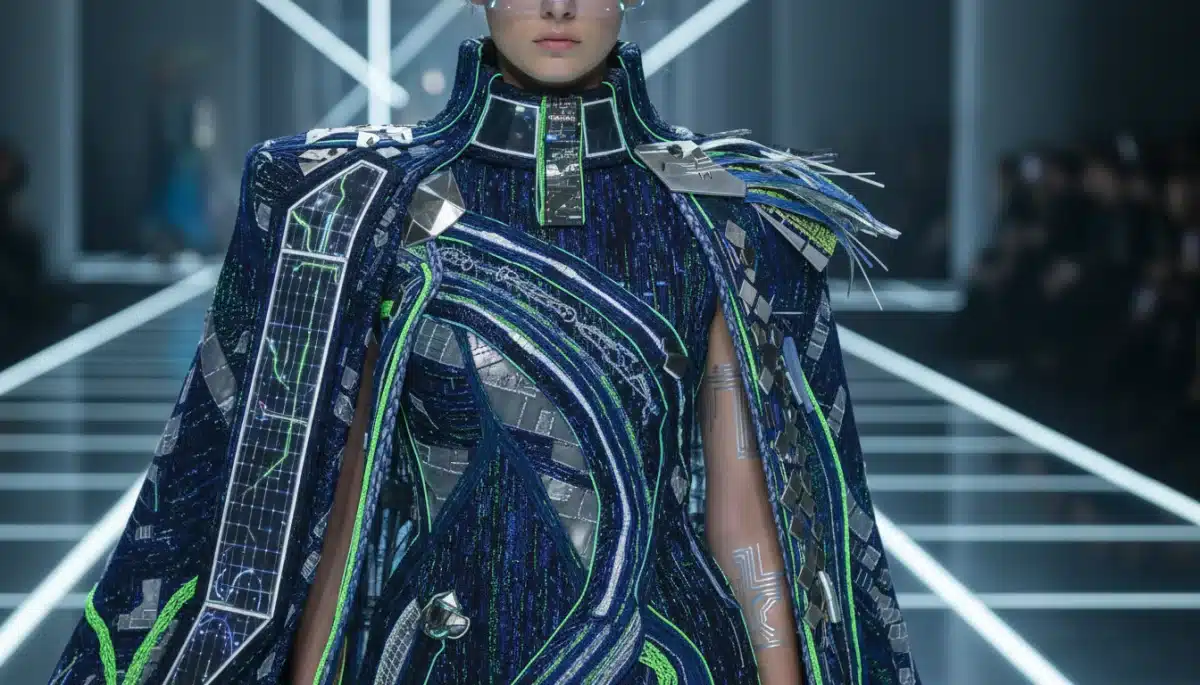
The selection of fabrics plays a pivotal role in the Runway to Red Carpet 2026 narrative, with a strong focus on innovation and sustainability.
Designers are utilizing cutting-edge materials that offer unique textures, enhanced performance, and a reduced environmental footprint.
These include bio-engineered textiles, recycled synthetics, and ethically sourced natural fibers, all contributing to garments that are both luxurious and responsible.
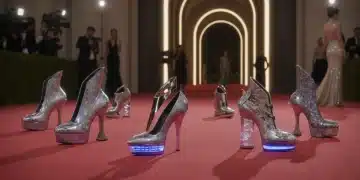
The integration of technology in fabric development is also a key driver, allowing for dynamic and adaptive designs.
- Recycled and upcycled materials
- Smart fabrics with integrated technology
- Plant-based and biodegradable textiles
The Influence of Digital and Social Media
Digital platforms and social media have profoundly reshaped the fashion landscape, acting as catalysts for the Runway to Red Carpet 2026 phenomenon.
Trends now go viral within hours, generating immense public interest and influencing purchasing decisions.
Influencers and celebrities, with their vast online reach, play a crucial role in amplifying these trends, making high fashion accessible to a broader audience.
This digital acceleration means that designers must consider the ‘shareability’ of their creations from the outset.
The instant feedback loop provided by social media also allows for real-time adjustments and adaptations, further blurring the lines between runway presentations and red carpet appearances.
This continuous engagement is vital for the success of Runway to Red Carpet 2026.
Instagram and TikTok as Trend Accelerators
Platforms like Instagram and TikTok have become indispensable tools for designers and fashion enthusiasts alike, showcasing new collections and celebrity looks to millions.
The visual nature of these apps allows for quick dissemination and interpretation of trends.
Short-form video content, in particular, has proven effective in highlighting specific details, movements, and styling choices, making complex fashion concepts digestible and inspiring for a global audience.
This direct engagement fosters a dynamic relationship between creators and consumers.
The viral potential of a single outfit worn by a celebrity on the red carpet can propel a runway trend into mass appeal almost overnight, demonstrating the power of social media in the Runway to Red Carpet 2026 equation.
Designers Leading the Charge for Runway to Red Carpet 2026
A select group of designers and fashion houses are at the forefront of the Runway to Red Carpet 2026 movement, consistently pushing creative boundaries and dictating future style.
Their innovative approaches are redefining what is expected on both the runway and the red carpet.
These visionaries are not just creating clothes; they are crafting narratives and experiences that resonate deeply with both critics and consumers.
Their collections often serve as a preview of the broader fashion trends that will dominate in the coming years.
By blending artistic vision with commercial appeal, these designers are proving that high fashion can be both conceptually daring and widely influential, solidifying the impact of Runway to Red Carpet 2026.
Emerging Talents and Established Icons
Both established fashion houses and burgeoning independent designers are contributing to the evolving landscape of Runway to Red Carpet 2026.
Established icons bring gravitas and historical context, while new talents inject fresh energy and unconventional ideas.
This blend of experience and innovation fosters a rich environment for creative exploration, leading to diverse and exciting collections.
The collaborative spirit between these different segments of the industry is a key factor in the rapid evolution of trends.
Their collective efforts ensure that the Runway to Red Carpet 2026 phenomenon remains dynamic and relevant, constantly surprising and inspiring fashion enthusiasts worldwide.
The Red Carpet as a Global Fashion Stage
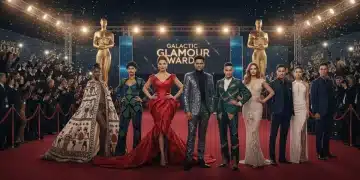
The red carpet has evolved into much more than a mere photo opportunity; it is now a crucial global stage where fashion statements are made, trends are solidified, and designers gain unparalleled exposure.
This transformation is central to the Runway to Red Carpet 2026 narrative.
Celebrities, with the help of their stylists, meticulously select outfits that not only reflect their personal brand but also align with current and emerging runway trends.
Their choices often dictate what becomes widely popular, influencing mass-market fashion.
The pressure to deliver memorable and impactful looks ensures that the red carpet remains a vibrant and influential platform for the Runway to Red Carpet 2026 crossover, driving innovation and setting new benchmarks for style.
Celebrity Stylists: The Unsung Heroes
Behind every iconic red carpet look is a visionary celebrity stylist, acting as the crucial link between the runway and the public eye.
These professionals possess an unparalleled understanding of both high fashion and individual celebrity aesthetics.
They work closely with designers to secure exclusive pieces, adapt runway creations for red carpet practicality, and ensure that each outfit tells a compelling story. Their expertise is instrumental in translating conceptual designs into wearable art.
The role of stylists in translating the vision of Runway to Red Carpet 2026 cannot be overstated; they are the architects of celebrity style, often dictating the success of a trend.
Impact on Consumer Fashion and Mainstream Trends
The Runway to Red Carpet 2026 crossover has a profound and direct impact on consumer fashion, influencing everything from fast fashion collections to high-street offerings.
What begins on the catwalk, adapted for the red carpet, eventually trickles down to mainstream retail.
Consumers are increasingly looking to celebrity red carpet appearances for inspiration, seeking to emulate the styles and aesthetics seen on their favorite stars.
This demand drives retailers to quickly produce similar designs, making high fashion more accessible.
This democratization of style means that the Runway to Red Carpet 2026 phenomenon is not just for the elite; it shapes the wardrobes of millions, proving its broad cultural significance.
Accessibility and Adaptability of Trends
One of the defining characteristics of Runway to Red Carpet 2026 is the adaptability of its trends for various occasions and budgets. While the original pieces may be haute couture, their core elements are often reinterpreted for wider consumption.
This allows individuals to incorporate elements of high fashion into their daily lives, whether through specific accessories, color palettes, or simplified silhouettes.
The goal is to capture the essence of the trend without necessarily replicating the exact garment.
The accessibility of these adapted trends ensures that the influence of Runway to Red Carpet 2026 is far-reaching, transforming how people dress across different socio-economic strata.
The Future of Fashion: Beyond 2026
Looking beyond 2026, the trends observed in the Runway to Red Carpet 2026 crossover suggest a continued evolution towards greater personalization, sustainability, and technological integration.
The lines between virtual and physical fashion are also expected to blur further.
Designers will likely continue to explore innovative materials and production methods, responding to growing consumer demand for ethical and environmentally friendly choices.
The role of artificial intelligence in design and trend forecasting will also become more prominent.
These developments indicate that the Runway to Red Carpet 2026 phenomenon is merely a stepping stone in a larger, ongoing transformation of the fashion industry, promising an exciting and unpredictable future.
Virtual Fashion and Digital Avatars
The rise of virtual fashion and digital avatars presents a new frontier for the Runway to Red Carpet 2026 concept. Digital garments, worn by avatars in metaverses or on social media, are gaining traction as a form of self-expression and trend experimentation.
This allows designers to push creative boundaries even further, free from the constraints of physical production, while also offering consumers a sustainable way to engage with high fashion.
The interaction between virtual and physical wardrobes is set to become more fluid.
The integration of virtual elements into real-world red carpet events, perhaps through augmented reality, could redefine the very nature of the Runway to Red Carpet 2026 experience, opening up endless possibilities for innovation.
| Key Trend | Description |
|---|---|
| Architectural Silhouettes | Exaggerated forms and sculpted lines defining dynamic garment structures. |
| Innovative Fabrics | Sustainable, bio-engineered, and tech-integrated materials for unique textures. |
| Gender-Fluid Designs | Blurring traditional gender lines in fashion, offering versatile and inclusive styles. |
| Digital Influence | Social media accelerating trend adoption from runway to red carpet and beyond. |
Frequently Asked Questions About Runway to Red Carpet 2026
It refers to the increasingly rapid and direct adoption of avant-garde fashion concepts and specific designs from high-fashion runways by celebrities for red carpet events. This accelerates trend cycles and influences broader consumer fashion choices.
While specific names vary, designers known for their architectural silhouettes, sustainable innovations, and strong celebrity ties are leading. Both established luxury houses and emerging talents contribute significantly to the Runway to Red Carpet 2026 movement.
Social media platforms like Instagram and TikTok act as powerful accelerators, disseminating runway looks and red carpet styles globally within hours. This instant visibility amplifies trends and fosters consumer demand for similar aesthetics.
Yes, while original runway pieces are exclusive, their key elements—like colors, silhouettes, or fabric ideas—are quickly adapted by mainstream retailers. This allows consumers to incorporate high-fashion influences into their everyday wardrobes, demonstrating the reach of Runway to Red Carpet 2026.
Expect continued innovation in sustainable materials, increased technological integration in design, and a blurring of lines between physical and virtual fashion. The Runway to Red Carpet 2026 trend is a precursor to a more personalized and digitally influenced fashion future.
Looking Ahead: The Evolving Fashion Narrative
The trajectory of Runway to Red Carpet 2026 suggests a fashion landscape that is more interconnected, dynamic, and responsive than ever before.
The immediate adoption of runway concepts onto the red carpet signals a new era where exclusivity meets widespread influence.
This ongoing evolution will continue to challenge traditional boundaries, pushing designers and consumers alike towards innovative expressions of style.
As we monitor these developments, it becomes clear that the impact of Runway to Red Carpet 2026 extends far beyond mere aesthetics, shaping economic decisions within the industry and altering consumer behavior.
The blend of high art and commercial viability will define the coming years, making fashion a truly global and influential force.
For enthusiasts and insiders tracking how these high-fashion garments undergo this exact transformation in real time, following specialized archives like the Red Carpet Fashion Awards Runway to Red Carpet features provides an essential, piece-by-piece breakdown of these style transitions.
The crucial takeaway is the heightened importance of adaptability and foresight in the fashion world.
Those who can anticipate and interpret the shifts from Runway to Red Carpet 2026 will be best positioned to navigate its exciting, complex future, proving the enduring power of this trend crossover.