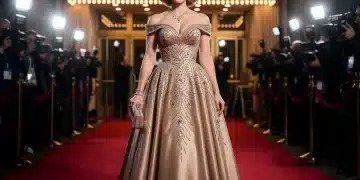
Red Carpet Style Evolution: Trends from 2021 to Dominating 2026
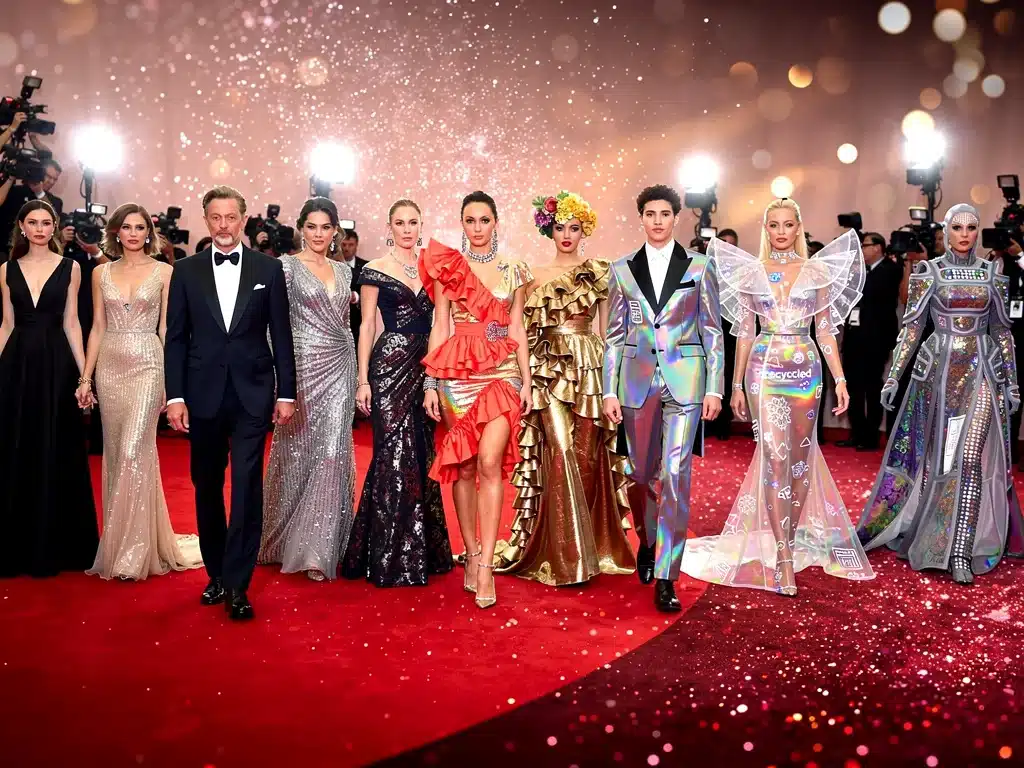
Advertisements
The Dawn of a New Decade: 2021-2022’s Post-Pandemic Resurgence
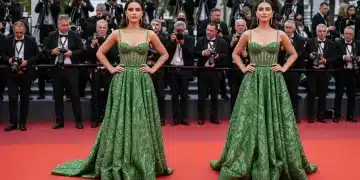
The years 2021 and 2022 marked a pivotal period for Red Carpet Style Evolution, emerging from the relative quietude of the pandemic. Red carpets, previously a canvas for grand, often traditional glamour, began to reflect a collective desire for celebration and self-expression. Designers and celebrities embraced color, volume, and intricate detailing with renewed vigor, signaling a joyous return to public life.
This era saw a palpable shift towards optimism in fashion, moving away from the minimalist tendencies of previous years. There was a noticeable emphasis on custom-made pieces that highlighted craftsmanship and individuality. The red carpet became a vibrant display of sartorial freedom, with attendees eager to make a memorable impact after a period of limited public appearances.
This initial phase of the Red Carpet Style Evolution set the stage for more experimental looks. It established a foundation where comfort and statement pieces could coexist, paving the way for bolder choices in subsequent years. The industry collectively exhaled, ready to push boundaries once more.
Return to Glamour with a Twist
Following the pandemic, there was a clear yearning for the opulence associated with red carpet events, but with a modern sensibility. This translated into classic silhouettes reimagined with contemporary fabrics or unexpected embellishments.
The focus was on making a grand return while acknowledging current fashion dialogues. Celebrities often opted for gowns that blended traditional elegance with a fresh, youthful appeal.
This included a rise in vibrant color palettes and playful textures, moving away from the more subdued tones that had dominated pre-pandemic. The overall aesthetic was one of joyful exuberance, marking a clear departure.
- Bold colors like fuchsia, emerald green, and electric blue gained prominence.
- Voluminous skirts and dramatic trains made a strong comeback.
- Intricate beadwork and sequin embellishments added a touch of sparkle.
Sustainability’s Quiet Entry
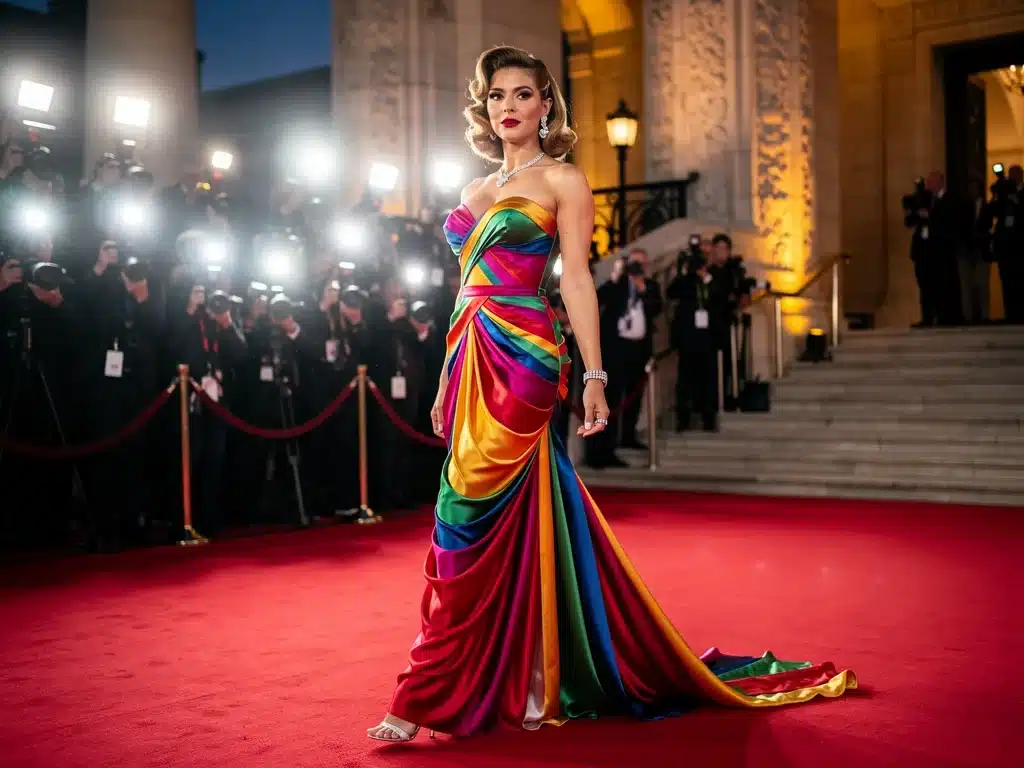
While not yet a dominant force, the seeds of sustainability began to sprout on the red carpet during this period. Designers and celebrities increasingly incorporated vintage pieces, upcycled materials, or garments from eco-conscious brands. This subtle shift reflected a growing awareness within the industry.
The conversation around ethical fashion started to gain traction, influencing styling choices and brand partnerships. Though still in its nascent stages for red carpet events, these early efforts hinted at a future where sustainability would play a more central role. It was a quiet revolution, building momentum.
The public’s growing concern for environmental issues also pressured the fashion industry to respond. Red carpet events, being highly visible platforms, became natural venues for these initial statements. This laid important groundwork for the deeper integration of sustainable practices in the ongoing Red Carpet Style Evolution.
2023-2024: The Rise of Individualism and Thematic Dressing
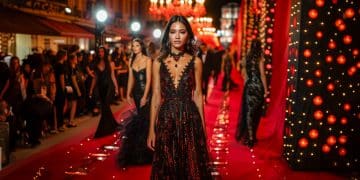
The middle years of this period, 2023-2024, witnessed a significant acceleration in the Red Carpet Style Evolution, characterized by a powerful surge of individualism. Celebrities and their stylists moved beyond conventional glamour, embracing personal style and thematic dressing with unprecedented enthusiasm. This era saw the red carpet transform into a stage for curated narratives and bold artistic expressions.
The influence of social media and the desire for viral moments became increasingly apparent, pushing boundaries in terms of creativity and theatricality. Attendees often dressed in direct homage to film roles, musical themes, or cultural movements, making their outfits part of a larger story. This enhanced the visual spectacle and engagement surrounding these high-profile events.
This period cemented the red carpet as a crucial platform for personal branding, where fashion choices resonated far beyond the event itself. It was a time when the lines between fashion, art, and performance blurred, driving the Red Carpet Style Evolution into exciting new territories. The impact of these years continues to shape current trends.
Thematic Storytelling Through Fashion
Red carpet events became less about simply looking good and more about telling a story. Whether aligning with a film’s premiere, an awards show’s theme, or a personal statement, garments were chosen to create a cohesive narrative.
This elevated fashion from mere clothing to a form of wearable art. Stylists worked closely with designers to craft unique, often bespoke, ensembles that spoke volumes without uttering a word.
This artistic approach resonated deeply with audiences, who were increasingly engaged in deciphering the meanings behind each choice. The thoughtfulness behind these looks was undeniable.
- Met Gala themes heavily influenced other red carpet events.
- Direct references to film characters or historical figures became common.
- Political and social statements were subtly woven into ensembles.
Breaking Gender Norms and Fluidity
A notable aspect of the 2023-2024 Red Carpet Style Evolution was the increasing embrace of gender fluidity in fashion. Traditional sartorial boundaries blurred as male celebrities donned skirts, dresses, or avant-garde suits, and female celebrities experimented with traditionally masculine attire. This reflected broader societal conversations about identity.
This progressive movement challenged long-standing conventions of what constitutes ‘appropriate’ red carpet attire for different genders. It celebrated self-expression and pushed for a more inclusive definition of glamour. The red carpet became a powerful stage for advocating for diversity and individual freedom in style.
Designers responded by creating more gender-neutral collections and custom pieces that defied categorization, further fueling this important shift. This fluidity is now an integral part of the ongoing Red Carpet Style Evolution, influencing future collections and celebrity choices.
2025: Anticipating the Hybrid Fashion Landscape
As we approach 2025, the Red Carpet Style Evolution is poised for a significant hybrid transformation. This year is expected to be a bridge, blending the theatricality of previous seasons with a stronger emphasis on technological integration and practical sustainability. The red carpet will likely showcase innovative textiles and smart garments, signaling a future where fashion and technology are inextricably linked.
Designers are increasingly experimenting with materials that offer both aesthetic appeal and environmental responsibility. This includes bio-fabricated fabrics, recycled synthetics, and pieces designed for longevity. The focus shifts from fast fashion to thoughtful, impactful creations that tell a story of conscious luxury and the Red Carpet Style Evolution.
Celebrities will continue to leverage their platforms to champion social causes through their attire, with sustainability and ethical production becoming key considerations. This year will set the tone for what will truly dominate in 2026, marking a period of intense experimentation and refinement within the Red Carpet Style Evolution.
Technological Integration in Garments
The runway has already seen glimpses of wearable tech, and 2025 is expected to bring this to the red carpet. Expect to see dresses with embedded LED lights, fabrics that react to environmental changes, or garments featuring augmented reality elements. This integration will offer new ways for celebrities to interact with their outfits.
Such innovations are not merely gimmicks but represent a deeper exploration of how technology can enhance aesthetic and functional aspects of clothing.
The goal is to create visually stunning and conversation-sparking pieces that highlight cutting-edge design. This push towards innovation is a critical part of the Red Carpet Style Evolution.
- Smart fabrics with temperature control or interactive displays.
- Augmented reality filters designed to complement specific outfits.
- Bioluminescent materials creating ethereal glows on the carpet.
Redefined Luxury and Craftsmanship
In 2025, luxury will be redefined to encompass not just exclusivity but also ethical sourcing and unparalleled craftsmanship. There will be an increased appreciation for handmade details, artisanal techniques, and bespoke tailoring that emphasizes quality over quantity. This reflects a more discerning approach to high fashion.
Designers will likely showcase intricate embroidery, hand-painted details, and unique fabric manipulations that highlight human skill. This return to artisanal values will stand in contrast to mass-produced luxury, making each red carpet look truly unique and a testament to dedicated artistry. The Red Carpet Style Evolution emphasizes depth and meaning.
This emphasis also extends to the narrative behind each piece, with stories of the artisans and the creative process becoming part of the garment’s appeal. It’s about celebrating the human touch in an increasingly digital world, reinforcing the value of bespoke creations in the Red Carpet Style Evolution.
What’s Dominating in 2026: The Future of Red Carpet Glamour
Looking ahead to 2026, the Red Carpet Style Evolution is projected to culminate in a landscape where sustainability, technological innovation, and extreme personalization are not just trends, but foundational pillars. The red carpet will be dominated by designs that are both visually spectacular and deeply conscious, reflecting a holistic approach to fashion. Expect to see highly conceptual pieces that challenge traditional notions of glamour.
The emphasis will be on garments that tell a comprehensive story, from their origin and construction to their aesthetic impact and future lifecycle. This future vision of red carpet style will be less about fleeting trends and more about timeless statements of intent and innovation. The Red Carpet Style Evolution will be marked by purpose.
Celebrities will become even more influential as fashion ambassadors, using their choices to champion causes and showcase avant-garde designs that push the industry forward. The red carpet of 2026 will be a dynamic intersection of art, science, and ethics, truly defining the next chapter in the Red Carpet Style Evolution.
Hyper-Personalization and Digital Couture
In 2026, hyper-personalization will reach new heights, with digital couture playing a significant role. Designers will utilize 3D printing, AI-driven design, and virtual fittings to create garments that are perfectly tailored and uniquely expressive for each celebrity. This will allow for intricate details and complex structures previously impossible.
The concept of a ‘digital twin’ garment, where a virtual version exists alongside the physical, could also become prevalent, allowing for interactive experiences and innovative marketing. This blending of physical and digital will offer unparalleled creative freedom. The Red Carpet Style Evolution embraces the metaverse.
This focus on individual expression will mean fewer mass-produced looks and more one-of-a-kind creations. Each outfit will be a bespoke masterpiece, reflecting the wearer’s unique identity and the designer’s innovative vision. This is the ultimate expression of the Red Carpet Style Evolution.
Circular Fashion and Ethical Production
By 2026, circular fashion principles will be deeply embedded in red carpet attire. Garments will be designed with their end-of-life in mind, utilizing biodegradable materials, modular components for easy repair, or designs that can be fully recycled. This commitment to sustainability will be a non-negotiable aspect of high fashion.
Ethical production, including fair labor practices and transparent supply chains, will also be paramount. Brands that demonstrate genuine commitment to these values will gain significant prestige and preference. The red carpet will celebrate not just beauty, but also responsibility and integrity, showcasing the pinnacle of the Red Carpet Style Evolution.
This shift will influence consumer behavior beyond the red carpet, as the visibility of these practices inspires broader adoption. The future of glamour is intrinsically linked with a profound respect for the planet and its people, marking a conscious direction for the Red Carpet Style Evolution.
The Influence of Celebrity Stylists and Social Media
The role of celebrity stylists has become increasingly critical in navigating the complex world of the Red Carpet Style Evolution. These fashion architects are no longer just selecting garments; they are crafting narratives, managing brand relationships, and often shaping public opinion. Their expertise is indispensable in creating memorable and impactful red carpet moments.
Social media platforms have amplified the reach and influence of red carpet fashion, turning every appearance into a global event. A single outfit can generate millions of impressions, sparking trends and driving conversations worldwide. This immediate feedback loop pushes stylists and celebrities to be constantly innovative and daring in their choices.
The pressure to stand out and create viral content has undeniably fueled the rapid pace of the Red Carpet Style Evolution. It’s a symbiotic relationship where stylists leverage social media for exposure, and social media thrives on the spectacle created by their work. This dynamic continues to redefine celebrity fashion.
Stylists as Creative Directors
Modern celebrity stylists are akin to creative directors, overseeing every aspect of a red carpet look. From concept development to sourcing and fitting, their vision is crucial in translating a celebrity’s persona into a cohesive fashion statement. They merge artistic flair with strategic thinking to ensure maximum impact.
Their work involves extensive research into current trends, historical fashion, and upcoming collections, often forging close relationships with designers.
This collaborative process results in unique ensembles that often debut on the red carpet, setting new benchmarks for style. The Red Carpet Style Evolution owes much to their vision.
- Curating complete looks from head-to-toe, including accessories and hair.
- Negotiating exclusive designs and brand partnerships.
- Anticipating and setting micro-trends for subsequent seasons.
Social Media’s Instant Impact
The immediacy of social media means that red carpet looks are analyzed, praised, or critiqued within minutes of their debut. This instant feedback loop has transformed how fashion is consumed and discussed. It also places immense pressure on celebrities and stylists to deliver consistently compelling looks that resonate with a global audience.
Platforms like Instagram, TikTok, and X (formerly Twitter) serve as virtual front rows, allowing millions to engage with red carpet fashion in real-time. This democratizes fashion commentary and gives rise to new influencers who shape public perception. The Red Carpet Style Evolution is truly a global conversation.
The viral potential of a single outfit can launch a designer’s career or solidify a celebrity’s status as a style icon. This high-stakes environment ensures that every red carpet appearance is carefully planned and executed, contributing significantly to the ongoing Red Carpet Style Evolution.
The Evolving Definition of Glamour
The Red Carpet Style Evolution has dramatically reshaped our understanding of glamour. What was once synonymous with classic Hollywood elegance or overt opulence has now broadened to encompass a spectrum of expressions, including sustainability, gender fluidity, and technological integration. Glamour is no longer a monolithic concept but a multifaceted ideal that reflects contemporary values.
This expanded definition allows for greater creativity and authenticity on the red carpet. Celebrities can choose to embody traditional sophistication, avant-garde artistry, or conscious consumerism, all under the umbrella of modern glamour. The red carpet has become a mirror reflecting the diverse and evolving tastes of society, showcasing the ongoing Red Carpet Style Evolution.
The shift signifies a move towards more meaningful fashion choices, where impact and intention are as important as aesthetic appeal. This richer interpretation of glamour ensures that red carpet fashion remains relevant and exciting, perpetually adapting to new cultural landscapes and furthering the Red Carpet Style Evolution.
Beyond Traditional Silhouettes
The days of strictly ball gowns and tuxedos dominating the red carpet are evolving. While these classics still hold their place, there’s an increasing acceptance and celebration of more unconventional silhouettes. This includes architectural designs, deconstructed forms, and avant-garde pieces that challenge traditional garment construction.
Designers are pushing boundaries with unexpected materials and innovative tailoring techniques, creating looks that are sculptural and artistic.
This departure from the conventional adds an element of surprise and intellectual curiosity to red carpet events. The Red Carpet Style Evolution thrives on this creative freedom.
- Asymmetrical cuts and unconventional draping.
- Exploration of volume and proportion in new ways.
- Integration of non-traditional elements like hardware or industrial materials.
The Impact of Personal Narratives
Modern glamour is deeply intertwined with personal narratives. Celebrities are increasingly using their red carpet appearances to convey messages about their identities, values, or projects. This imbues their fashion choices with deeper meaning, making their looks more resonant and memorable than ever before.
Whether it’s a nod to their heritage, a statement about a cause they support, or an homage to an artistic influence, these personal touches elevate the outfit beyond mere clothing. They transform it into a powerful form of communication. This emphasis on storytelling is a defining feature of the current Red Carpet Style Evolution.
This adds layers of interpretation and engagement for the audience, who appreciate the authenticity and thought behind these sartorial statements. The red carpet becomes a platform for genuine self-expression, fostering a more intimate connection between celebrities and their fans, driving the Red Carpet Style Evolution.
Forecasting Key Trends for 2026
As the Red Carpet Style Evolution continues its trajectory towards 2026, several key trends are emerging as dominant forces. These forecasts are based on current industry innovations, societal shifts, and the accelerating pace of technological integration in fashion. Expect a red carpet that is more interactive, personalized, and deeply committed to ethical practices.
The intersection of digital artistry and physical craftsmanship will define the aesthetic of 2026. Garments will not only be beautiful but will also embody a narrative of progress, whether through their sustainable origins or their innovative use of smart technology. The red carpet will serve as a showcase for fashion’s most forward-thinking ideas, reflecting the pinnacle of the Red Carpet Style Evolution.
These trends suggest a future where red carpet fashion is not just about what is worn, but also about the story it tells, the values it represents, and the boundaries it pushes. The Red Carpet Style Evolution is moving towards a more thoughtful and impactful form of glamour, setting new standards for the global fashion stage.
Interactive and Dynamic Garments
The red carpet of 2026 will likely feature garments that are not static but dynamic and interactive. Imagine dresses that change color or pattern with the wearer’s mood, or outfits that incorporate flexible screens displaying custom visuals. This level of interaction will transform the red carpet experience into a live, evolving art installation.
These designs will leverage advanced materials and micro-electronics, allowing for unprecedented levels of customization and expression.
The visual spectacle will be enhanced by clothing that responds to its environment or the wearer’s movements, creating truly unforgettable moments. This is a significant leap in the Red Carpet Style Evolution.
- Color-changing fabrics activated by light or touch.
- Integrated projectors creating ephemeral patterns on gowns.
- Garments with sound-reactive elements for musical events.
The Ascendancy of Bio-Couture
Bio-couture, fashion made from living organisms or biologically engineered materials, is expected to become a prominent feature by 2026. This includes dresses grown from fungi, textiles dyed with bacteria, or accessories made from lab-grown leather. This represents the ultimate fusion of science, sustainability, and high fashion in the Red Carpet Style Evolution.
These innovations offer exciting possibilities for creating unique textures, natural colors, and truly sustainable garments that leave minimal environmental footprints. The aesthetic will be organic and futuristic, appealing to a generation increasingly concerned with ecological impact. This is where the Red Carpet Style Evolution truly breaks new ground.
The narrative behind bio-couture is compelling, offering a vision of luxury that is both cutting-edge and deeply responsible. It will challenge conventional notions of materials and production, positioning the red carpet as a leader in sustainable innovation and driving the Red Carpet Style Evolution forward.
Challenges and Opportunities in Red Carpet Fashion
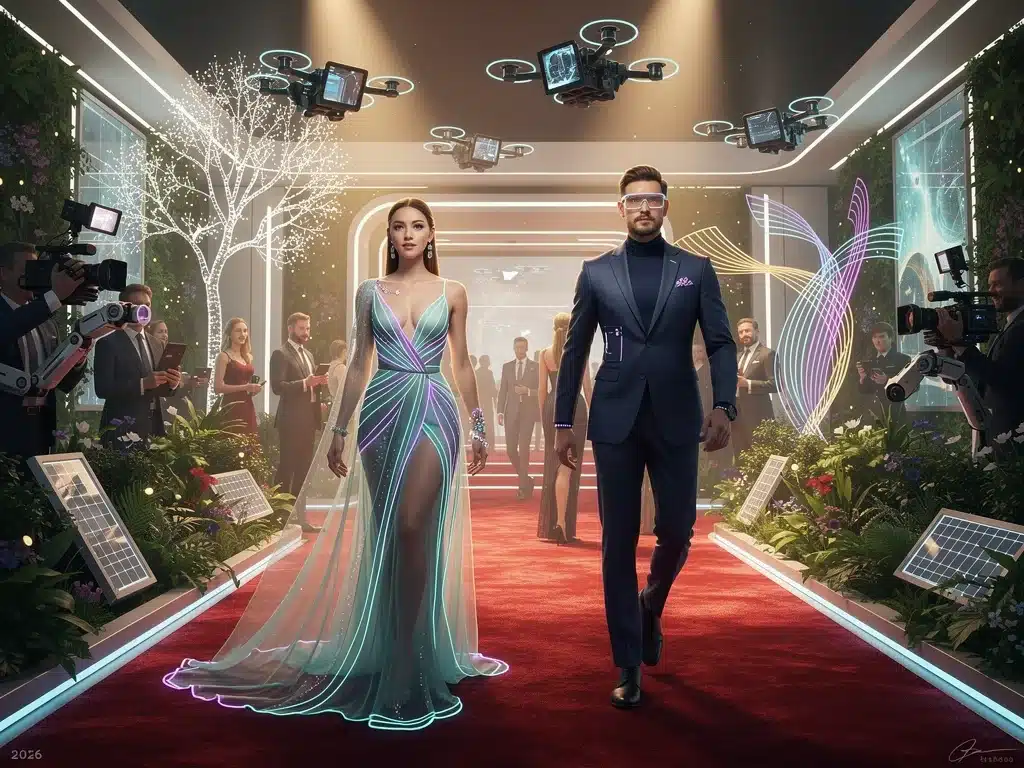
The ongoing Red Carpet Style Evolution presents both significant challenges and unparalleled opportunities for the fashion industry. The pressure to innovate continually, coupled with growing demands for sustainability and inclusivity, requires designers and stylists to push creative boundaries like never before. Meeting these expectations while maintaining artistic integrity is a delicate balance.
One of the main challenges lies in sourcing and developing truly sustainable materials and ethical production methods at a high-fashion scale. This often involves significant investment in research and development, as well as re-evaluating traditional supply chains. The industry must adapt quickly to these new paradigms, which define the Red Carpet Style Evolution.
However, these challenges also open doors for groundbreaking creativity and the emergence of new talent. Designers who can successfully integrate technology, sustainability, and personalization will define the future of red carpet glamour, seizing the opportunities presented by the dynamic Red Carpet Style Evolution.
Navigating Ethical Demands
The demand for ethical fashion on the red carpet is no longer a niche concern but a mainstream expectation. This includes ensuring fair wages for garment workers, transparent supply chains, and minimal environmental impact throughout the production process. Brands that fail to meet these standards risk public backlash and damage to their reputation.
This necessitates a deeper level of accountability from designers and fashion houses, urging them to adopt more responsible practices.
It’s about creating beauty without compromise, ensuring that the glamour on display aligns with a strong moral compass. This ethical compass is steering the Red Carpet Style Evolution.
- Certification for sustainable materials and labor practices.
- Increased transparency regarding garment origins and production.
- Collaborations with organizations promoting ethical fashion.
Fostering New Talent and Innovation
The rapid pace of the Red Carpet Style Evolution creates a fertile ground for new designers and innovative approaches. Emerging talents who can offer fresh perspectives on sustainability, technology, and inclusive design are gaining significant traction. The industry is actively seeking out voices that can push fashion into uncharted territories.
This provides an opportunity for smaller, independent brands to gain global recognition on the red carpet, challenging the dominance of established luxury houses. The focus is shifting towards genuine innovation and unique artistic visions, regardless of the brand’s legacy. This democratizes access to the elite fashion stage, enhancing the Red Carpet Style Evolution.
Mentorship programs, design competitions, and celebrity endorsements are playing a crucial role in nurturing this new wave of talent. The future of red carpet fashion will be shaped by those bold enough to experiment and redefine what is possible, driving the Red Carpet Style Evolution forward.
| Key Trend | Description |
|---|---|
| Sustainability | Growing focus on eco-friendly materials and ethical production. |
| Technological Integration | Wearable tech and smart fabrics becoming more prevalent. |
| Gender Fluidity | Blurring of traditional gender lines in red carpet attire. |
| Hyper-Personalization | Custom designs reflecting unique celebrity identities and narratives. |
Frequently Asked Questions About Red Carpet Style Evolution
The Red Carpet Style Evolution has shifted from traditional glamour to embracing bolder individualism, thematic dressing, and early sustainability efforts. Post-pandemic, there was a resurgence of vibrant colors and dramatic silhouettes, setting the stage for more experimental and conscious fashion choices across various events.
Technology is expected to dominate 2026’s Red Carpet Style Evolution through interactive garments, smart fabrics, and digital couture. Expect 3D printing and AI-driven design for hyper-personalized outfits, alongside potential augmented reality elements. This integration promises dynamic and visually captivating fashion statements.
Yes, sustainability is an increasingly significant factor in the Red Carpet Style Evolution. From 2021, there’s been a growing emphasis on vintage, upcycled, and eco-conscious designs. By 2026, circular fashion principles, bio-couture, and ethical production are anticipated to be foundational, making conscious luxury paramount on the red carpet.
Celebrity stylists are crucial in the Red Carpet Style Evolution, acting as creative directors who craft narratives and manage brand relationships. They curate bespoke looks that reflect personal branding and thematic storytelling, often setting trends that resonate globally through social media. Their influence drives innovation and visual impact.
By 2026, gender fluidity is expected to be a staple in red carpet fashion, further blurring traditional sartorial lines. Celebrities will continue to embrace gender-neutral designs and challenge conventions, reflecting broader societal discussions on identity. This will lead to more inclusive and expressive fashion choices, enhancing the Red Carpet Style Evolution.
Looking Ahead: The Future of Red Carpet Statements
The Red Carpet Style Evolution is clearly moving towards a future defined by innovation, responsibility, and profound personal expression. What began as a post-pandemic celebration has transformed into a sophisticated blend of art, science, and ethics. It is worth following how designers continue to integrate cutting-edge technology and sustainable practices, as these will shape not only red carpet events but also broader fashion trends.
The role of celebrities as cultural ambassadors, using their platform to champion values through fashion, will only amplify. Their choices will continue to inspire and challenge the industry, driving further advancements in materials and design. The ongoing Red Carpet Style Evolution is a testament to fashion’s power as a mirror of societal change.
Monitoring the upcoming awards seasons and fashion weeks will provide crucial insights into how these anticipated trends solidify. The red carpet of 2026 promises to be a dynamic showcase of fashion’s most exciting and thoughtful innovations, ultimately redefining glamour for a new era and cementing the next phase of the Red Carpet Style Evolution.