The Rise of Vintage on the Red Carpet: 15% More Stars Choose Retro for 2026
Advertisements
The fashion report The Rise of Vintage on the Red Carpet: Why 15% More Stars Are Choosing Retro for 2026 examines the structural shift from newly designed couture to pre-owned, archival garments.
This concise summary outlines the main drivers behind this 15% increase, explains why it matters for sustainability and luxury branding, and highlights what trend analysts and consumers should monitor next in American fashion.
The Resurgence of Timeless Glamour on the Red Carpet
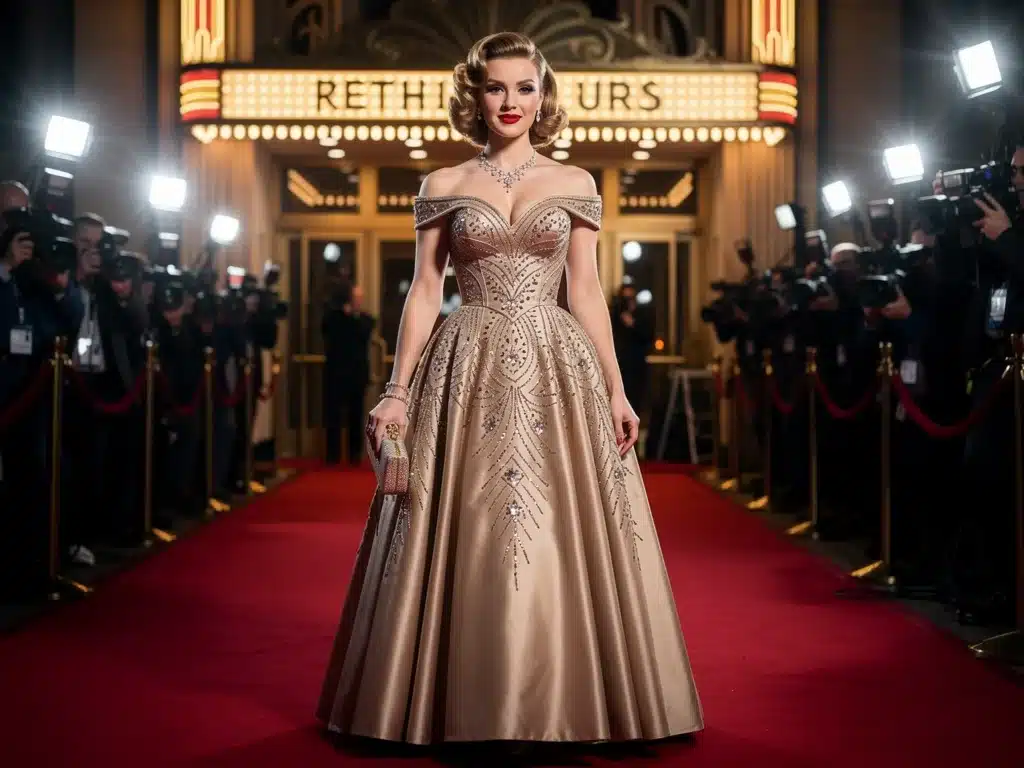
The red carpet, historically a showcase for cutting-edge fashion and bespoke designs, is undergoing a transformative period.
An increasing number of A-list celebrities are deliberately choosing vintage pieces, signaling a profound shift in sartorial priorities.
This movement is not just about aesthetics; it embodies a conscious decision towards sustainability, individuality, and a connection to fashion history.
The allure of one-of-a-kind vintage garments offers a distinct advantage in a landscape saturated with similar designer looks.
The data suggests a clear trajectory: by 2026, a projected 15% more stars will actively embrace this retro movement, solidifying Vintage Red Carpet Style as a dominant force in high fashion events.
Sustainability: A Driving Force Behind Vintage Choices
Environmental consciousness has permeated nearly every industry, and high fashion is no exception. Celebrities are increasingly leveraging their platforms to advocate for sustainable practices, and their red carpet choices reflect this commitment.
Opting for vintage clothing directly addresses concerns about textile waste and the carbon footprint associated with new garment production. This conscious decision resonates deeply with a growing audience that values ethical consumption.
The embrace of vintage fashion aligns perfectly with the broader global movement towards a circular economy, demonstrating that glamour and ecological responsibility can coexist. This makes Vintage Red Carpet Style a powerful statement.
Reducing Fashion’s Environmental Impact
The fashion industry is notoriously resource-intensive, from water usage in cotton production to chemical dyes and transportation emissions. Choosing vintage significantly reduces the demand for new production, lessening this environmental burden.
Each vintage gown worn on the red carpet represents a garment saved from potentially ending up in a landfill, extending its lifecycle and promoting a more sustainable approach to luxury fashion. This shift is both symbolic and impactful.
- Decreased demand for new textile production.
- Reduction in waste from discarded garments.
- Lower carbon footprint associated with manufacturing.
Ethical Considerations and Brand Image
Beyond environmental factors, ethical labor practices in fast fashion supply chains have come under scrutiny. Vintage pieces often predate many of these contemporary issues, offering a more ethically sound choice.
For celebrities, aligning with sustainable and ethical fashion choices enhances their public image and demonstrates a commitment to global issues. This positive association further fuels the trend of Vintage Red Carpet Style.
The Quest for Uniqueness and Historical Significance
In an era where social media amplifies every red carpet appearance, celebrities are under immense pressure to stand out. Vintage fashion offers an unparalleled avenue for individuality and originality that new collections often struggle to match.
Each vintage piece carries a story, a history that adds layers of intrigue and sophistication to an ensemble. This narrative depth transforms a dress into a conversation piece, elevating its wearer beyond mere aesthetics.
Wearing a gown previously donned by a Hollywood legend or a rarely seen archival piece provides a unique connection to fashion’s past, making Vintage Red Carpet Style a powerful statement of personal taste and historical appreciation.
Archival Access and Curated Collections
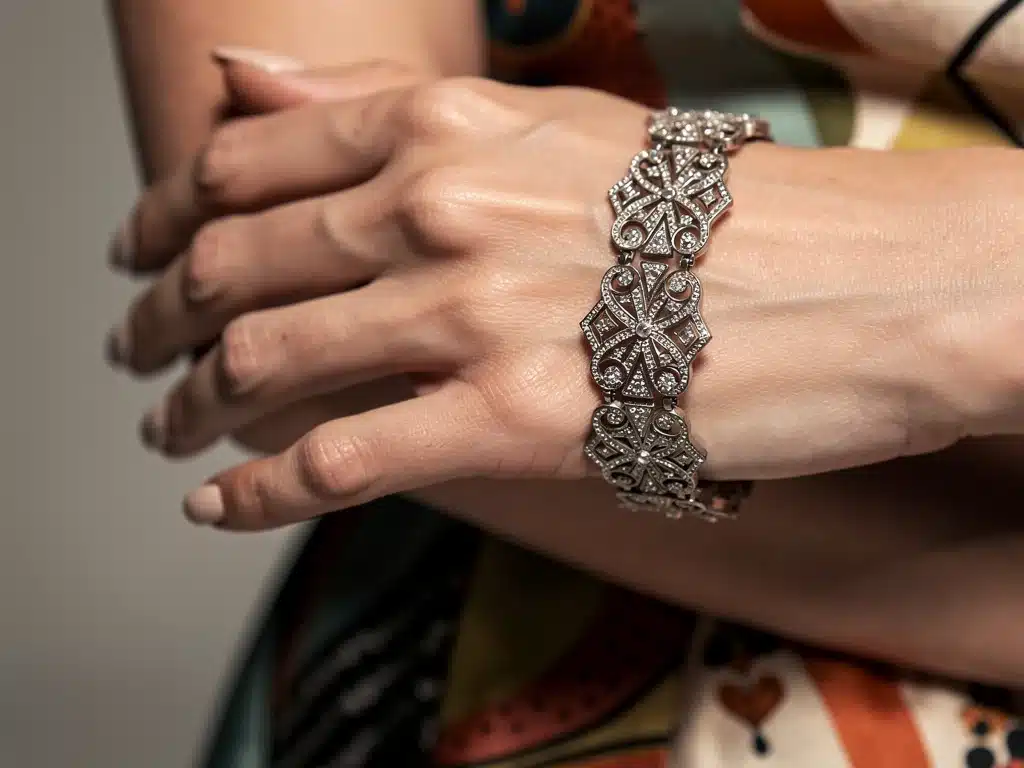
Major fashion houses and luxury brands are increasingly opening their archives to stylists and celebrities, making iconic vintage pieces more accessible.
This curated access allows for carefully selected garments that perfectly match a star’s persona or an event’s theme.
The process of sourcing and styling vintage requires a keen eye and deep knowledge of fashion history, often involving specialized vintage dealers and expert archivists. This level of curation adds to the exclusivity and allure.
- Exclusive access to fashion house archives.
- Collaboration with expert vintage dealers and stylists.
- Opportunity to wear truly one-of-a-kind garments.
A Nod to Fashion’s Golden Eras
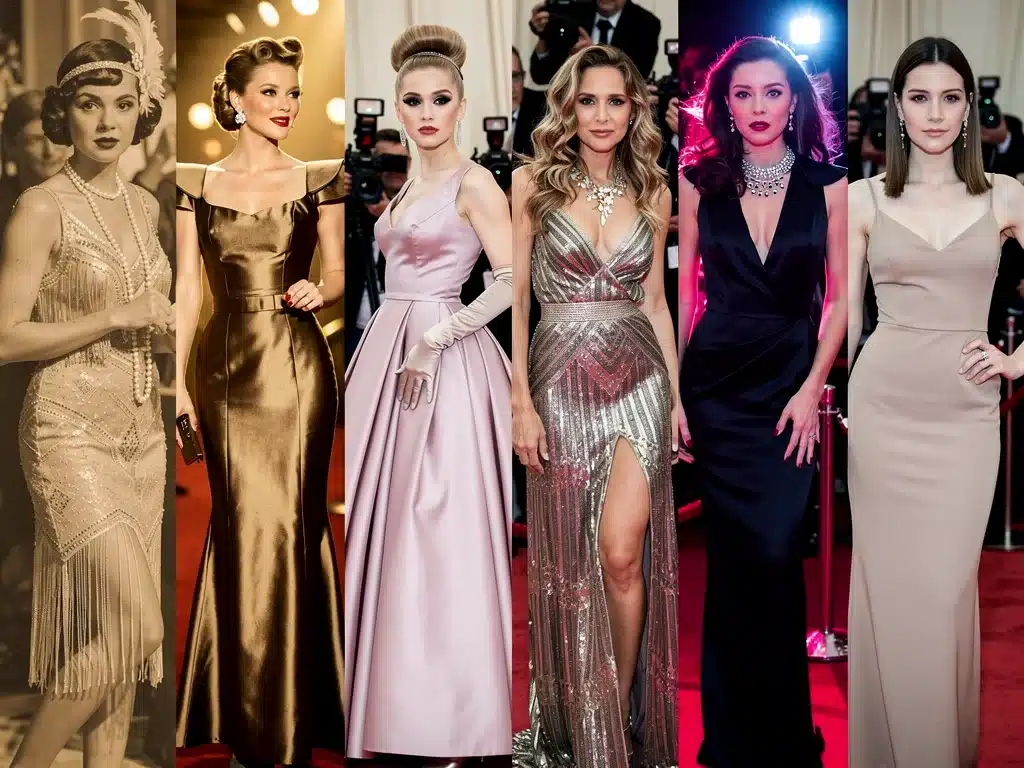
Many vintage pieces hail from eras celebrated for their unparalleled glamour and craftsmanship, such as the Golden Age of Hollywood, the roaring twenties, or the elegant fifties.
These periods produced designs that remain timeless and universally admired.
Wearing a piece from these eras is not just a fashion choice; it’s a homage to the artistry and legacy of designers who shaped modern fashion. This historical reverence is a key component of Vintage Red Carpet Style‘s appeal.
Economic Factors and the Value of Pre-Owned Luxury
While often associated with luxury, the decision to wear vintage can also be influenced by economic considerations, particularly in a volatile market. The investment value of certain vintage pieces can be significant.
High-end vintage garments, especially those from renowned designers or with historical provenance, can appreciate in value, making them more than just a fleeting fashion statement. They become wearable assets.
This economic aspect, combined with the inherent uniqueness and sustainability benefits, makes Vintage Red Carpet Style an increasingly attractive option for celebrities and their teams managing image and investments.
Smart Styling and Budget Allocation
For some celebrities, particularly those earlier in their careers or with smaller endorsement deals, vintage offers an opportunity to achieve high-impact looks without the exorbitant costs associated with custom couture.
This allows for strategic budget allocation.
Stylists are adept at mixing high-end vintage finds with more accessible contemporary pieces, creating dynamic and memorable ensembles that defy traditional luxury pricing models. This smart approach broadens the appeal of vintage.
- Cost-effectiveness compared to new couture.
- Potential for investment and appreciation in value.
- Strategic budget allocation for high-impact looks.
The Rise of the Resale Market
The booming luxury resale market has made high-quality vintage more accessible and socially acceptable than ever before. Platforms specializing in pre-owned designer goods have legitimized and popularized the concept of second-hand luxury.
This robust market infrastructure supports the vintage trend on the red carpet by providing reliable sources for authentic, well-preserved pieces.
The ease of access and verification further encourages celebrities to explore these options for their public appearances.
Impact on Fashion Industry and Future Trends
The increasing prominence of Vintage Red Carpet Style is sending clear signals to the broader fashion industry.
Designers are now more likely to draw inspiration from their archives, and some are even incorporating vintage elements into new collections.
This trend challenges the traditional fashion cycle of constant newness, promoting instead a more thoughtful and enduring approach to design. It encourages a deeper appreciation for craftsmanship and timelessness over ephemeral trends.
As 15% more stars gravitate towards retro looks by 2026, the industry will undoubtedly adapt, leading to innovations in sustainable production and a renewed focus on design longevity. This shift is poised to redefine luxury fashion.
Shifting Consumer Perceptions
Celebrity endorsement of vintage fashion has a powerful trickle-down effect on consumer behavior. When A-listers choose pre-owned, it destigmatizes second-hand clothing and elevates its perceived value and desirability for the general public.
This shift encourages consumers to consider vintage as a viable, stylish, and responsible alternative to fast fashion, influencing purchasing decisions and fostering a more conscious consumer base. The impact extends far beyond the red carpet.
Challenges and Considerations for Vintage Red Carpet Style
While the trend towards vintage fashion on the red carpet is strong, it is not without its challenges.
Sourcing perfect-condition pieces, ensuring authenticity, and handling delicate historical garments require specialized expertise and significant effort.
The fit and alteration of vintage clothing can also be more complex than custom-made couture, often requiring skilled restoration and tailoring to achieve the flawless red carpet look. This adds another layer of complexity to the styling process.
Despite these hurdles, the benefits of uniqueness, sustainability, and historical resonance continue to outweigh the difficulties, ensuring the sustained growth of Vintage Red Carpet Style in the coming years.
Authenticity and Preservation
Verifying the authenticity of vintage pieces is crucial, especially for high-value items, to prevent counterfeits. This often involves working with reputable vintage dealers and fashion historians who can confirm provenance.
Proper preservation and restoration are also paramount to ensure that delicate fabrics and intricate details are maintained. This specialized care is essential for garments that may be decades or even a century old.
- Ensuring authenticity through expert verification.
- Careful preservation and restoration of delicate fabrics.
- Challenges in altering historical garments for a perfect fit.
The Cultural Impact of Retro Fashion Choices
The embrace of vintage on the red carpet extends beyond mere fashion; it has a significant cultural impact. It encourages a dialogue about fashion history, the evolution of style, and the enduring power of classic designs.
By showcasing garments from different eras, celebrities introduce younger generations to historical aesthetics and design philosophies, fostering a deeper appreciation for the artistry of past designers.
This cultural re-engagement with historical fashion solidifies the position of Vintage Red Carpet Style as not just a trend, but a movement that enriches our understanding of fashion’s continuous narrative.
| Key Aspect | Description |
|---|---|
| Growth Projection | 15% increase in celebrity vintage choices by 2026. |
| Primary Drivers | Sustainability, uniqueness, and economic factors. |
| Industry Impact | Influences design, production, and consumer perceptions. |
| Challenges | Sourcing, authenticity, and preservation complexities. |
Frequently Asked Questions About Vintage Red Carpet Style
Celebrities are increasingly opting for vintage due to a combination of factors including a growing emphasis on sustainability, the desire for unique and distinctive looks, and the historical significance attached to specific garments. This trend also offers economic advantages over new couture.
This projection indicates a significant increase in the adoption of vintage fashion on the red carpet, moving beyond occasional appearances to a more mainstream and accepted practice among A-list talent. It reflects a lasting shift in industry norms and personal style choices.
Wearing vintage reduces the demand for new garment production, thereby decreasing textile waste, water consumption, and the carbon footprint associated with manufacturing. It promotes a circular economy and extends the lifespan of existing high-quality fashion pieces.
Yes, challenges include sourcing pieces in pristine condition, verifying authenticity, and ensuring proper preservation and delicate alterations. These require specialized knowledge and a dedicated team of stylists and archivists to manage effectively.
The trend fosters a deeper appreciation for fashion history, encourages dialogue about timeless design, and introduces classic aesthetics to new audiences. It also influences consumer behavior, destigmatizing second-hand luxury and promoting conscious consumption.
Looking Ahead
The ascent of Vintage Red Carpet Style is more than a fleeting fashion moment; it represents a fundamental shift in how celebrities and the industry approach glamour, sustainability, and personal expression.
As 2026 approaches, the predicted 15% increase in retro choices will solidify vintage as a cornerstone of high-profile events.
This evolution will undoubtedly inspire broader consumer trends, pushing the boundaries of what is considered fashionable and responsible in the world of luxury.
The implications for design, production, and consumer values are profound, signaling a more conscious and historically rich future for fashion.
This shift highlights a broader cultural movement where archival luxury items are no longer just sustainable alternatives, but the ultimate markers of taste and exclusivity.
For a deeper look into how wearing archival garments has evolved into a modern flex, read about the rise of vintage fashion as a status symbol on The Zoe Report.