Iconic Red Carpet Moments: 5 Legendary Looks & 2026 Fashion
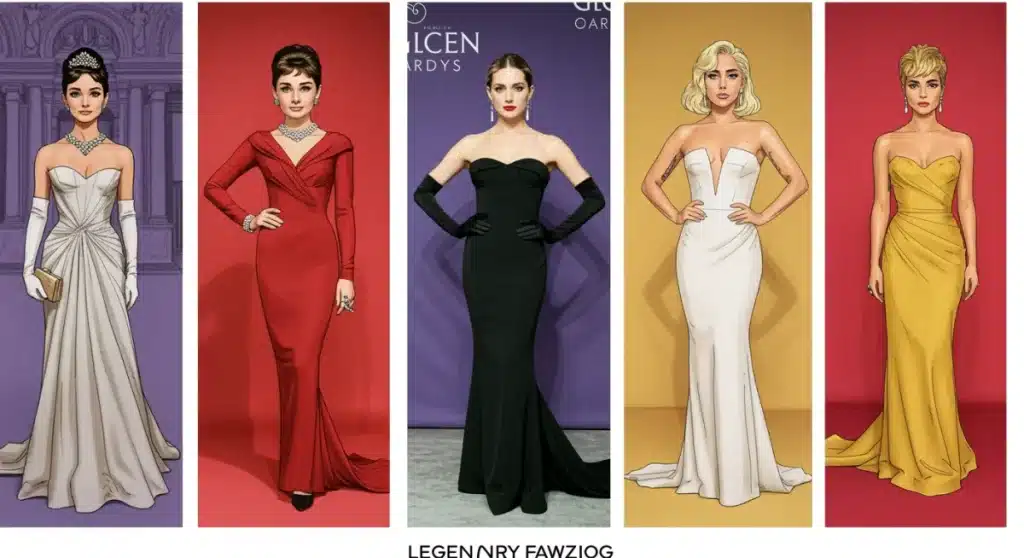
Analyzing five truly iconic red carpet fashion moments reveals their profound and enduring influence, shaping not only past style but also dictating emerging trends for 2026 and beyond, proving their timeless relevance.
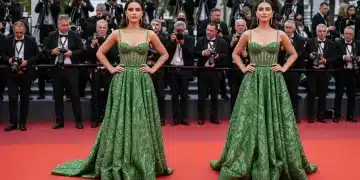
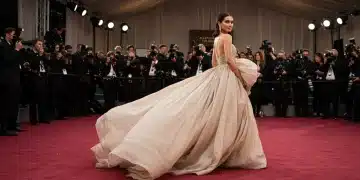
The red carpet is more than just a walkway; it’s a powerful stage where fashion history is made. Each year, global audiences eagerly anticipate the unveiling of ensembles that transcend mere clothing, becoming cultural touchstones. These iconic red carpet fashion moments not only define an era but also cast a long shadow, continuing to shape trends and inspire designers well into the future, including what we anticipate for 2026.
Audrey Hepburn’s Givenchy: Timeless Grace and Enduring Influence
Audrey Hepburn’s collaboration with Hubert de Givenchy created a sartorial legacy that remains unparalleled. Her choices for the Academy Awards were consistently understated yet profoundly impactful, setting a standard for sophisticated elegance that resonates even today. These looks weren’t about flashy statements but about refined beauty.
Hepburn’s style transcended trends, embodying a timeless grace that continues to inspire. Her approach to fashion emphasized clean lines, exquisite tailoring, and an innate understanding of how to dress for one’s figure. This minimalist yet luxurious aesthetic is a blueprint for enduring style.
The 1954 Academy Awards gown
For the 1954 Academy Awards, where she won for ‘Roman Holiday,’ Audrey Hepburn wore a white floral Givenchy gown. This dress, originally designed for her character in the film, was subtly altered for the red carpet. It featured delicate embroidery and a cinched waist, exuding youthful sophistication.
- Elegant Simplicity: The gown’s design was deceptively simple, focusing on impeccable fit and subtle detailing rather than overt glamour.
- Personal Connection: The dress had a unique connection to her film role, adding a layer of narrative to her red carpet appearance.
- Lasting Impact: This look cemented her status as a fashion icon, proving that less can indeed be more on the grandest stages.
The influence of Hepburn’s 1954 look is still visible. Designers for 2026 are revisiting classic silhouettes and focusing on high-quality fabrics and subtle embellishments. The emphasis on individual style over fleeting trends, a hallmark of Hepburn’s approach, is making a significant comeback, encouraging personal expression within elegant frameworks.
Her enduring appeal lies in how she made fashion feel accessible yet aspirational. She taught us that true style is about confidence and comfort, not just the label. This philosophy continues to guide contemporary fashion, particularly for those seeking longevity in their wardrobes.
In conclusion, Audrey Hepburn’s Givenchy moments underscore the power of timeless design and personal style. Her red carpet choices set a precedent for elegance that continues to influence modern fashion, proving that true sophistication never goes out of style and will undoubtedly be seen in 2026 collections.
Grace Kelly’s Oscar Gown: Regal Presence and Classic Allure
Grace Kelly, another beacon of classic Hollywood glamour, brought a regal presence to every red carpet she graced. Her fashion choices were always impeccably tailored and exuded an air of aristocratic elegance, foreshadowing her future as Princess of Monaco. Her looks were a masterclass in understated luxury.
Kelly’s style was characterized by its refined femininity and sophisticated silhouette. She favored structured garments that highlighted her graceful posture and serene beauty. Her red carpet appearances were never about shock value but about projecting an image of poised perfection.
The 1955 Academy Awards ensemble
At the 1955 Academy Awards, where she won Best Actress for ‘The Country Girl,’ Grace Kelly wore an ice-blue silk gown by Edith Head. This dress, with its fitted bodice and full skirt, became instantly iconic. Its cool hue and elegant lines perfectly complemented her fair complexion and serene demeanor.
- Color Psychology: The ice-blue color was striking yet soft, conveying a sense of calm sophistication.
- Architectural Silhouette: The gown’s structure was meticulously crafted, creating a statuesque and elegant profile.
- Brand Association: Edith Head, a legendary costume designer, further solidified the gown’s place in fashion history.
The legacy of Grace Kelly’s 1955 gown is evident in the enduring popularity of structured evening wear and the return of sophisticated pastels. For 2026, we’re seeing a resurgence of tailored gowns that emphasize classic femininity and luxurious fabrics. Designers are drawing inspiration from the structured elegance of the 1950s, adapting it for modern sensibilities.
Her ability to look effortlessly chic, even in the most elaborate gowns, continues to inspire. Kelly proved that true glamour is about carriage and confidence, not just the dress itself. This philosophy encourages a more thoughtful approach to dressing.
In summary, Grace Kelly’s Oscar gown remains a powerful symbol of classic allure and regal elegance. Its influence on structured silhouettes, elegant color palettes, and the overall pursuit of refined beauty continues to shape red carpet and high fashion, promising a return to such grandeur in 2026.
Julia Roberts’ Valentino: Vintage Charm and Modern Impact
Julia Roberts’ choice for the 2001 Academy Awards was a bold departure from typical red carpet fare, marking a significant moment for vintage fashion. Her decision to wear a dress from Valentino’s archives brought a refreshing sense of history and individuality to the event, demonstrating fashion’s cyclical nature.
Roberts, known for her charismatic screen presence, extended that charm to her red carpet appearances. Her selection of a vintage gown for such a high-profile event was a statement in itself, promoting sustainability and the timeless appeal of well-crafted designs over ephemeral trends.
The 2001 Academy Awards black and white gown
Julia Roberts accepted her Best Actress Oscar for ‘Erin Brockovich’ in a black and white Valentino gown from the designer’s 1982 collection. The dress featured a black velvet top and a white satin skirt with a dramatic train, adorned with subtle white piping. It was a sophisticated yet unexpected choice that garnered universal praise.
- Vintage Revival: This look brought vintage couture into the mainstream red carpet conversation, inspiring others to explore archival pieces.
- Elegance with a Twist: The gown combined classic elegance with a distinct personality, reflecting Roberts’ own unique charm.
- Cultural Resonance: It became one of the most memorable Oscar dresses, celebrated for its beauty and its message about sustainable fashion.
The impact of Julia Roberts’ Valentino dress is still profoundly felt, particularly in the growing movement towards sustainable fashion and the appreciation for archival pieces. For 2026, we anticipate an even greater emphasis on vintage and upcycled couture on the red carpet. Designers are exploring ways to integrate historical elements into modern collections, creating unique and meaningful garments.
Her choice highlighted that true style isn’t just about what’s new, but what’s enduring and meaningful. It encouraged a shift in perception, valuing craftsmanship and history. This thoughtful approach to fashion is gaining traction among environmentally conscious consumers.
Ultimately, Julia Roberts’ vintage Valentino gown was a pivotal moment, blending classic charm with a modern message. Its influence on sustainable fashion practices and the appreciation for timeless design continues to resonate, shaping a future where fashion is both beautiful and responsible, a key consideration for 2026 trends.
Angelina Jolie’s Leg Slit: Boldness and Empowerment
Angelina Jolie’s appearance at the 2012 Academy Awards was a masterclass in confident, powerful glamour. Her choice of gown, specifically its daring thigh-high slit, became an instant sensation, sparking countless memes and solidifying her status as a fashion force. It was a moment of unapologetic self-expression.
Jolie consistently uses the red carpet as a platform to project strength and sophistication. Her style is often characterized by sleek lines, dramatic silhouettes, and a certain undeniable allure. This particular look was no exception, perfectly encapsulating her commanding presence.
The 2012 Academy Awards black velvet gown
For the 2012 Oscars, Angelina Jolie wore a black Atelier Versace velvet gown with a dramatically high slit that exposed her right leg. Her posed stance, with her leg prominently displayed, became one of the most photographed moments of the night. The look was daring, elegant, and instantly iconic.
- Strategic Styling: The pose itself was as much a part of the look as the dress, amplifying its impact.
- Empowerment Message: It conveyed a sense of confidence and female empowerment, challenging traditional notions of red carpet modesty.
- Pop Culture Phenomenon: The ‘Jolie-ing’ pose went viral, demonstrating the power of a single fashion moment to permeate popular culture.
The lasting influence of Angelina Jolie’s leg-slit gown is evident in the continued popularity of high-slit dresses on red carpets and in evening wear collections. For 2026, designers are still playing with daring leg slits, but often with more nuanced approaches, incorporating them into asymmetrical designs or unexpected fabrics. The emphasis remains on confident, body-positive dressing.
Her moment redefined what was acceptable on the red carpet, pushing boundaries while maintaining an undeniable elegance. It showed that embracing one’s sensuality can be powerful and chic. This liberation in dressing continues to inspire new generations of designers and celebrities.
In conclusion, Angelina Jolie’s 2012 Oscar gown was a pivotal moment for bold, empowering fashion. Its impact on daring silhouettes and confident self-expression continues to shape red carpet style, influencing trends that celebrate strength and individuality, likely to be prominent in 2026 fashion.
Lady Gaga’s Meat Dress: Avant-Garde Statement and Provocative Art
Lady Gaga is synonymous with boundary-pushing fashion, and her 2010 MTV Video Music Awards ‘meat dress’ stands as perhaps her most audacious statement. This look transcended fashion, becoming a piece of performance art that sparked global debate and cemented her reputation as a fearless innovator. It was a challenge to conventional aesthetics.
Gaga’s approach to fashion is always conceptual, often using clothing to comment on societal norms, art, and celebrity culture. Her red carpet choices are never merely outfits; they are carefully constructed narratives designed to provoke thought and discussion.
The 2010 MTV Video Music Awards meat dress
Designed by Franc Fernandez, Lady Gaga wore a dress made entirely of raw beef to the 2010 MTV VMAs. This highly controversial outfit was intended to protest the ‘Don’t Ask, Don’t Tell’ policy regarding gay people in the military. It was a visceral, unforgettable statement that blended fashion with activism.
- Art as Fashion: The dress blurred the lines between fashion, art, and political commentary, creating a truly multidisciplinary statement.
- Shock Value: Its provocative nature ensured maximum media attention and generated widespread discussion about its meaning.
- Activist Message: Beyond the shock, the dress carried a significant message about human rights and identity.
The influence of Lady Gaga’s meat dress, while not directly replicable in mainstream fashion, lies in its spirit of avant-garde experimentation and the use of fashion for social commentary. For 2026, we expect to see continued pushes against traditional norms, with designers and celebrities using unconventional materials and conceptual designs to make statements. The boundary between art and fashion will become even more fluid.
Her fearless approach opened doors for other artists to use fashion as a medium for protest and personal expression. It proved that clothing can be a potent tool for communication, capable of generating dialogue beyond superficial aesthetics. This legacy of bold artistic expression is undeniably powerful.
In conclusion, Lady Gaga’s meat dress was a revolutionary moment, demonstrating fashion’s capacity for provocative art and social commentary. Its influence encourages innovation and a willingness to challenge conventions, ensuring that red carpet fashion in 2026 will continue to push boundaries and spark important conversations.
Zendaya’s Cinderella Gown: Modern Fairytale and Technological Glamour
Zendaya has rapidly become a modern red carpet icon, consistently delivering looks that are both stunning and thoughtfully conceptual. Her 2019 Met Gala ensemble, a transformative Cinderella-inspired gown, showcased not only her fashion prowess but also integrated technology, creating a truly magical moment. She understands the theatricality of fashion.
Her style evolution is a testament to her willingness to experiment and her strong collaboration with stylist Law Roach. Together, they create narratives through clothing, making each red carpet appearance a highly anticipated event. Zendaya embodies the contemporary fashionista.
The 2019 Met Gala Cinderella gown
For the 2019 Met Gala, themed ‘Camp: Notes on Fashion,’ Zendaya wore a custom Tommy Hilfiger gown inspired by Cinderella. The dress, initially grey, magically lit up with the wave of a ‘fairy godmother’ wand (wielded by Law Roach), transforming into a brilliant blue. It was a moment of pure spectacle and technological innovation.
- Theatrical Presentation: The gown’s transformation added a performative element, making it more than just an outfit.
- Technological Integration: The use of LED lights within the fabric showcased how technology can enhance fashion.
- Narrative Storytelling: It perfectly captured the ‘Camp’ theme while telling a beloved fairytale story in a modern context.
Zendaya’s Cinderella gown has a profound influence on the future of red carpet fashion, particularly in its embrace of technology and narrative storytelling. For 2026, we anticipate more interactive and technologically enhanced garments, where dresses might change color, display dynamic patterns, or even incorporate augmented reality elements. The focus will be on creating immersive and memorable experiences through fashion.
This moment proved that fashion can be both beautiful and innovative, inspiring a new generation of designers to explore the intersection of technology and couture. It elevated the red carpet from a simple display of outfits to a dynamic, interactive experience. This forward-thinking approach is crucial for modern relevance.
In conclusion, Zendaya’s Cinderella gown was a groundbreaking fusion of fairytale charm and technological glamour. Its influence on interactive design, narrative fashion, and the integration of technology will undoubtedly shape the red carpet landscape for 2026, creating even more magical and memorable moments.
The Enduring Threads of Red Carpet History
The red carpet is a living archive of fashion history, where each iconic look contributes to a larger narrative of style, culture, and individual expression. From Audrey Hepburn’s timeless elegance to Lady Gaga’s avant-garde statements, these moments reflect societal shifts and push creative boundaries. They are more than just dresses; they are cultural artifacts.
The impact of these legendary looks extends far beyond their initial debut, continuing to inspire designers, stylists, and fashion enthusiasts worldwide. Their influence permeates high fashion, ready-to-wear collections, and even street style, proving that true innovation and beauty have an enduring appeal.
Redefining elegance and challenging norms
These iconic moments have consistently redefined what constitutes elegance and have fearlessly challenged established norms. Whether it’s the subtle sophistication of Grace Kelly or the empowering stance of Angelina Jolie, each look has contributed to a broader dialogue about identity, power, and beauty in the public eye.
- Shaping Trends: These looks directly inspire silhouettes, color palettes, and stylistic approaches in subsequent fashion seasons.
- Cultural Commentary: Many dresses serve as powerful statements on social or political issues, moving fashion beyond mere aesthetics.
- Technological Advancements: The red carpet increasingly showcases innovative materials and interactive designs, pushing the boundaries of what clothing can be.
As we look towards 2026, the legacy of these iconic red carpet moments will continue to unfold. We can anticipate a blend of classic elegance with technological innovation, a strong emphasis on sustainable practices, and a continued celebration of individuality and bold self-expression. The red carpet remains a vital predictor of future fashion directions, where history and innovation converge.
The conversation around red carpet fashion is constantly evolving, driven by creativity and the desire to make an impact. Designers are increasingly looking to the past for inspiration while simultaneously embracing the future, creating a rich tapestry of styles.
In conclusion, the enduring threads of red carpet history are woven into the fabric of 2026 fashion. These legendary looks serve as a perpetual source of inspiration, proving that the power of a truly iconic moment can transcend time, continually shaping and redefining the landscape of global style.
| Iconic Look | Lasting Influence on 2026 Fashion |
|---|---|
| Audrey Hepburn (1954) | Timeless elegance, refined tailoring, and minimalist luxury. |
| Grace Kelly (1955) | Regal presence, structured silhouettes, and sophisticated pastels. |
| Julia Roberts (2001) | Vintage appreciation, sustainable fashion, and unique individuality. |
| Zendaya (2019) | Technological integration, narrative storytelling, and modern fairytale. |
Frequently Asked Questions About Red Carpet Fashion
An iconic red carpet look transcends trends, often embodying a unique blend of historical significance, celebrity persona, and cultural impact. It’s usually memorable for its originality, controversy, or its ability to perfectly encapsulate a moment in time, inspiring future fashion narratives and discussions for years to come.
Legendary looks influence 2026 fashion by inspiring designers to revisit classic silhouettes, explore sustainable practices, integrate technology, and encourage bold self-expression. They set a precedent for elegance, innovation, and personal style that continues to shape modern trends and consumer preferences for sophisticated attire.
Yes, vintage fashion is increasingly relevant on the red carpet. Julia Roberts’ 2001 Valentino moment helped popularize archival pieces, and the growing emphasis on sustainability means more celebrities are choosing vintage or upcycled couture. This trend is expected to strengthen, bringing unique history and eco-consciousness to future events.
Technology is transforming red carpet fashion by enabling interactive elements, dynamic lighting, and innovative materials. Zendaya’s light-up Cinderella gown is a prime example. For 2026, expect to see more garments incorporating augmented reality, wearable tech, and smart fabrics to create visually stunning and narrative-driven experiences.
Celebrity personality is crucial in making a red carpet look iconic. The way an individual carries a garment, their confidence, and how the outfit reflects their public image can elevate a dress from beautiful to legendary. It’s the fusion of design and persona that truly etches a look into fashion history and cultural memory.
Conclusion
The red carpet remains an unparalleled stage where fashion transcends mere clothing to become a powerful form of artistic expression and cultural commentary. The legendary looks discussed—from Audrey Hepburn’s timeless grace to Lady Gaga’s provocative artistry and Zendaya’s technological marvel—each contributed uniquely to the evolving narrative of style. These moments are not isolated incidents but rather critical junctures that continue to shape global fashion trends and influence design philosophies. As we approach 2026, the echoes of these iconic choices will undoubtedly resonate, inspiring designers to blend classic elegance with innovative approaches, ensuring the red carpet continues to be a vibrant, influential barometer of style and societal shifts.