LIHEAP 2026: Save Up to $500 on Utility Bills
Advertisements

The December 2026 application window for Energy Assistance (LIHEAP) 2026 is critical for households seeking financial aid.
Up to $1,500 is available to help cover essential energy costs, providing vital support. Understanding the eligibility criteria and application process now is crucial for timely assistance.
Energy Assistance (LIHEAP) 2026: Don’t Miss the December Application Window for Up to $1,500 in Aid is shaping today’s agenda with new details released by officials and industry sources.
This update prioritizes what changed, why it matters, and what to watch next, in a straightforward news format.
Crucial December Window for LIHEAP 2026 Applications
The Low Income Home Energy Assistance Program (LIHEAP) is once again opening its crucial application window for 2026, with December identified as a key period for eligible households.
This program provides vital financial aid to help manage heating and cooling costs, preventing utility disconnections.
Families and individuals across the United States relying on this support must prepare now to ensure their applications are submitted promptly.
Up to $1,500 in aid could be available, a significant relief for many struggling with rising energy expenses.
Understanding the specific deadlines and requirements for Energy Assistance (LIHEAP) 2026: Don’t Miss the December Application Window for Up to $1,500 in Aid is paramount to securing these benefits.
Early preparation can make a substantial difference in accessing this critical support.
Understanding Energy Assistance (LIHEAP) 2026
The Energy Assistance (LIHEAP) 2026 program is a federally funded initiative designed to help low-income households afford their home energy costs.
This includes assistance with heating, cooling, and weatherization expenses, aiming to reduce energy burdens.
Administered by states and local agencies, LIHEAP funds are distributed based on various factors, including population and energy expenditures.
The program’s goal is to ensure that vulnerable populations can maintain safe and healthy living environments.
For the upcoming 2026 cycle, specific allocations and guidelines for Energy Assistance (LIHEAP) 2026: Don’t Miss the December Application Window for Up to $1,500 in Aid are being finalized, but the core objective remains consistent: providing essential energy relief.
Who is Eligible for LIHEAP 2026?
Eligibility for Energy Assistance (LIHEAP) 2026 primarily depends on household income, which must typically be at or below 150% of the federal poverty level or 60% of the state median income, whichever is greater.
Specific income thresholds vary by state and household size.
Other factors, such as the presence of elderly individuals, young children, or persons with disabilities, can also influence eligibility.
Households facing imminent utility shut-offs or with high energy burdens are often prioritized for Energy Assistance (LIHEAP) 2026.
It is crucial for applicants to verify the exact eligibility requirements with their state or local LIHEAP office, as these can be updated annually.
Documentation proving income, household size, and residency will be necessary for all applications.
Types of Aid Available Through LIHEAP
- Heating Assistance: Helps with the costs of heating fuel, electricity, or natural gas during cold months.
- Cooling Assistance: Provides aid for electricity or other cooling costs during hot summer periods.
- Crisis Assistance: Offers immediate help to households facing energy crises, such as utility disconnections.
- Weatherization Assistance: Funds improvements to make homes more energy-efficient, reducing future energy bills.
The Critical December 2026 Application Window
The December 2026 application window is one of the most significant periods for securing Energy Assistance (LIHEAP) 2026 funding, particularly for heating assistance.
Many states open their primary application cycles in the fall, with December often representing a peak or final opportunity.
Missing this window could mean a delay in receiving aid or even the inability to access funds for the upcoming heating season. State and local agencies process a high volume of applications during this time, making early submission highly advisable.
Potential applicants should monitor official announcements from their respective state LIHEAP offices.
These announcements will provide precise dates and any new protocols for applying for Energy Assistance (LIHEAP) 2026: Don’t Miss the December Application Window for Up to $1,500 in Aid.

Preparing Your Application for LIHEAP 2026
Successful application for Energy Assistance (LIHEAP) 2026 requires meticulous preparation and accurate documentation. Gathering all necessary paperwork in advance can significantly streamline the process and prevent delays.
Key documents typically include proof of income for all household members, recent utility bills, and identification for everyone residing in the home. Some states may also require proof of residency or other specific forms.
It is advisable to contact your local LIHEAP office well before December to understand their exact requirements and any specific forms needed.
This proactive approach will help ensure your application for Energy Assistance (LIHEAP) 2026: Don’t Miss the December Application Window for Up to $1,500 in Aid is complete and correct.
Key Documents Required
- Proof of income (pay stubs, tax returns, Social Security statements) for the past 30 days.
- Copies of recent utility bills (electric, gas, oil, propane).
- Photo identification for the primary applicant.
- Social Security numbers for all household members.
- Proof of residency (lease agreement or property deed).
How to Apply for LIHEAP 2026 Assistance
Applying for Energy Assistance (LIHEAP) 2026 typically involves contacting your state or local LIHEAP agency. Many states offer online application portals, while others require in-person visits or mail-in applications.
The first step is usually to locate your local LIHEAP office, which can often be found through a quick search on your state’s official government website or the federal LIHEAP website. They will provide specific instructions and forms.
Once you have the necessary forms, fill them out completely and accurately, attaching all required documentation.
Submitting a thorough application for Energy Assistance (LIHEAP) 2026: Don’t Miss the December Application Window for Up to $1,500 in Aid is crucial for a timely review.
Tips for a Smooth Application Process
Ensure all forms are legible and signed where required. Double-check that all supporting documents are attached and accurately reflect your current household situation.
Incomplete applications are the leading cause of delays or denials for Energy Assistance (LIHEAP) 2026.
If applying online, save copies of your submission and any confirmation numbers. For in-person applications, consider making an appointment and bringing original documents along with copies.
Persistence and accuracy are key when applying for Energy Assistance (LIHEAP) 2026.
Do not hesitate to ask questions if any part of the application is unclear.
Local agency staff are there to assist and can provide valuable guidance to navigate the process for Energy Assistance (LIHEAP) 2026: Don’t Miss the December Application Window for Up to $1,500 in Aid.
Maximum Aid and Disbursement for LIHEAP 2026
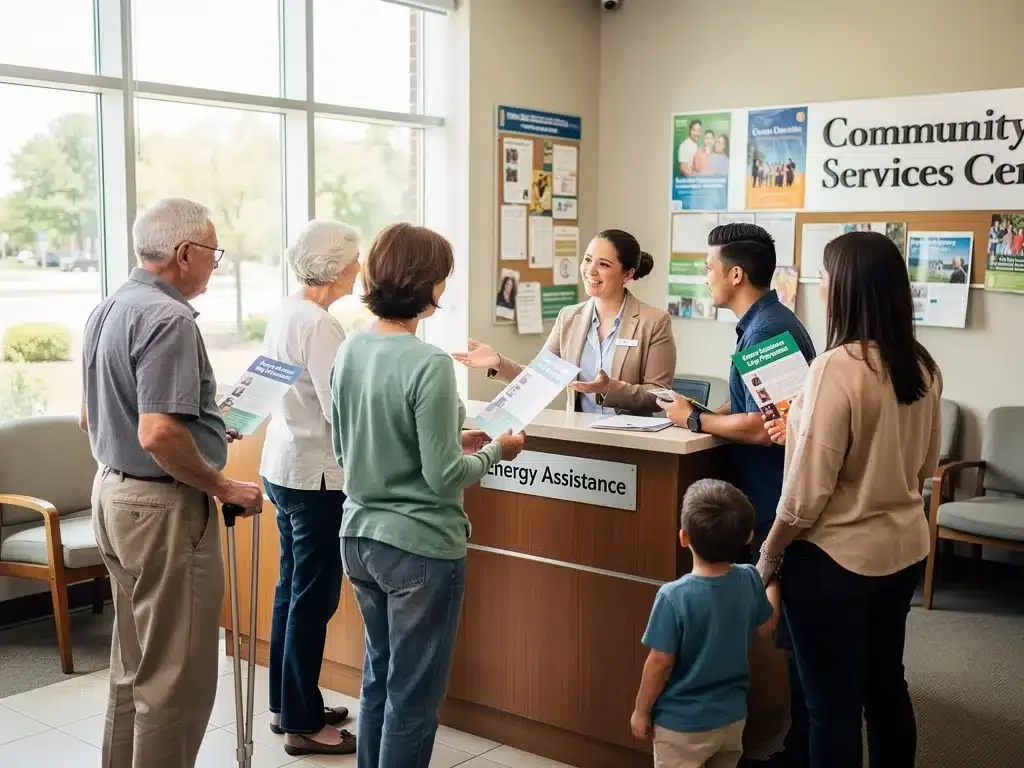
The maximum aid amount of up to $1,500 for Energy Assistance (LIHEAP) 2026 is an estimate and can vary significantly by state and individual household circumstances.
Factors such as income, household size, energy costs, and the type of heating or cooling system used all play a role.
Some states may offer a flat rate, while others provide assistance based on a percentage of energy bills or a tiered system.
It is essential to understand that the $1,500 figure is an upper limit, not a guaranteed amount for all recipients of Energy Assistance (LIHEAP) 2026.
Disbursement of funds typically goes directly to the utility company or energy vendor on behalf of the eligible household.
This ensures the aid directly addresses energy costs, providing immediate relief from financial strain related to Energy Assistance (LIHEAP) 2026.
Beyond Financial Assistance: LIHEAP’s Broader Impact
While direct financial aid is the primary function of Energy Assistance (LIHEAP) 2026, the program’s impact extends far beyond monetary relief. It plays a crucial role in public health, safety, and economic stability for countless families.
By preventing utility shut-offs, LIHEAP helps maintain safe temperatures in homes, reducing the risk of cold-related illnesses in winter and heat-related conditions in summer.
This is particularly vital for elderly individuals and young children, who are more vulnerable to extreme temperatures.
Furthermore, the program frees up household income that would otherwise be spent on energy, allowing families to allocate resources to other essential needs like food, medicine, and housing.
This broader economic benefit underscores the importance of Energy Assistance (LIHEAP) 2026.
Monitoring State and Local LIHEAP Updates
Given that Energy Assistance (LIHEAP) 2026 is administered at the state and local levels, it is imperative for potential applicants to continuously monitor updates from their specific agencies.
Information can change, including application deadlines, eligibility criteria, and available funding.
Official state government websites, local community action agencies, and social services departments are reliable sources for the most current information.
These entities often provide detailed guides and FAQs specific to their jurisdiction regarding Energy Assistance (LIHEAP) 2026.
Subscribing to newsletters or alerts from these agencies can ensure you receive timely notifications about the December application window and any subsequent program changes.
Staying informed is key to successfully navigating Energy Assistance (LIHEAP) 2026: Don’t Miss the December Application Window for Up to $1,500 in Aid.
| Key Point | Brief Description |
|---|---|
| December Application Window | Crucial period for submitting LIHEAP 2026 applications for energy aid. |
| Up to $1,500 Aid | Potential maximum benefit to help cover heating and cooling costs. |
| Eligibility Requirements | Income-based criteria, varying by state and household size; verify locally. |
| Application Process | Contact local LIHEAP office, gather documents, and submit accurately. |
Frequently Asked Questions About LIHEAP 2026
What is Energy Assistance (LIHEAP) 2026?▼Energy Assistance (LIHEAP) 2026 is a federal program providing financial help to low-income households for managing heating and cooling costs. It aims to prevent utility disconnections and ensure safe living conditions, especially during extreme weather. Eligibility and aid amounts vary by state and individual circumstances.
When is the main application window for LIHEAP 2026?▼The December 2026 application window is a critical period for Energy Assistance (LIHEAP) 2026, particularly for heating assistance. While specific dates vary by state, many open their primary cycles in the fall, with December often being a key deadline. Early application is strongly recommended to ensure timely processing.
How much aid can I receive from LIHEAP 2026?▼Eligible households could receive up to $1,500 in aid through Energy Assistance (LIHEAP) 2026. However, this amount is an estimate, and actual benefits depend on factors like state funding, household income, size, and energy costs. Always confirm specific amounts with your local LIHEAP office.
What documents are needed to apply for LIHEAP 2026?▼Typically, you’ll need proof of income for all household members, recent utility bills, photo identification, and Social Security numbers. Some states may require additional documentation like proof of residency. It’s best to consult your local LIHEAP office for a precise list of required documents for Energy Assistance (LIHEAP) 2026.
Where can I find my local LIHEAP office?▼You can locate your local Energy Assistance (LIHEAP) 2026 office by visiting your state’s official government website or the federal LIHEAP website. These resources provide directories and contact information for community action agencies and social services departments that administer the program in your area.
Looking Ahead: Maximizing Your LIHEAP 2026 Opportunity
The upcoming December 2026 application window for Energy Assistance (LIHEAP) 2026 represents a crucial opportunity for eligible households to secure vital financial support.
In conclusion, proactive preparation, including gathering necessary documentation and understanding local requirements, will significantly enhance the chances of receiving aid.
Remaining informed about state-specific deadlines and guidelines is paramount, as these can fluctuate.
This aid not only alleviates immediate energy cost burdens but also contributes to household stability and well-being, underscoring the importance of engaging with Energy Assistance (LIHEAP) 2026.
By acting decisively during this critical period, families can effectively manage their heating and cooling expenses, ensuring comfort and safety throughout the year.
The Energy Assistance (LIHEAP) 2026: Don’t Miss the December Application Window for Up to $1,500 in Aid offers a pathway to much-needed relief.
For California residents ready to begin the process, you can find the official portal and guidance at CalLIHEAPApply.com.