Mastering Red Carpet Posing: 5 Techniques for 2026
Advertisements
The latest 2026 updates show that red carpet posing is evolving toward a more natural and dynamic style, influenced by social media and high-definition photography. Experts from agencies like Getty Images note that subtle movements, softer expressions, and micro-adjustments in posture now outperform rigid, traditional poses.
This matters because modern cameras capture every detail instantly, making posture, angles, and facial control essential for a flawless appearance. Stylists emphasize five core techniques: controlled posture, strategic angles, relaxed facial expressions, confident eye focus, and fluid transitions between poses to create more authentic and engaging images.
Looking ahead, individuals should monitor trends in candid-style photography, lighting adaptation, and personal branding across platforms like Instagram. As visual standards continue to shift in 2026, mastering adaptability and authenticity will be key to standing out in any high-visibility setting.
The Evolving Landscape of Red Carpet Presence
The red carpet has always been a crucible for public image, where every stance and smile is meticulously scrutinized. For 2026, the emphasis has shifted towards authentic confidence combined with strategic precision, moving beyond rigid, rehearsed movements.
This evolution means that while classic poses remain relevant, new techniques prioritize fluidity and natural expression. Celebrities and public figures are increasingly seeking to convey approachability alongside their undeniable star power, making the skill of Red Carpet Posing Techniques more critical than ever.

Understanding these shifts is crucial for anyone stepping into the spotlight, whether at a major awards ceremony or a high-profile event. The goal is to project an image that is both aspirational and genuinely engaging, a delicate balance that defines modern red carpet success.
The Power Stance: Projecting Unwavering Confidence
The power stance involves planting your feet firmly, hip-width apart, often with one foot slightly forward, and distributing your weight evenly.
This creates a stable and commanding presence, communicating authority and self-assurance to the camera.
It’s about more than just standing; it’s about owning the space you occupy. This technique is particularly effective for showcasing intricate details of an outfit, as it allows the body to act as a structured canvas, highlighting the garment’s design and silhouette.
- Shoulders back, chest out: Improves posture and conveys strength.
- Chin slightly up: Projects confidence and avoids a submissive look.
- Engage core muscles: Provides stability and a lean appearance.
The S-Curve: Elegance and Fluidity
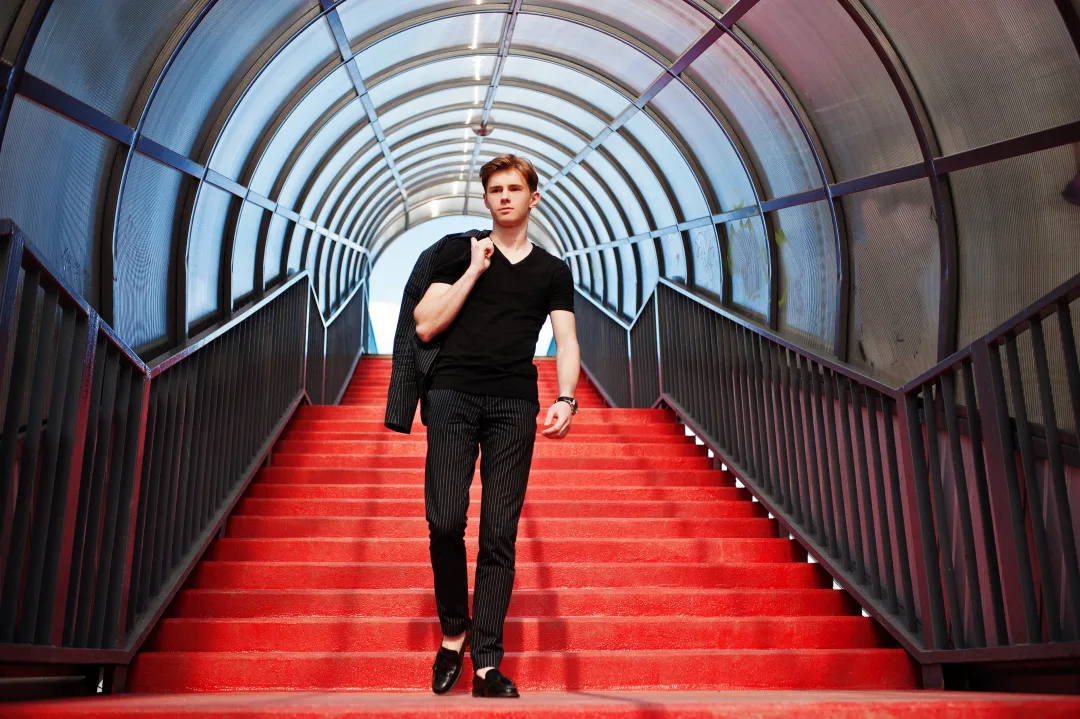
The S-curve pose is a timeless technique that accentuates the natural curves of the body, creating an elegant and dynamic silhouette. It involves shifting weight to one hip, allowing the opposing hip to drop slightly, and often extending one leg forward or to the side.
This pose adds a sense of movement and grace, making the body appear longer and more fluid. It’s a favorite among stylists for its ability to soften angles and introduce an alluring visual rhythm, making it a cornerstone of effective Red Carpet Posing Techniques.
Achieving a compelling S-curve requires a subtle twist of the torso and a gentle bend in the knees, preventing a stiff appearance. The overall effect is one of effortless sophistication, drawing the eye smoothly across the frame.
Mastering Facial Expressions and Engagement
Beyond body posture, facial expressions are paramount in conveying personality and connecting with the audience. A genuine smile, a thoughtful gaze, or a playful smirk can elevate a photograph from ordinary to iconic.
The key lies in authenticity; forced smiles or vacant stares quickly detract from an otherwise perfect pose. Practicing in front of a mirror can help identify expressions that feel natural and flattering, allowing for quick adjustments under pressure.
Engaging the eyes is also vital; direct eye contact with the camera can create a powerful connection. This doesn’t mean staring intensely, but rather a soft, inviting gaze that draws viewers in, a critical component of Red Carpet Posing Techniques.
The Art of the Gaze: Connecting with the Lens
The gaze can communicate a multitude of emotions without uttering a single word. A direct, confident look into the camera signals self-assurance, while a slightly averted, thoughtful gaze can evoke intrigue and allure.
It’s about understanding the narrative you wish to convey. A softer gaze can be more inviting, making the viewer feel included, whereas a sharper, more intense stare can project power and determination.
- Practice varied expressions: From subtle smiles to strong looks.
- Use your eyes: Convey emotion and connection through eye contact.
- Avoid a deer-in-headlights look: Relax your facial muscles.
Subtle Head Tilts and Angles: Enhancing Features
Small adjustments to head position can dramatically alter how light falls on the face and how features are perceived. A slight tilt of the head can soften the jawline, while turning the head slightly to one side can emphasize cheekbones.
Understanding your best angles is a powerful asset on the red carpet. Experimenting with head positions can reveal which angles are most flattering, enhancing symmetry and highlighting your strongest features for the perfect shot.
These subtle movements, often overlooked, are crucial for achieving that polished, flawless look. They demonstrate a keen awareness of how the camera perceives you, a hallmark of excellent Red Carpet Posing Techniques.
Dynamic Movement and Flow: Beyond the Static Pose
While static poses are fundamental, incorporating dynamic movement adds an element of spontaneity and life to red carpet photographs. This involves subtle shifts in weight, flowing fabric, or a gentle turn that captures motion.
The goal is to avoid looking stiff or overly posed, allowing for a more natural and candid feel even in a highly controlled environment. A slight sway or a graceful pivot can create captivating images that stand out.
This approach requires a certain level of comfort and improvisation, allowing the personality to shine through. It’s about being present in the moment and letting your body move organically, guided by the principles of effective Red Carpet Posing Techniques.
The Walk-Through: Capturing Motion and Grace
The walk-through technique involves moving slowly and deliberately along the red carpet, allowing photographers to capture a sequence of dynamic shots. This creates a narrative, showcasing the garment in motion and the individual’s natural gait.
It’s an excellent way to display the fluidity of a dress or the tailoring of a suit, as the fabric moves with the body. This approach yields a variety of images, from full-length shots to more intimate, mid-stride captures.
- Maintain a steady pace: Allows photographers to adjust.
- Engage with the crowd: Acknowledge fans and media naturally.
- Practice flowing movements: Avoid jerky or abrupt transitions.
The Over-the-Shoulder Glance: Adding Intrigue
The over-the-shoulder glance is a classic move that adds an element of mystery and allure. It involves turning your head back towards the camera while your body continues to face forward, often combined with a subtle smile or an enigmatic expression.
This pose creates visual depth and draws attention to the back of an outfit, especially if it features intricate details. It’s a powerful way to make a lasting impression as you move past the initial photo line.
Executing this technique effectively requires a fluid motion and a captivating gaze that holds the viewer’s attention. It’s a sophisticated addition to any repertoire of Red Carpet Posing Techniques.
Utilizing Props and Environment: Strategic Integration
The red carpet environment often provides opportunities to interact with elements beyond just your outfit. Whether it’s a hand placed on a hip, a carefully held clutch, or even the backdrop itself, strategic integration can enhance your pose.
Using props naturally can make a pose feel less contrived and more organic. A simple gesture, like adjusting a cuff or touching a piece of jewelry, can add character and visual interest to a photograph.
Awareness of your surroundings allows you to leverage architectural features or event branding to frame your shots. This strategic thinking elevates your presence, making you an active participant in the visual narrative of the event, a key aspect of Red Carpet Posing Techniques.
Hand Placement: The Subtle Art of Gesture
Where you place your hands can significantly impact the overall impression of a pose. Awkward or fidgeting hands can distract, while purposeful placement can add elegance and reinforce your confidence.
Common effective placements include one hand on the hip, both hands gently clasped in front, or one arm casually bent. These gestures can define the waist, create visual lines, and add a sense of poise.
- Avoid fidgeting: Keep hands purposeful and relaxed.
- Utilize accessories: A clutch or jewelry can provide a natural anchor.
- Experiment with pockets: For a more casual yet stylish look.
Interacting with the Outfit: Enhancing the Narrative
Your outfit is an extension of your persona on the red carpet, and interacting with it can create compelling visual stories. A gentle sweep of a voluminous skirt or a delicate adjustment of a flowing train can capture dynamic moments.
This interaction highlights the craftsmanship and design of the garment, making it an active part of your pose rather than just something you wear. It adds depth and movement, enriching the photographic narrative.
Such gestures transform a static display of fashion into a living, breathing expression of style. It’s a sophisticated approach to Red Carpet Posing Techniques that ensures both you and your attire shine.
The Role of Confidence and Preparation in 2026
Ultimately, the most effective Red Carpet Posing Techniques are underpinned by genuine confidence and meticulous preparation. Feeling comfortable in your skin and your ensemble translates directly to how you appear in photographs.
This preparation includes knowing your angles, practicing your expressions, and familiarizing yourself with your outfit’s movement. It’s about building a repertoire of poses that feel natural and authentic to you, ensuring you can adapt quickly to any situation.
Confidence is the invisible accessory that elevates every pose. When you believe in your presence, it radiates outwards, making every photograph a testament to your command of the red carpet, a crucial skill for 2026.
Pre-Event Rehearsal: Polishing Your Presence
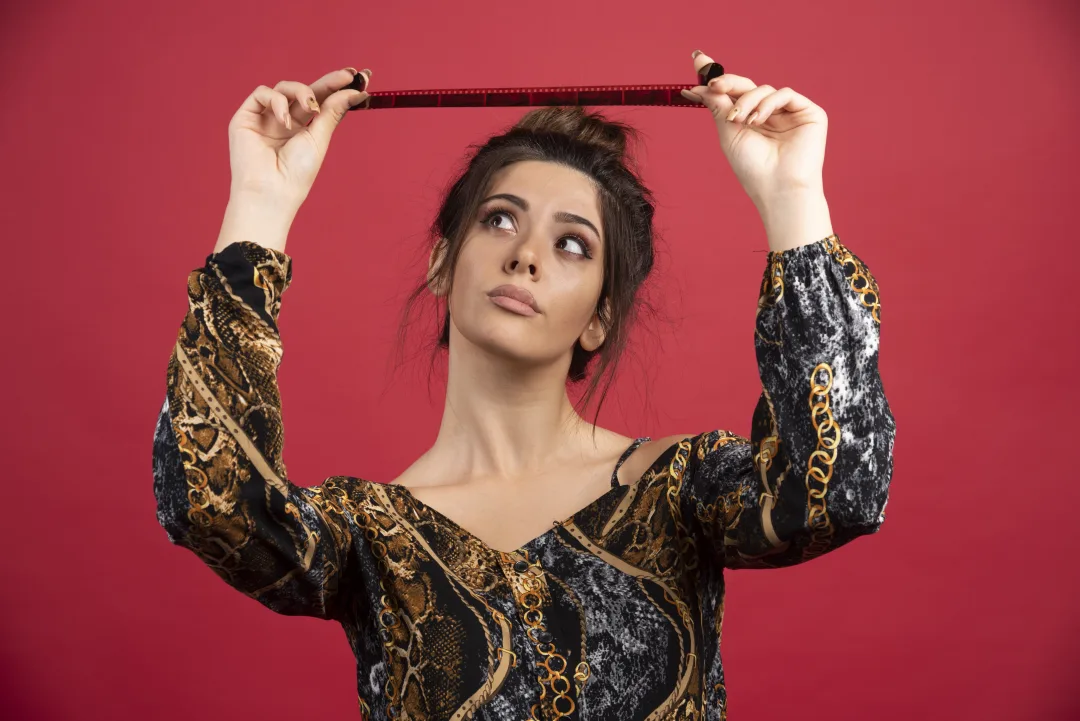
Rehearsing your poses in advance, ideally in your chosen outfit, can significantly boost your confidence. This allows you to identify what works best and adapt techniques to your specific look and body type.
Practice helps in internalizing movements so they feel less forced and more instinctive when the cameras start flashing. It’s about familiarizing yourself with the rhythm of posing, ensuring smooth transitions.
- Mirror practice: Observe yourself from various angles.
- Video recording: Review movements and expressions critically.
- Outfit test: Ensure comfort and functionality of your attire.
Mindset and Mental Preparation: Conquering the Nerves
The red carpet can be an intimidating environment, and managing nerves is part of the preparation. Techniques like deep breathing, visualization, and positive self-talk can help maintain composure.
Focusing on the moment and enjoying the experience can translate into more relaxed and authentic photographs. A calm and confident mindset is as important as any physical pose.
Understanding that minor imperfections are natural and focusing on the overall impression rather than individual flaws can alleviate pressure. This mental fortitude is a powerful, often unseen, aspect of Red Carpet Posing Techniques.
| Key Technique | Brief Description |
|---|---|
| The Power Stance | Projecting confidence with a stable, commanding posture. |
| The S-Curve | Creating an elegant, fluid silhouette by shifting weight. |
| Dynamic Movement | Incorporating subtle shifts and flows for natural photos. |
| Facial Engagement | Mastering expressions and eye contact for powerful connection. |
Frequently Asked Questions About Red Carpet Posing
What is the most important aspect of red carpet posing?▼The most important aspect is projecting authentic confidence. While specific poses help, a genuine sense of self-assurance and comfort in your own skin translates into more captivating and memorable photographs, making all Red Carpet Posing Techniques more effective.
How can I make my poses look less stiff?▼To avoid stiffness, incorporate subtle movements and fluidity. Shift your weight gently, bend your knees slightly, and allow your body to create natural lines. Practice in front of a mirror to find comfortable, dynamic positions that feel organic, enhancing your Red Carpet Posing Techniques.
Should I look directly at the camera?▼Looking directly at the camera can create a powerful connection, but it’s not the only option. Experiment with a soft, inviting gaze or a slightly averted, thoughtful look. The key is to engage your eyes and convey emotion, which is central to effective Red Carpet Posing Techniques.
How do celebrities prepare for red carpet events?▼Celebrities often work with stylists and publicists to select outfits, practice poses, and manage their red carpet walk. Pre-event rehearsals, mental preparation, and understanding their best angles are crucial steps to ensure they master the various Red Carpet Posing Techniques.
Are there specific poses that always work?▼While personal style dictates much, classic poses like the Power Stance and the S-Curve are consistently effective due to their ability to flatter various body types and outfits. These foundational Red Carpet Posing Techniques provide a strong base upon which to build more personalized expressions.
Perspectives
Mastering red carpet posing in 2026 requires a balance between timeless elegance and natural authenticity, as visual standards continue to evolve. Subtle adjustments in posture, angles, and body positioning can significantly enhance how individuals appear in photos.
This matters because high-definition cameras and constant media exposure capture every detail, making controlled expressions and confident presence essential. Techniques like relaxed shoulders, defined jawlines, and intentional eye focus help create a polished yet approachable image.
Looking ahead, trends are shifting toward more dynamic and candid poses, reflecting personality rather than rigid formality. Adapting to lighting, camera movement, and personal style will be key to standing out and maintaining a strong visual presence.