Red Carpet Menswear Evolution: 5 Styles & 2026 Trends
Advertisements
Red carpet menswear has evolved significantly, with individuality, experimentation, and modern tailoring replacing more traditional formalwear rules. Recent celebrity appearances have highlighted several distinct styles that may continue shaping fashion in 2026.
Gender-fluid silhouettes, vintage-inspired suits, relaxed tailoring, bold colors, and statement accessories have become increasingly visible. These choices allow male celebrities to express personality while redefining expectations around formal dressing.
The red carpet is now a platform for creative risk-taking rather than uniform black-tie styling. As designers and celebrities continue exploring new ideas, menswear in 2026 is likely to become even more diverse, expressive, and adaptable.
The Rise of Gender-Fluid Silhouettes and Draping
The past year witnessed a significant embrace of gender-fluid silhouettes, challenging long-standing conventions in male formal wear. Designers and celebrities have collectively pushed boundaries, introducing garments that blur traditional lines between masculine and feminine aesthetics.
This movement reflects a broader cultural shift towards inclusivity and personal expression, where clothing is increasingly seen as a form of art rather than a strict adherence to gendered norms. The red carpet has served as a prominent stage for this transformation, showcasing how fluidity can be both elegant and impactful.
The intentional draping, flowing fabrics, and softer lines have redefined what constitutes formal menswear. This style emphasizes comfort and movement while maintaining an undeniable sense of sophistication, contributing immensely to the red carpet menswear evolution.
Key Characteristics of Gender-Fluid Styles
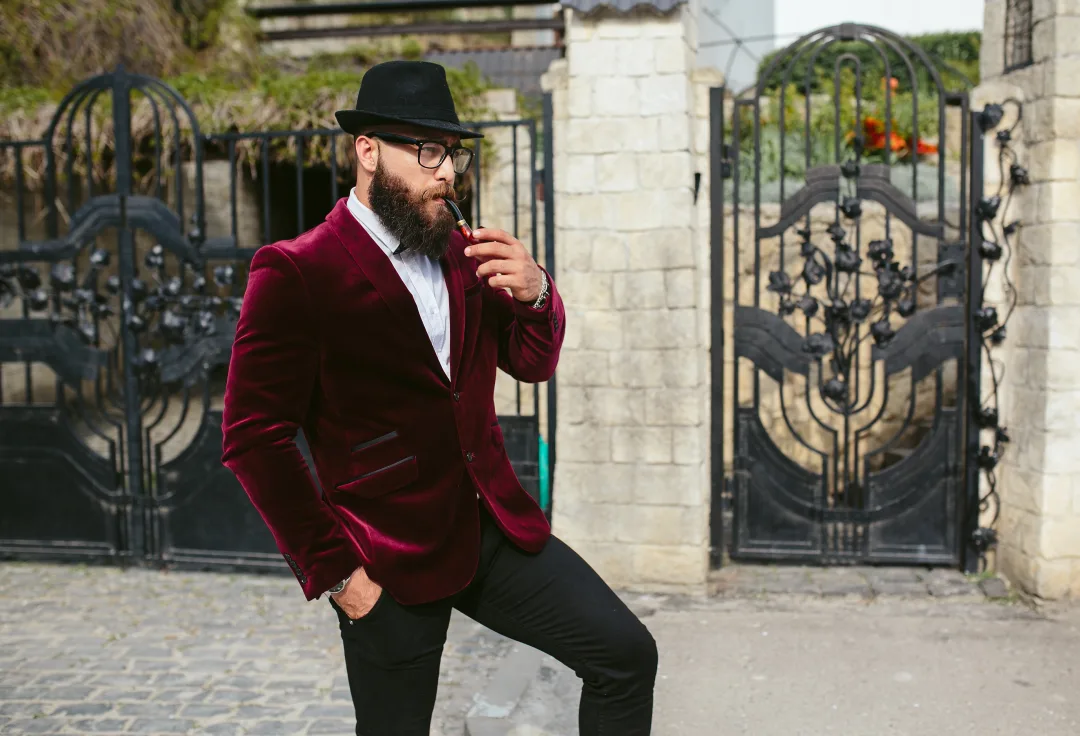
- Flowing Fabrics: Use of silks, satins, and lightweight wools that allow for natural drape and movement.
- Relaxed Tailoring: Oversized blazers, wide-leg trousers, and tunics replacing rigid, structured suits.
- Asymmetrical Cuts: Garments featuring uneven hemlines, single-sleeve designs, or innovative wraps.
- Embellishments and Details: Incorporating lace, embroidery, and subtle sparkle previously reserved for womenswear.
Notable figures such as Harry Styles and Billy Porter have consistently championed these looks, influencing a new generation of style icons.
Their choices on major red carpet events have garnered widespread attention, sparking conversations about fashion’s evolving role in society.
The impact extends beyond mere aesthetics, signifying a deeper acceptance of diverse identities within mainstream culture. This trend is not fleeting; it represents a foundational shift in how menswear is conceived and consumed, propelling the red carpet menswear evolution forward.
The Enduring Power of Deconstructed Traditionalism
While fluidity gains traction, another significant trend involves the deconstruction of traditional menswear, offering a fresh take on classic staples. This approach respects the heritage of formal wear but introduces unexpected elements that subvert expectations.
Designers are taking familiar silhouettes, the tuxedo, the three-piece suit—and reinterpreting them through innovative cuts, fabric pairings, and layering techniques. This results in outfits that are both recognizable and strikingly modern, appealing to those who appreciate classic elegance with an edge.
This style maintains a connection to sartorial history while simultaneously pushing it into contemporary relevance. It’s a nuanced yet powerful statement in the ongoing red carpet menswear evolution, demonstrating that innovation can thrive within established frameworks.
Elements of Deconstructed Traditionalism
- Exaggerated Lapels and Shoulders: Classic suits featuring wider lapels or subtly padded shoulders for a more dramatic silhouette.
- Unconventional Fabric Mixes: Pairing traditional wool with unexpected materials like leather, velvet, or even technical fabrics within a single ensemble.
- Strategic Cut-outs and Venting: Modern interpretations that expose skin or create architectural shapes in unexpected places.
- Layering Techniques: Incorporating vests, harnesses, or sheer underlays to add depth and complexity to a standard suit.
Celebrities like Riz Ahmed and Daniel Kaluuya have frequently showcased this style, demonstrating how a classic foundation can be transformed with thoughtful, modern detailing. Their choices often highlight bespoke craftsmanship and a keen eye for subtle yet impactful alterations.
The appeal of deconstructed traditionalism lies in its ability to offer sophistication without being staid, providing a bridge between storied elegance and contemporary cool.
This blend ensures its continued prominence in the red carpet menswear evolution for years to come.
The Bold Resurgence of Vibrant Color and Pattern
Red carpet menswear is moving beyond traditional black and navy tuxedos as celebrities embrace bold colors and expressive patterns. This shift brings greater personality, creativity, and energy to formal attire.
Electric blue, emerald green, burgundy, and mustard tones are appearing across complete suits and coordinated ensembles. Floral prints, geometric designs, jacquards, and abstract patterns are also creating more memorable looks.
This trend challenges the idea that formalwear must always be restrained or monochromatic. As it develops, richer textures, thoughtful accessories, and sophisticated color combinations are likely to make these statements even more refined.
The Influence of Retro Revivalism: 70s and 90s Nostalgia
A strong undercurrent in recent red carpet fashion has been the embrace of retro revivalism, specifically drawing inspiration from the 1970s and 1990s. This nostalgic nod offers a distinct aesthetic that blends vintage charm with modern sensibilities.
The 70s influence manifests in wider lapels, flared trousers, velvet fabrics, and earthy color palettes, often paired with statement jewelry. This era’s relaxed yet opulent feel provides a compelling alternative to traditional formal wear, adding a layer of historical reference to the red carpet menswear evolution.
Conversely, the 90s revival brings a minimalist, streamlined approach, featuring slightly oversized suits, monochromatic schemes, and a focus on clean lines. This aesthetic often incorporates subtle sportswear elements, reflecting the decade’s casual cool.
Hallmarks of Retro Styles
- 70s Glam: Velvet suits, wide-collared shirts, platform shoes, and bold prints.
- 90s Minimalism: Loose-fitting suits, muted tones, simple silhouettes, and understated accessories.
- Specific Fabrics: Corduroy, tweed, and patterned knits making a comeback in formal settings.
- Hair and Grooming: Often styled to complement the chosen retro era, adding to the overall authenticity.
Actors like Austin Butler, channeling Elvis Presley’s iconic style, and others adopting the relaxed coolness of 90s hip-hop artists, exemplify this trend. Their choices tap into a collective memory of past fashion, reinterpreting it for a contemporary audience.
This trend highlights the cyclical nature of fashion, demonstrating how past styles can be continuously re-imagined.
The fusion of vintage inspiration with modern tailoring ensures these looks feel fresh and relevant, contributing significantly to the red carpet menswear evolution.
The Statement Accessory: Beyond the Tie
In the evolving landscape of red carpet menswear, accessories have transcended their traditional supporting role to become central statement pieces. This shift allows for greater personalization and adds a crucial layer of detail to any ensemble.
Gone are the days when a simple tie or pocket square sufficed. Now, we see elaborate brooches, avant-garde eyewear, sculptural jewelry, and even bespoke headpieces redefining what’s acceptable. These accessories are no longer afterthoughts but integral components of the overall look, driving the red carpet menswear evolution.
This trend underscores a desire for unique expression and an understanding that even the smallest detail can dramatically alter an outfit’s impact. It allows celebrities to infuse their personality without necessarily overhauling their entire wardrobe.
Impactful Accessory Trends
- Elaborate Brooches and Pins: Often oversized, gemstone-encrusted, or with unique artistic designs, replacing traditional lapel pins.
- Statement Necklaces and Chains: Moving beyond simple chains to intricate, often layered, pieces that draw attention.
- Artistic Eyewear: Unconventional frame shapes, tinted lenses, or embellished designs that serve as a focal point.
- Bespoke Footwear: Custom-designed shoes with unique materials, colors, or architectural heels that complete a cohesive look.
Pharrell Williams and Jared Leto are prime examples of celebrities who master the art of the statement accessory, often making their accessories as memorable as their outfits. Their choices inspire others to explore personal touches that elevate their red carpet presence.
The focus on unique accessories is a testament to the increasing sophistication of menswear styling. It acknowledges that true style lies in the details, making every element count in the complex tapestry of the red carpet menswear evolution.
What’s Next for 2026: Forecasted Trends
Looking ahead to 2026, the red carpet menswear evolution is poised for further innovation, building on the foundations laid in the past year. Several key trends are expected to solidify and expand, shaping the future of celebrity formal wear.
Sustainability will move from a niche concern to a mainstream expectation, influencing fabric choices, production methods, and even the longevity of garments. Expect to see more recycled materials, upcycled designs, and a greater emphasis on ethical sourcing in high fashion.
The fusion of technology and fashion will become more pronounced, with smart fabrics and wearable tech subtly integrated into formal attire. This could range from temperature-regulating suits to garments with embedded lighting elements, pushing the boundaries of what clothing can do.
Anticipated Developments in Menswear
- Hyper-Personalization: Beyond bespoke, AI-driven design and 3D printing could allow for truly unique, body-specific garments.
- Modular Wardrobes: Pieces designed to be mixed, matched, and transformed, offering versatility and reducing consumption.
- Digital Fashion Integration: Augmented reality filters and digital overlays becoming part of the red carpet experience, blurring physical and virtual fashion.
- Return to Natural Fibers with a Twist: Organic cottons, linens, and hemp reimagined with advanced finishes and luxurious textures.
The conversation around gender expression will continue to evolve, leading to even more diverse and inclusive design vocabularies.
The binary distinctions in menswear will likely further diminish, replaced by a spectrum of styles catering to individual preferences, solidifying the red carpet menswear evolution.
Ultimately, 2026 promises a red carpet where individuality, innovation, and conscious choices are paramount. The emphasis will be on storytelling through fashion, where every outfit conveys a deeper message about personal identity and global values, driving the red carpet menswear evolution.
The Intersection of Culture and Style on the Red Carpet
The red carpet has become an important cultural barometer, reflecting broader changes in identity, creativity, and social expression. Menswear choices now communicate far more than personal style.
Celebrities from diverse backgrounds increasingly use clothing to celebrate heritage, challenge conventions, and express meaningful ideas. Traditional garments, regional textiles, and global design influences are being reinterpreted for contemporary formalwear.
Collaborations between designers, artists, and cultural figures are also bringing new narratives to the red carpet. This exchange makes menswear more inclusive, expressive, and representative of an increasingly interconnected world.
Sustainability and Ethical Fashion on the Red Carpet
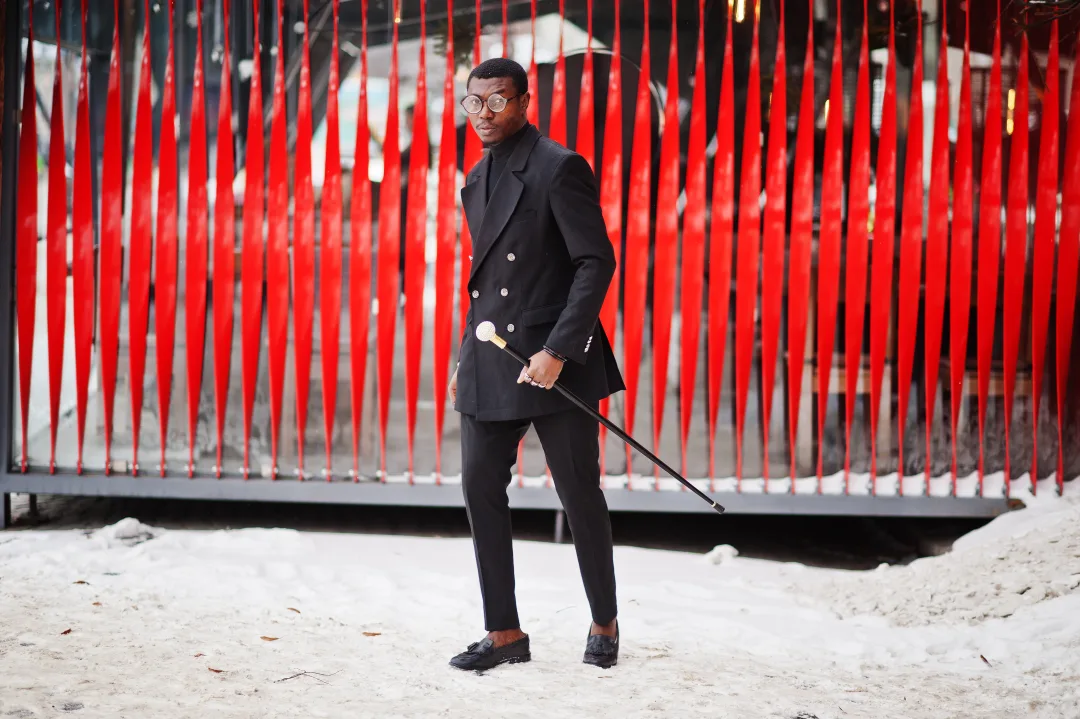
As conscious consumerism gains traction, the red carpet is increasingly becoming a platform for sustainable and ethical fashion. This growing awareness is influencing both designers and celebrities to prioritize environmentally friendly and socially responsible choices.
The demand for transparency in the fashion supply chain is leading to greater scrutiny of materials, labor practices, and the overall environmental footprint of garments. This shift is a crucial component of the red carpet menswear evolution, reflecting a broader industry transformation.
Celebrities are actively seeking out brands that align with their values, opting for vintage pieces, upcycled designs, or garments made from innovative, eco-friendly materials. This trend signals a move away from fast fashion mentalities towards a more thoughtful and enduring approach to style.
Designers on the Red Carpet
Designers are responding by integrating sustainable practices into their core business models, from sourcing organic and recycled fabrics to implementing zero-waste production techniques. This commitment to sustainability is not just about aesthetics; it’s about making a tangible difference.
The conversation now extends beyond just the materials used, encompassing the entire lifecycle of a garment, from its creation to its disposal. This holistic approach to ethical fashion is reshaping the expectations for red carpet attire, influencing the red carpet menswear evolution.
Expect to see more public discussions about the provenance of celebrity outfits, with designers and stars proudly highlighting their commitment to sustainability. This movement is set to redefine luxury, placing value on responsibility as much as on exclusivity.
| Key Trend | Brief Description |
|---|---|
| Gender-Fluid Silhouettes | Soft lines, draping, and non-traditional cuts challenging masculine norms. |
| Deconstructed Traditionalism | Classic menswear reinterpreted with modern cuts, fabrics, and layering. |
| Vibrant Color & Pattern | Bold hues and intricate designs replacing traditional monochrome formal wear. |
| Statement Accessories | Brooches, unique eyewear, and sculptural jewelry as focal points. |
Frequently Asked Questions About Red Carpet Menswear
What defines the red carpet menswear evolution over the last year?▼The last year has been defined by a move towards greater individuality and expression. Key elements include gender-fluid designs, deconstructed traditional suits, bold colors, and statement accessories. This signals a departure from uniform black-tie events, embracing diverse personal styles and pushing creative boundaries.
Which styles are predicted to dominate red carpet menswear in 2026?▼For 2026, expect continued growth in sustainable fashion, technological integration, and hyper-personalization. Gender-fluid aesthetics will further solidify, alongside refined retro influences. The emphasis will be on unique storytelling through garments, with ethical considerations playing a more prominent role in choices.
How has celebrity influence shaped the red carpet menswear evolution?▼Celebrities serve as powerful arbiters of style, often debuting new trends and challenging conventions. Their willingness to experiment with bold designs, gender-fluid looks, and statement accessories on high-profile platforms directly influences public perception and designer collections, accelerating the evolution of menswear.
Are traditional tuxedos still relevant in the current red carpet menswear evolution?▼Traditional tuxedos remain relevant but are increasingly reinterpreted. While classic black-tie still has its place, it’s often updated with modern cuts, luxurious fabrics, or unexpected accessories. The trend is towards deconstructed versions or those infused with subtle, contemporary twists rather than strict adherence to past forms.
What role does sustainability play in the red carpet menswear evolution?▼Sustainability is becoming a critical factor, moving beyond a trend to a core expectation. Designers and celebrities are increasingly prioritizing eco-friendly materials, ethical production, and upcycled designs. This commitment reflects a growing awareness of environmental impact and a desire for more responsible fashion choices on the red carpet.
Looking Ahead: The Future of Red Carpet Menswear
The dynamic shifts observed in the red carpet menswear evolution over the past year indicate a clear trajectory towards greater individuality, sustainability, and technological integration. What happens now involves a continued push against sartorial norms, with designers and celebrities exploring innovative expressions of identity.
As 2026 approaches, the red carpet will likely become an even more experimental and thoughtful space, reflecting broader societal values and artistic innovation. Monitoring how these trends evolve will offer valuable insights into the future of global fashion and celebrity influence.
The red carpet will remain a crucial stage for defining style, influencing not only high fashion but also broader consumer trends in menswear. Expect ongoing conversations about inclusivity and ethical practices to shape the narrative, enriching the entire red carpet menswear evolution.