Red Carpet Reimagined: 7 Sustainable Fashion Choices for 2026
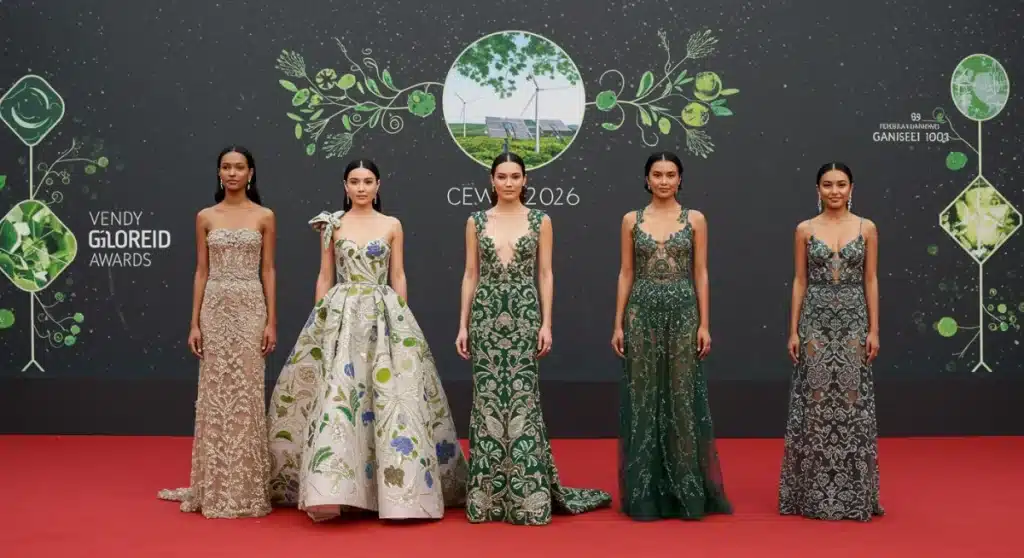
Latest developments on Red Carpet Reimagined: 7 Sustainable Fashion Choices Gaining Traction in 2026 (PRACTICAL SOLUTIONS), with key facts, verified sources and what readers need to monitor next in Estados Unidos, presented clearly in Inglês (Estados Unidos) (en-US).
Red Carpet Reimagined: 7 Sustainable Fashion Choices Gaining Traction in 2026 (PRACTICAL SOLUTIONS) is shaping today’s agenda with new details released by officials and industry sources. This update prioritizes what changed, why it matters and what to watch next, in a straightforward news format.
The movement towards eco-conscious glamour is not merely a trend but a fundamental shift, reflecting an industry-wide commitment to environmental stewardship. As 2026 approaches, the spotlight intensifies on designers and celebrities championing ethical practices, proving that high fashion and sustainability can coexist beautifully.
This article delves into the practical solutions and innovative materials revolutionizing red carpet attire. We examine how these choices are redefining luxury, offering a glimpse into the future of celebrity style and its broader impact on consumer awareness.
The Emergence of Sustainable Red Carpet Fashion in 2026
The red carpet, traditionally a spectacle of opulence, is undergoing a profound transformation as sustainable practices take center stage. This shift is driven by increasing environmental awareness among consumers and industry professionals alike, leading to a demand for responsible glamour.
As 2026 approaches, the focus intensifies on practical solutions that reduce fashion’s ecological footprint without compromising aesthetic appeal. This evolution signals a new era where ethical considerations are as crucial as design and craftsmanship in high-profile events.
The industry is responding with innovative approaches, from material sourcing to production processes, ensuring that the allure of the red carpet aligns with global sustainability goals. This commitment is reshaping perceptions of luxury and setting new benchmarks for fashion’s future.
Upcycled and Repurposed Materials: A New Standard for Glamour
One of the most impactful sustainable fashion choices gaining traction for 2026 is the widespread adoption of upcycled and repurposed materials. This approach breathes new life into existing textiles, reducing waste and conserving resources.
Designers are showcasing incredible creativity, transforming discarded garments and fabric scraps into breathtaking couture. The result is unique, one-of-a-kind pieces that tell a story of renewal and conscious consumption, challenging the notion that new is always better.
Celebrities embracing these creations are not only making a style statement but also sending a powerful message about circularity and resourcefulness. This trend is quickly becoming a cornerstone of Sustainable Red Carpet Fashion, offering practical solutions for a greener industry.
Innovative Textile Technologies: From Lab to Runway
The advent of innovative textile technologies is revolutionizing what is possible in sustainable fashion. Scientists and designers are collaborating to create materials that are both environmentally friendly and luxurious, paving the way for groundbreaking red carpet looks.
These advancements include fabrics made from unexpected sources like mushroom mycelium, fruit waste, and even algae. Such materials offer alternatives to traditional resource-intensive textiles, providing durability, comfort, and exquisite aesthetics demanded by high fashion.
The integration of these lab-grown or bio-derived textiles showcases a forward-thinking approach to design, proving that eco-innovation is not just functional but also inherently chic. This is a crucial element in Red Carpet Reimagined: 7 Sustainable Fashion Choices Gaining Traction in 2026 (PRACTICAL SOLUTIONS).
- Mycelium-based leathers offer a cruelty-free and biodegradable alternative to animal hides.
- Fruit waste textiles, such as pineapple leaf fibers, provide luxurious, silky textures.
- Algae-derived fabrics are emerging as a renewable resource with excellent dye absorption properties.
Rental and Archival Fashion: Embracing the Past for a Sustainable Future
The resurgence of rental and archival fashion is a significant practical solution for sustainable red carpet events. Instead of purchasing new garments for single-use occasions, celebrities are increasingly opting to borrow or re-wear iconic pieces.
This practice extends the lifespan of high-fashion garments, reducing demand for new production and minimizing textile waste. It also allows for a celebration of fashion history, bringing timeless designs back into the spotlight with a renewed purpose.
Stylists and fashion houses are actively curating extensive archives, making these exquisite pieces accessible for high-profile events. This approach highlights the enduring value of quality craftsmanship and classic design in the context of Sustainable Red Carpet Fashion.

Ethical Production and Fair Labor Practices: The Unseen Threads of Sustainability
Beyond materials, ethical production and fair labor practices are foundational to the sustainable fashion movement on the red carpet. Consumers and industry watchdogs are increasingly scrutinizing the supply chains of luxury brands.
Transparency in manufacturing, ensuring fair wages, safe working conditions, and respect for human rights, is paramount. Brands committed to these principles are gaining credibility and preference among conscious celebrities and audiences.
This commitment to ethical sourcing and production is a non-negotiable aspect of true sustainability, embodying the holistic vision of Red Carpet Reimagined: 7 Sustainable Fashion Choices Gaining Traction in 2026 (PRACTICAL SOLUTIONS). It ensures that beauty on the outside reflects integrity within.
Biodegradable and Compostable Garments: Closing the Loop
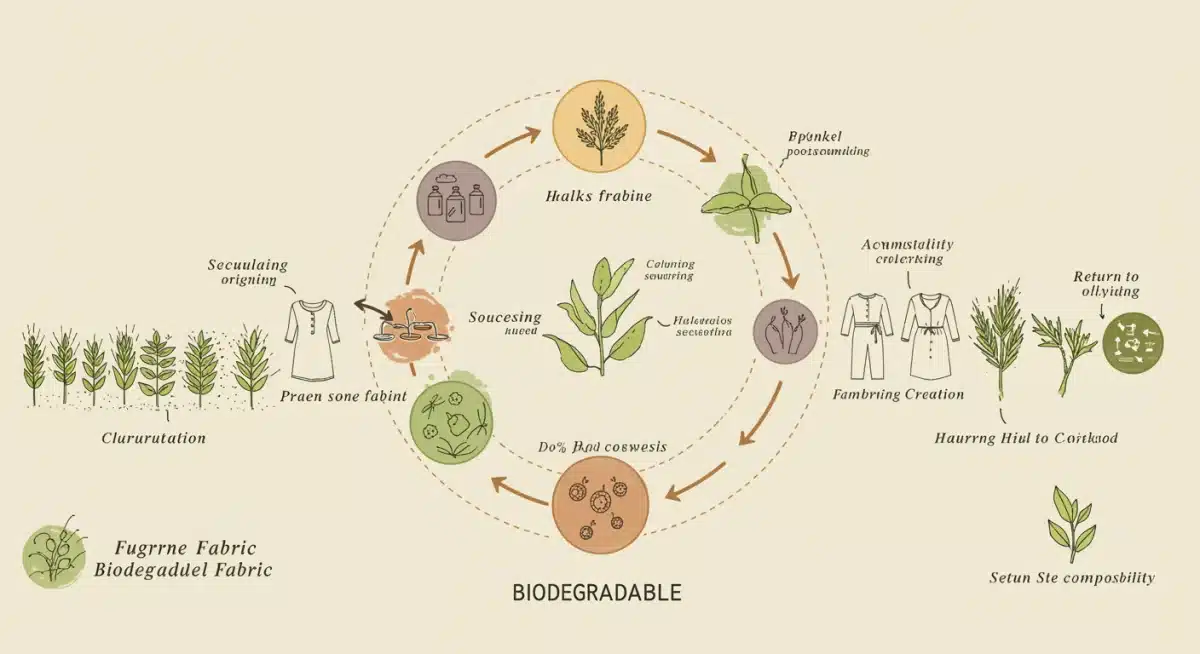
The development of biodegradable and compostable garments represents a crucial step towards a fully circular fashion economy. These innovative designs are crafted to return to nature at the end of their lifecycle, leaving no harmful residue.
Utilizing natural fibers like organic cotton, linen, hemp, and certain bio-synthetics, these garments offer a guilt-free glamour. The focus is on materials that can decompose naturally, enriching the soil rather than polluting landfills.
This forward-thinking approach to garment disposal is a powerful demonstration of how fashion can truly close its loop. It is a vital component of the overarching goal for Sustainable Red Carpet Fashion to minimize its environmental footprint.
- Organic cotton and linen provide comfortable, breathable, and fully compostable options.
- Hemp is a highly sustainable fiber requiring minimal water and pesticides, ideal for durable garments.
- Certain bio-synthetics are engineered to break down safely in industrial composting facilities.
Local Sourcing and Small-Batch Production: Reducing Carbon Footprints
Local sourcing and small-batch production are gaining significant momentum as practical solutions for reducing the carbon footprint of red carpet fashion. This strategy minimizes transportation emissions and supports local economies.
By working with artisans and manufacturers closer to home, designers can oversee production more directly, ensuring quality and ethical standards. This also fosters a sense of community and craftsmanship often lost in globalized supply chains.
The emphasis on localized production aligns with a broader movement towards mindful consumption. It’s a key factor in how Red Carpet Reimagined: 7 Sustainable Fashion Choices Gaining Traction in 2026 (PRACTICAL SOLUTIONS) is actively promoting regional talent and environmental responsibility.
Zero-Waste Design Principles: Eliminating Fabric Scraps
Zero-waste design principles are transforming the pattern-making process, aiming to utilize every inch of fabric and eliminate textile waste during garment construction. This innovative approach is a direct response to the industry’s significant waste problem.
Designers employ clever cutting techniques and creative construction methods to maximize material efficiency. The resulting garments often feature unique silhouettes and intricate detailing, showcasing the beauty of resourcefulness.
This commitment to waste reduction from the very outset of design is a powerful statement. It underscores the holistic nature of Sustainable Red Carpet Fashion, where every stage of creation is considered for its environmental impact.
The Role of Celebrity Advocacy: Amplifying Sustainable Messages
Celebrity advocacy plays an indispensable role in amplifying the message of sustainable fashion. When high-profile individuals choose eco-conscious attire for the red carpet, they inspire millions and shift cultural perceptions.
Their choices provide a powerful platform for designers to showcase innovative sustainable materials and ethical practices. This visibility is crucial for normalizing sustainable fashion and proving its elegance and desirability to a global audience.
The consistent presence of sustainable choices at major events reinforces the idea that glamour and environmental responsibility are not mutually exclusive. This collective effort is propelling Red Carpet Reimagined: 7 Sustainable Fashion Choices Gaining Traction in 2026 (PRACTICAL SOLUTIONS) into mainstream consciousness.
| Key Point | Brief Description |
|---|---|
| Upcycled Materials | Transforming existing textiles into new luxury garments, reducing waste. |
| Innovative Textiles | Utilizing bio-based and lab-grown fabrics like mycelium and fruit waste. |
| Rental & Archival | Extending garment lifespan by borrowing or re-wearing existing high fashion. |
| Ethical Production | Ensuring fair labor and transparent supply chains in garment manufacturing. |
Frequently Asked Questions About Sustainable Red Carpet Fashion
Sustainable fashion on the red carpet encompasses garments made from eco-friendly materials, produced under ethical labor conditions, and often designed with circularity in mind. It prioritizes minimizing environmental impact and promoting social responsibility throughout the fashion supply chain, reflecting a conscious choice by designers and wearers.
Key sustainable materials gaining traction include organic cotton, Tencel, recycled polyester, upcycled textiles, and innovative bio-based fabrics like mushroom leather or pineapple fibers. The emphasis is on renewable, recyclable, or biodegradable options that reduce reliance on virgin resources and harmful chemicals.
Celebrities contribute by choosing to wear sustainable designs, re-wearing outfits, or opting for rental pieces. Their public visibility amplifies the message, inspiring fans and press to consider eco-friendly fashion. Their choices drive demand for sustainable options and challenge conventional fashion norms, making it a powerful advocacy tool.
Challenges include scaling sustainable material production, ensuring supply chain transparency, and sometimes higher costs for ethical manufacturing. Availability of certain innovative materials can also be limited. However, continuous innovation and increasing demand are gradually overcoming these hurdles, making Sustainable Red Carpet Fashion more accessible.
Absolutely not. Designers are proving that sustainable fashion can be as glamorous, if not more so, than conventional fashion. Innovative materials offer unique textures and drapes, while upcycling allows for distinctive, artistic creations. The inherent story of responsibility adds a deeper layer of appeal and sophistication to red carpet looks, enhancing rather than diminishing glamour.
Looking Ahead: The Enduring Impact of Sustainable Red Carpet Choices
The evolution of Red Carpet Reimagined: 7 Sustainable Fashion Choices Gaining Traction in 2026 (PRACTICAL SOLUTIONS) signifies more than just a passing trend; it represents a fundamental recalibration of values within the fashion industry. The increasing adoption of eco-conscious practices at high-profile events sends a clear signal to both consumers and manufacturers about the future direction of luxury.
As we move towards 2026 and beyond, the influence of these sustainable choices will extend far beyond the red carpet, inspiring broader shifts in consumer behavior and production methods. The emphasis on transparency, circularity, and ethical sourcing will become increasingly integrated into mainstream fashion, fostering a more responsible and resilient industry.
This ongoing transformation underscores the power of visibility and advocacy in driving meaningful change. The red carpet, once solely a stage for sartorial excess, is now a powerful platform for environmental stewardship, demonstrating that style and sustainability are intrinsically linked for a brighter, greener future.