Decoding 2026 Met Gala: Style Inspirations & Historical Impact
Advertisements
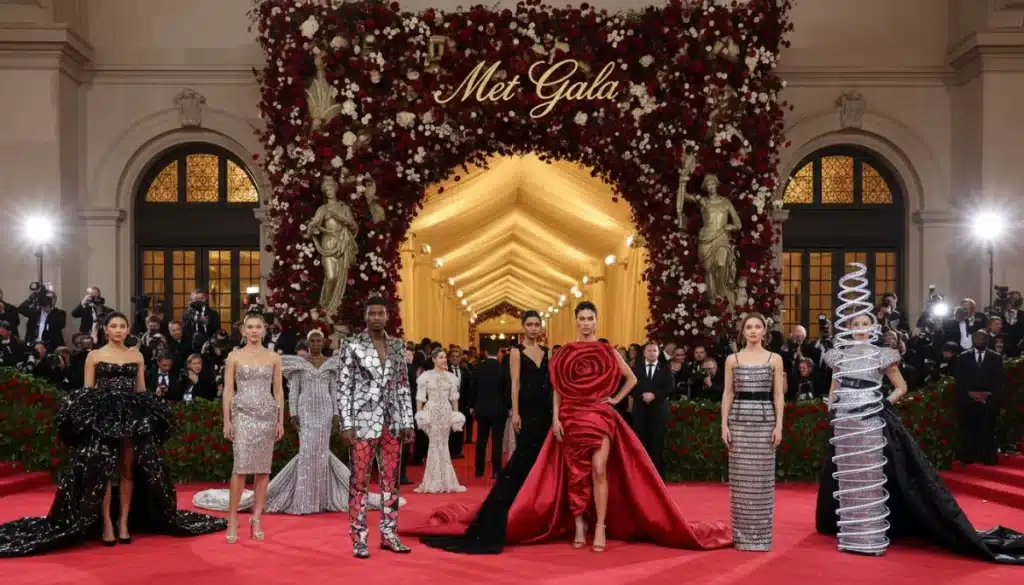
In 2026, the Met Gala has officially entered a new era with its theme, “Costume Art.”
Moving into the brand-new 12,000-square-foot Condé M. Nast Galleries, the event explores the “Dressed Body”—a dialogue between fashion and 5,000 years of art history.
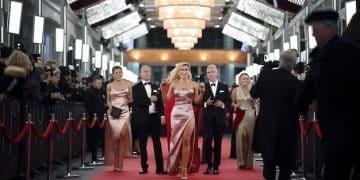
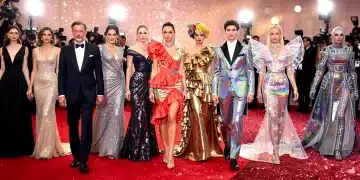
With the dress code “Fashion is Art,” the May 4 gala saw the red carpet transformed into a gallery of living sculptures, where co-chairs Beyoncé, Nicole Kidman, and Venus Williams led a global conversation on the body as an embodied masterpiece.
Anticipating the 2026 Met Gala Theme: A Look at Historical Precedents
The Met Gala theme is always a closely guarded secret, but historical patterns often reveal clues about potential directions.
The Costume Institute’s exhibitions typically inform the theme, providing a rich tapestry of historical and cultural references for designers and attendees to explore.
This anticipatory process is crucial for those looking to understand the upcoming event’s aesthetic.
Past themes have ranged from specific designers like Rei Kawakubo to broader concepts such as ‘Heavenly Bodies: Fashion and the Catholic Imagination,’ each yielding unforgettable red carpet moments.
The 2026 Met Gala will undoubtedly continue this tradition, pushing creative boundaries while honoring fashion’s intricate relationship with history. The careful selection of a theme ensures that each gala is a unique artistic statement.
Speculation is already rife regarding the 2026 focus, with many experts examining recent cultural shifts and historical anniversaries for hints.
The Met Gala consistently seeks to provoke thought, challenge conventions, and celebrate the transformative power of fashion as an art form. This blend of historical reverence and avant-garde interpretation makes the event a global spectacle.
The Resurgence of Rococo Grandeur: Opulence Reimagined
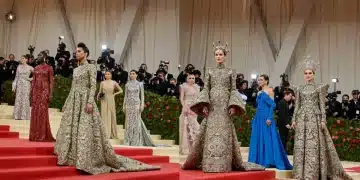
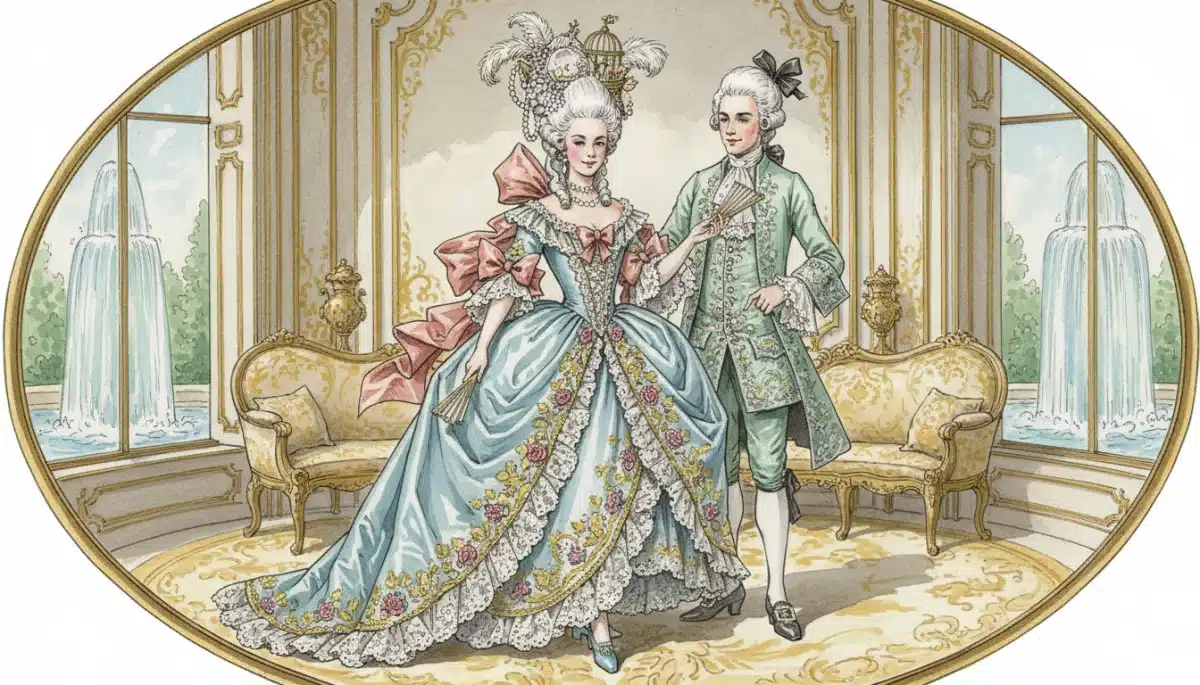
One of the strongest contenders for a major influence on the 2026 Met Gala is the opulent aesthetic of the Rococo period.
Characterized by its extravagance, intricate detailing, and playful asymmetry, Rococo fashion emerged in 18th-century France as a reaction to the more formal Baroque style.
This era celebrated lightness, ornamentation, and a sense of theatricality, elements that resonate strongly with contemporary high fashion.
The historical impact of Rococo is undeniable, influencing art, architecture, and fashion for decades. Its emphasis on pastel colors, floral motifs, elaborate embroidery, and dramatic silhouettes offers a rich palette for modern designers.
Reinterpreting Rococo for the 2026 Met Gala would involve a delicate balance of historical accuracy and contemporary flair, moving beyond mere costume to create truly innovative pieces.
This style provides ample opportunity for dramatic fashion statements.
For attendees, embracing Rococo could mean voluminous gowns, intricate corsetry, delicate lace, and perhaps even a nod to powdered wigs or elaborate coiffures.
The challenge lies in translating this historical grandeur into something fresh and relevant for the 21st century, ensuring that the garments are both visually stunning and conceptually engaging.
This inspiration could lead to some of the most memorable looks of the 2026 Met Gala, showcasing a blend of historical depth and modern vision.
Key Elements of Rococo Influence
- Pastel Palettes: Soft blues, pinks, greens, and yellows would dominate, offering a romantic and ethereal feel.
- Intricate Embellishments: Delicate embroidery, lace overlays, and pearl accents would add texture and luxury.
- Voluminous Silhouettes: Crinolines, panniers, and cascading ruffles would create dramatic, wide forms.
- Asymmetrical Designs: A departure from rigid symmetry, embracing organic curves and playful arrangements.
Art Deco Elegance: Geometric Sophistication
Another powerful historical influence that could shape the 2026 Met Gala is the sleek sophistication of Art Deco.
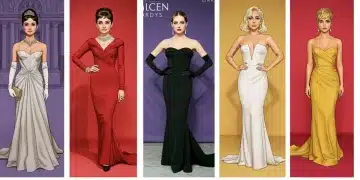
Originating in the 1920s and flourishing through the 1930s, Art Deco fashion is defined by its geometric patterns, streamlined silhouettes, and luxurious materials.
This style represents an era of modernity, technological advancement, and a new sense of freedom, particularly for women, making it a compelling choice for contemporary interpretation.
The historical impact of Art Deco is deeply intertwined with the Jazz Age and the rise of Hollywood glamour.
Its characteristic motifs, such as sunbursts, zigzags, and stepped forms, could be integrated into garment design, jewelry, and accessories.
The emphasis on clean lines, metallic fabrics, and elaborate beadwork offers a distinctly different, yet equally impactful, aesthetic compared to Rococo. This inspiration embodies a refined elegance that remains timeless.
Designers drawing from Art Deco for the 2026 Met Gala might focus on flapper-inspired dresses, bias cuts, and intricate beading that shimmers with movement.
The challenge would be to evoke the period’s glamour without falling into cliché, instead offering a fresh, modern take on its iconic elements.
This could result in visually striking, sophisticated looks that highlight precision and craftsmanship, further enriching the tapestry of the 2026 Met Gala Style.
Art Deco’s Enduring Appeal
- Streamlined Silhouettes: Dropped waists, straight cuts, and bias-cut gowns that flatter the body.
- Geometric Motifs: Bold patterns, chevrons, and abstract designs incorporated into fabric and embellishments.
- Luxurious Materials: Silk, satin, velvet, and lamé, often adorned with beads, sequins, and fringe.
- Metallic Accents: Gold, silver, and bronze tones used in fabrics, embroidery, and accessories.
Futuristic Avant-Garde: Beyond the Present
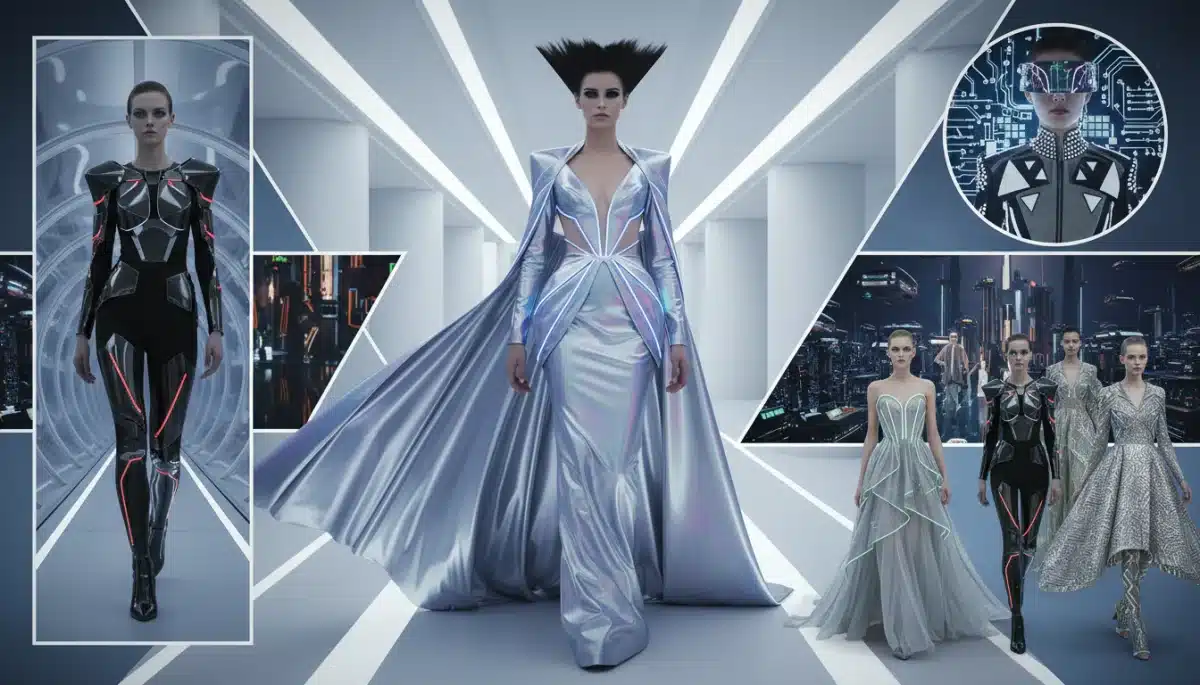
Beyond historical periods, the 2026 Met Gala might also embrace a theme focused on futuristic or avant-garde fashion.
This inspiration would allow designers to push the boundaries of conventional clothing, exploring innovative materials, technologies, and conceptual designs.
Such a theme would celebrate forward-thinking creativity and challenge perceptions of what fashion can be, moving past traditional silhouettes into experimental territories.
The historical impact of futurism in fashion can be traced back to movements like the Space Age aesthetics of the 1960s, with designers like André Courrèges and Paco Rabanne leading the way.
Today, this translates into advanced textiles, 3D printing, LED integration, and a focus on sustainability through innovative means.
A futuristic theme for the 2026 Met Gala would invite bold, experimental pieces that comment on technology, environment, and the human form. This direction offers limitless creative potential.
Attendees might appear in garments made from unconventional materials, featuring architectural structures, digital prints, or interactive elements.
The focus would be on innovation and pushing the envelope, creating looks that feel both alien and aspirational. This approach to Decoding the Met Gala.
would undoubtedly produce some of the most talked-about and visually stunning ensembles, solidifying the event’s reputation as a platform for cutting-edge design.
Elements of Futuristic Fashion
- Innovative Materials: Recycled plastics, metallic fabrics, smart textiles, and transparent materials.
- Architectural Silhouettes: Structured forms, sharp angles, and gravity-defying designs.
- Technological Integration: LED lights, embedded sensors, and interactive elements within garments.
- Minimalist yet Bold: Clean lines combined with dramatic, sculptural shapes and unexpected details.
The Enduring Influence of Historical Costume on Modern Red Carpet
The relationship between historical costume and modern red carpet fashion is symbiotic, with each influencing the other in a continuous dialogue.
The Met Gala serves as a premier stage for this interaction, where designers reinterpret past eras through a contemporary lens.
This process is not merely about replication but about transformation, reimagining historical aesthetics for a new generation and context. The 2026 Met Gala will be no exception, showcasing this dynamic interplay.
Designers often delve into archives, studying silhouettes, fabrication techniques, and cultural contexts to inform their creations.
This research allows them to extract the essence of a historical period and infuse it with modern sensibilities, resulting in garments that are both reverent and revolutionary.
The careful balance between homage and innovation is what makes Met Gala fashion so compelling. This approach ensures that each look tells a story, contributing to the broader narrative of the 2026 Met Gala Style.
The impact of these reinterpretations extends beyond the red carpet, influencing mainstream fashion trends and inspiring future collections.
When a historical theme is successfully executed at the Met Gala, it can spark a resurgence of interest in that particular era, leading to broader cultural conversations about fashion’s enduring legacy.
The 2026 Met Gala will undoubtedly contribute significantly to this ongoing cultural exchange, demonstrating the timeless appeal of historical inspirations.
The Role of Celebrity Interpretation in Shaping Trends
Celebrities play a crucial role in bringing the Met Gala theme to life, acting as muses and collaborators for designers.
Their interpretations often dictate how a theme is perceived and absorbed by the wider public, influencing subsequent trends and public discourse.
The synergy between a celebrity’s persona and a designer’s vision is paramount to creating a memorable and impactful red carpet look. This relationship is central to the event’s allure.
For the 2026 Met Gala, how celebrities choose to interpret the chosen style inspirations will be as important as the designs themselves.
Their ability to embody the spirit of Rococo, Art Deco, or futuristic avant-garde, while still maintaining their individual style, is a testament to their influence.
These interpretations are not just about wearing a dress; they are about embodying a narrative, performing a character, and making a statement. This dynamic interaction elevates the event beyond a mere fashion show.
The media frenzy surrounding celebrity arrivals further amplifies the impact of their fashion choices, disseminating images and analyses globally.
This exposure helps to solidify trends and introduce new concepts to a mass audience, shaping popular culture and influencing consumer behavior.
The 2026 Met Gala will once again highlight the power of celebrity in driving fashion conversations and influencing stylistic directions, making the event a global cultural touchstone. Their choices will be key to Met Gala. for the public.
The Social and Cultural Resonance of Met Gala Fashion
Beyond its aesthetic appeal, Met Gala fashion often carries significant social and cultural resonance, reflecting and commenting on current societal values and artistic movements.
Each year, the chosen theme and its interpretations become a canvas for cultural commentary, sparking discussions about identity, representation, and the evolving role of fashion in society.
This deeper layer of meaning is what elevates the Met Gala from a mere celebrity event to a significant cultural phenomenon.
The 2026 Met Gala, regardless of its specific theme, will undoubtedly continue this tradition of cultural dialogue.
Whether through a reimagining of historical opulence, a celebration of modern design, or an exploration of future possibilities, the garments on display will tell stories that extend beyond mere fabric and embellishment.
These narratives often challenge conventional norms, celebrate diversity, and offer new perspectives on fashion’s capacity for artistic expression. This makes the event a powerful mirror to contemporary culture.
The impact of these cultural statements can be far-reaching, influencing not only the fashion industry but also broader societal conversations.
The Met Gala has a unique ability to bring high art and popular culture together, making complex themes accessible and engaging to a global audience.
The 2026 Met Gala Style will inevitably contribute to this ongoing cultural conversation, solidifying its place as a pivotal moment for both fashion and society.
Sustainable Fashion and the 2026 Met Gala
As the fashion industry increasingly grapples with issues of sustainability, the 2026 Met Gala presents a critical opportunity to showcase ethical and environmentally conscious design.
While the event is synonymous with extravagance, there is a growing expectation for designers and attendees to integrate sustainable practices into their creations.
This shift reflects a broader industry movement towards responsible production and consumption, even in high fashion contexts.
Incorporating sustainability into a Met Gala theme, whether it’s Rococo, Art Deco, or futuristic, offers unique challenges and creative solutions.
Designers might utilize upcycled materials, innovative eco-friendly fabrics, or employ traditional craftsmanship that minimizes waste.
The historical impact of fashion often includes periods of resourcefulness, which can be reinterpreted for modern sustainable practices.
This integration would demonstrate that glamour and responsibility are not mutually exclusive, enhancing the narrative of the 2026 Met Gala Style.
Celebrities choosing sustainable outfits on the red carpet can significantly amplify this message, leveraging their platforms to advocate for conscious fashion.
Such choices not only align with ethical values but also inspire consumers and other industry players to consider their environmental footprint.
The 2026 Met Gala has the potential to set new benchmarks for sustainable luxury, proving that high fashion can indeed be both breathtaking and responsible, furthering the conversation around ethical aesthetics.
| Key Aspect | Brief Description |
|---|---|
| Rococo Grandeur | Opulent 18th-century French style, emphasizing extravagance, intricate details, and playful asymmetry. |
| Art Deco Elegance | Sleek 1920s-1930s aesthetic, characterized by geometric patterns, streamlined silhouettes, and luxurious materials. |
| Futuristic Avant-Garde | Experimental designs pushing boundaries with innovative materials, technologies, and conceptual forms. |
| Historical Impact | Each style’s enduring influence on fashion, art, and cultural movements, reinterpreted for modern contexts. |
Frequently Asked Questions About the 2026 Met Gala Style
The primary style inspirations anticipated for the 2026 Met Gala include Rococo Grandeur, Art Deco Elegance, and Futuristic Avant-Garde. These themes offer rich historical and conceptual frameworks for designers to explore, promising a diverse and visually stunning red carpet experience. Each inspiration brings unique elements to the forefront, influencing silhouettes and embellishments.
Rococo Grandeur influences modern fashion through its emphasis on opulent fabrics, intricate detailing, and voluminous silhouettes. Designers often draw from its pastel palettes and playful asymmetry to create contemporary pieces that evoke historical extravagance while remaining fresh and relevant. This style provides a foundation for dramatic and romantic red carpet looks, making it a strong contender for the 2026 Met Gala Style.
Art Deco Elegance for the Met Gala is defined by sleek, streamlined silhouettes, bold geometric patterns, and luxurious materials like metallics and intricate beadwork. It represents the glamour and modernity of the 1920s and 30s. This inspiration allows for sophisticated, yet striking, interpretations, highlighting precision and refined craftsmanship, which will be central to Decoding the 2026 Met Gala: 3 Key Style Inspirations and Their Historical Impact.
Futuristic Avant-Garde at the gala could be interpreted through innovative materials, architectural designs, and technological integration, such as LED elements or 3D-printed fabrics. It encourages designers to push boundaries, creating experimental and conceptual looks that challenge traditional norms. This direction promises to deliver some of the most visually daring and thought-provoking ensembles for the 2026 Met Gala Style.
Historical impact is crucial for the Met Gala as it provides a rich foundation for thematic exploration and artistic reinterpretation. Understanding historical context allows designers to create garments that are not only beautiful but also culturally significant, reflecting fashion’s ongoing dialogue with the past. This depth enriches the entire event, making it a significant cultural moment for Decoding the 2026 Met Gala: 3 Key Style Inspirations and Their Historical Impact.
Looking Ahead: The Evolving Narrative of Met Gala Fashion
The 2026 Met Gala stands as a testament to fashion’s continuous evolution, driven by a dialogue between historical influences and contemporary innovation.
The themes of Costume Art offer unique opportunities for designers and celebrities to craft memorable statements that treat the body as an embodied art form.
The event will undoubtedly continue to shape global fashion narratives, influencing trends and sparking cultural conversations far beyond the red carpet.
Observing how these inspirations are brought to life is key to understanding the future trajectory of high fashion and the enduring allure of the Met Gala.
The 2026 Met Gala Style revealed new directions and reaffirmed fashion’s power as a cultural force that bridges the gap between the museum and the street.
To see the full visual history of this year’s most daring looks and red carpet arrivals, you can browse the official archive at the Vogue Met Gala portal